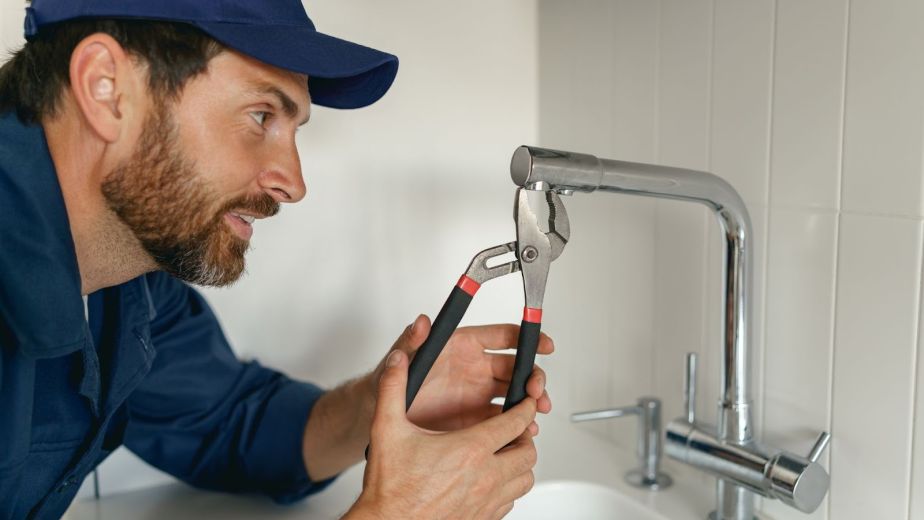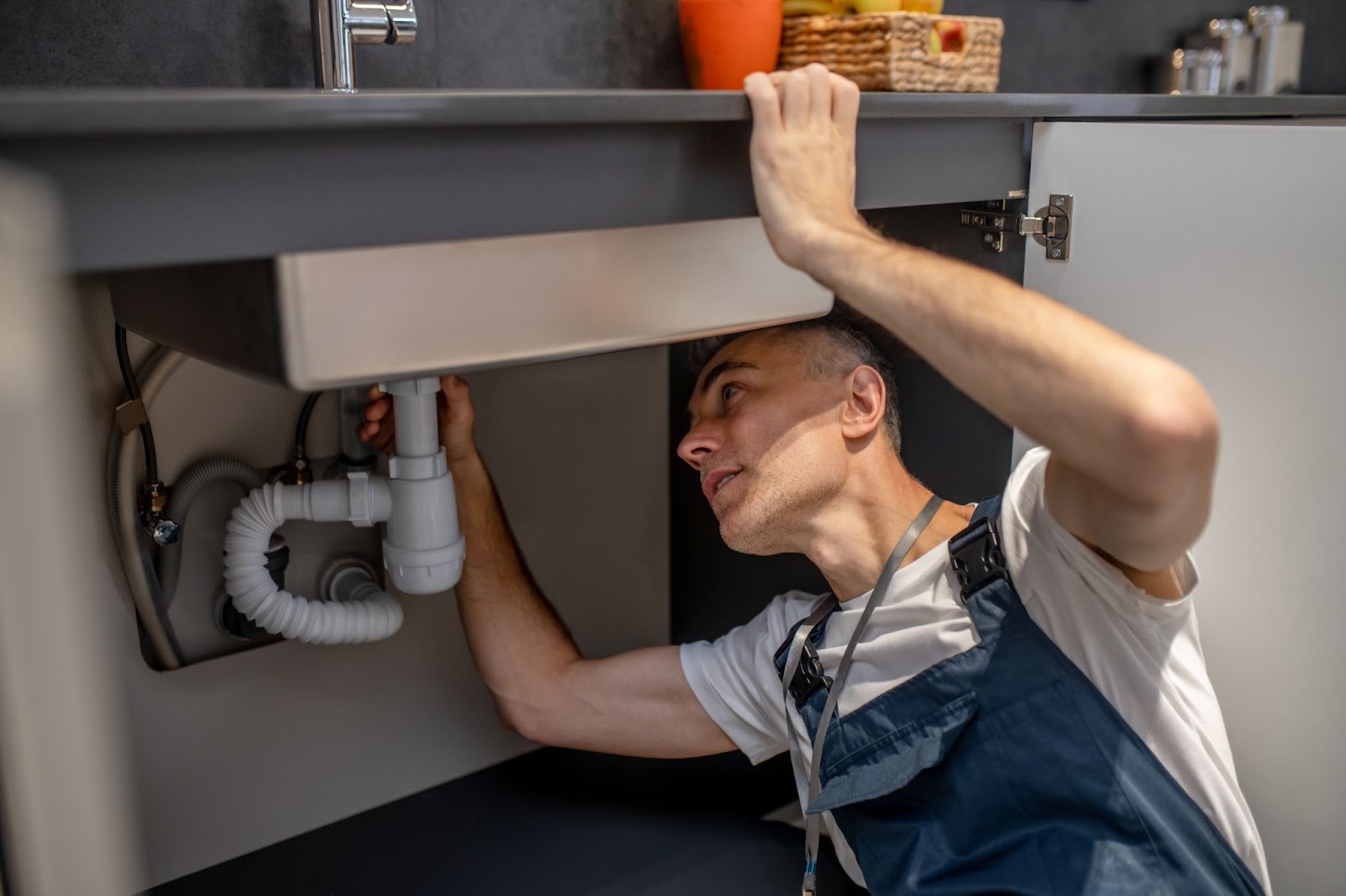
Homeownership often feels predictable until a plumbing issue interrupts daily life. A leaking pipe or backed-up drain raises immediate concerns about disruption and expense. Many homeowners feel unsure about what local plumbing services should cost and why prices differ so widely. That uncertainty can delay decisions or lead to rushed approvals. Precise knowledge of plumbing costs helps homeowners respond with confidence rather than stress.
Why Local Plumbing Costs Feel Unpredictable
Local plumbing costs feel unpredictable because each home presents unique conditions. Plumbing systems age differently, and past repairs influence present problems. Homeowners usually notice symptoms without seeing underlying causes. This disconnect often explains why estimates change after inspection.
How Home Age and Design Affect Pricing
Plumbing systems vary based on the construction era and layout. Older homes may contain corroded pipes or nonstandard fittings. These conditions slow repairs and increase labor time. Newer homes can still pose challenges due to poor installation. Plumbers must adapt their approach to each structure. That adaptation directly influences service pricing.
Why Visible Symptoms Mislead Cost Expectations
Surface issues rarely represent the full scope of a problem. A slow drain may indicate a buildup deep in the system. Water stains often point to pressure issues behind walls. Diagnostic tools help identify the actual source. This diagnostic phase requires time and experience. Pricing reflects both discovery and repair.
Core Factors That Shape Plumbing Service Pricing
Plumbing service pricing reflects labor, materials, and operating costs. Each service call includes preparation, diagnosis, and verification. Safety standards and code compliance also affect pricing. These combined elements determine the final invoice.
Labor Time and Professional Skill Levels
Plumbing labor includes inspection, repair, and testing. Complex jobs require advanced training and licensing. Experienced plumbers often work efficiently but charge higher rates. That expertise reduces recurring problems. Labor pricing reflects accountability as much as effort. Skilled work protects homeowners from future failures.
Repair Complexity and System Accessibility
Simple repairs require basic tools and minimal access. Complex issues demand specialized equipment and extended labor. Slab foundations or tight crawl spaces slow progress. Pipe material also affects repair methods. These technical barriers increase service time. Complexity often outweighs visible damage.
Material Quality and Replacement Decisions
Plumbing materials range from standard to specialized components. Higher-quality parts last longer and perform better. Availability can influence pricing during shortages. Plumbers recommend materials based on durability and compatibility. This recommendation balances cost and reliability. Material choices affect long-term outcomes.
Business Overhead and Compliance Costs
Plumbing companies incur operational expenses beyond labor costs. Vehicles, insurance, tools, and training add ongoing costs. Licensing and certification require renewal. Office staff support scheduling and communication. These costs support reliable service delivery. Overhead appears within service pricing.
How Location Affects Local Plumbing Service Rates
Geographic location plays a steady role in plumbing costs. Labor markets and regulations differ by region. Travel time and demand influence availability. These local factors shape pricing structures.
Urban Density and Service Accessibility
Urban plumbing services often cost more. Traffic and parking increase job duration. Dense construction limits system access. These factors slow down repairs. Suburban services may involve longer travel distances. Pricing reflects logistical realities.
Regional Regulations and Permit Fees
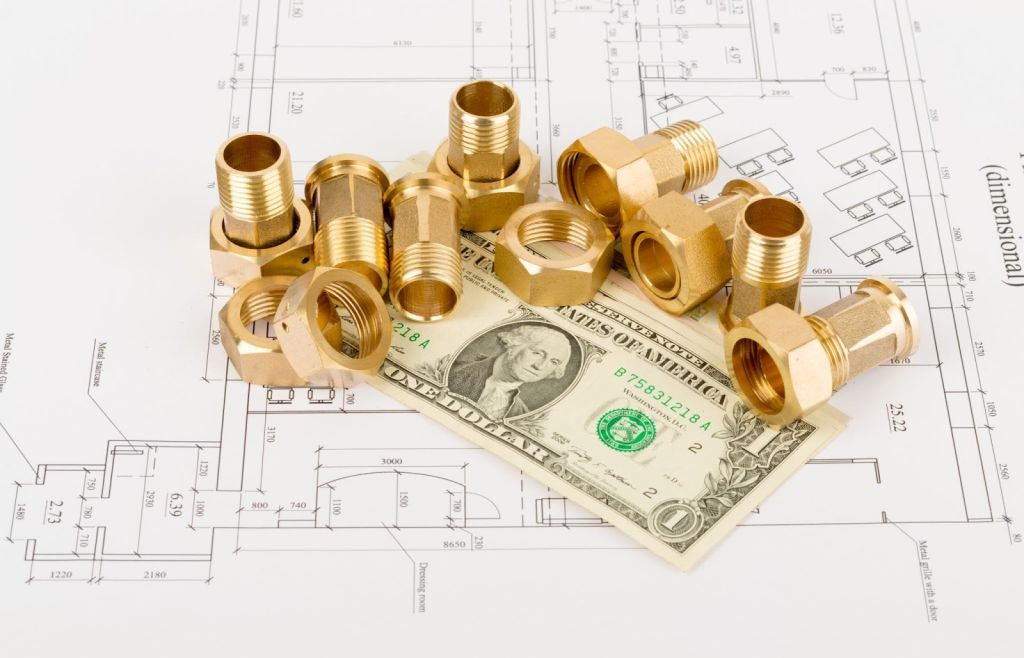
Many plumbing jobs require permits and inspections. Municipal rules vary widely. Compliance protects homeowners from violations. Permit processing adds administrative time. These costs appear in estimates. Local regulations affect final pricing.
Common Local Plumbing Services and Costs
Standard local plumbing services cover recurring household needs, each with a general cost range that homeowners should understand. These price ranges reflect typical residential work, not fixed rates. Actual costs vary based on location, system condition, urgency, and accessibility. Estimates may change after inspection, especially if hidden issues are discovered.
Drain Cleaning and Blockage Removal Costs
Drain cleaning typically ranges from $100 to $400 for standard residential lines. Simple sink or tub clogs fall on the lower end of that range. Deeper or recurring blockages often require camera inspections or hydro jetting. Those advanced methods can raise costs to $500 or more. Pricing varies based on drain location and severity. These figures remain subject to change after evaluation.
Leak Detection and Pipe Repair Pricing
Leak detection services usually range from $150 to $600, depending on complexity. Visible leaks cost less to locate and repair. Hidden leaks behind walls or slabs require specialized tools. Pipe repairs can add $200 to $1,500 or more. Material type and access significantly influence pricing. Final costs depend on the inspection’s findings.
Fixture Repair and Replacement Expenses
Fixture repairs often cost between $100 and $350 for labor and parts. Faucet or toilet replacements typically range from $250 to $800. Higher-end fixtures increase both material and installation costs. Plumbing modifications may add additional charges. Older homes sometimes require extra adjustments. These prices vary by fixture type and condition.
Water Heater Service and Replacement Costs
Water heater repairs commonly range from $200 to $900. Replacement costs typically range from $1,000 to $3,500. Tankless systems usually cost more than traditional units. Installation complexity affects labor pricing. Disposal and code upgrades may add fees. These costs vary based on system size and efficiency.
Emergency Plumbing Services and Cost Pressure
Emergency plumbing services address urgent failures. These situations disrupt regular scheduling. Pricing reflects readiness and response speed. Availability becomes critical.
After-Hours and Weekend Service Rates
After-hours service requires on-call staffing. Night availability increases labor costs. Technicians respond outside regular schedules. Equipment readiness supports fast action. These demands raise service rates, but homeowners gain timely assistance.
Flooding and Immediate Damage Control
Flooding requires rapid intervention. Plumbers stop the water flow first. This temporary solution stabilizes conditions. Permanent repairs follow later. Coordination with restoration teams may occur. Speed limits further damage.
Safety Risks During Emergency Repairs
Emergency repairs often involve hazards. Electrical exposure and structural instability increase risk—safety protocols slow work pace. Protective equipment adds cost. Risk management remains essential. Pricing reflects these conditions.
Understanding Plumbing Estimates and Billing
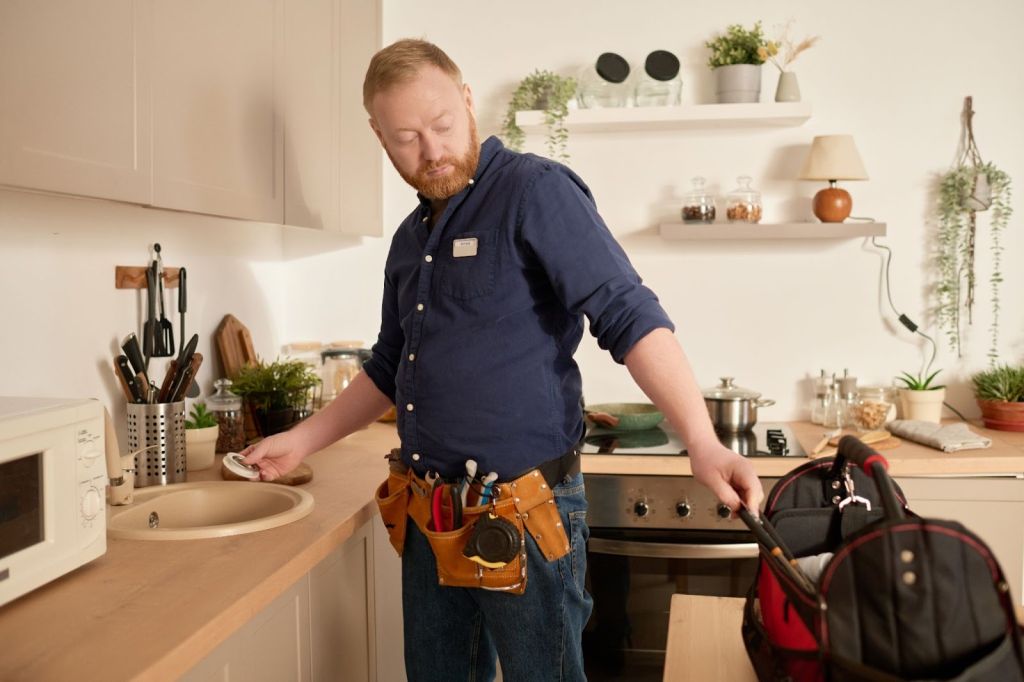
Clear and precise estimates help homeowners make confident decisions about plumbing work. When pricing details are transparent, trust develops between the homeowner and the service provider. Billing approaches can differ depending on the scope and complexity of the job. Understanding how those methods work reduces confusion and sets accurate expectations from the start.
Written Estimates and Scope Definitions
Written estimates outline labor and materials. A clear scope prevents disputes. Allowances cover unforeseen issues. Exclusions require review. Communication improves alignment. Documentation protects both sides.
Flat-Rate Versus Hourly Pricing
Flat-rate pricing offers predictability. Hourly pricing reflects actual labor. Simple jobs suit flat rates. Complex work favors hourly models. Each approach fits different needs. Understanding both helps comparison.
Change Orders and Cost Adjustments
Unexpected issues sometimes arise—change orders document revised scope. Approval occurs before proceeding. Transparency prevents billing surprises. Professional plumbers explain reasons clearly. Adjustments protect project integrity.
How Plumbing Costs Impact Insurance and Home Value
Plumbing expenses affect more than immediate repair bills. Insurers, buyers, and inspectors often evaluate plumbing history when assessing risk. Poor-quality repairs can create future liabilities that exceed original costs. Understanding this connection helps homeowners make more intelligent pricing decisions.
Plumbing Repairs and Home Insurance Claims
Insurance providers review plumbing repairs closely after water damage claims. Inadequate repairs increase the likelihood of claim denial or reduced coverage. Documentation from licensed plumbers supports claim approval. Repeated low-cost fixes may signal ongoing risk to insurers. That risk can raise premiums or trigger exclusions. Proper repairs protect both coverage and claim outcomes.
Plumbing Work During Home Inspections
Home inspectors assess visible plumbing repairs during evaluations. Improper installations raise red flags for buyers. Inspection reports often note outdated or questionable plumbing work. These findings influence negotiations and repair requests. Buyers may demand price reductions or corrective work. Quality plumbing repairs protect transaction value.
Long-Term Liability From Incomplete Repairs
Temporary fixes often only postpone, rather than solve, plumbing problems. Recurring leaks cause structural damage over time. Mold growth creates health and legal concerns. Future buyers may uncover unresolved issues. Liability exposure increases when known problems persist. Thorough repairs reduce long-term financial risk.
Managing Plumbing Costs Over Time
Homeowners can influence plumbing expenses through thoughtful planning and informed choices. Preventive care reduces disruptions by addressing minor issues before they escalate. Consistent maintenance helps protect plumbing systems from unnecessary wear and tear. Cost management improves when homeowners remain aware of how daily habits and upkeep affect long-term performance.
Preventive Maintenance and Inspections
Routine inspections identify wear early. Minor fixes cost less. Maintenance extends system lifespan. Plumbers identify weak points. Scheduled care reduces breakdowns. Expenses are spread more evenly.
Water Usage Habits and System Stress
Water pressure affects pipe longevity. Improper flushing causes clogs. Small leaks increase strain. Monitoring usage reveals problems. Responsible habits protect systems. Prevention starts daily.
Choosing a Trusted Local Plumber
Licensed plumbers follow regulations. Experience improves accuracy. Clear communication builds confidence. Documentation supports accountability. Long-term relationships enhance the quality of service. Trust grows over time.
How Plumbing Prices Reflect Risk and Accountability
Plumbing prices often account for responsibility beyond the repair itself—licensed plumbers price work based on potential failure, not just labor time. When something goes wrong, accountability determines who absorbs the cost. Understanding this dynamic helps homeowners interpret estimates more accurately.
Warranty Coverage Built Into Service Pricing
Many plumbing services include craftsmanship warranties. These warranties cover callbacks if repairs fail—the cost of honoring those warranties factors into pricing. Lower estimates may exclude warranty protection entirely. Homeowners then absorb repair risks themselves. Warranty-backed work shifts responsibility away from the homeowner.
Liability Exposure and Property Protection
Plumbing failures can cause extensive property damage. Licensed plumbers carry insurance to cover accidental losses. Insurance premiums contribute to service pricing. Uninsured or underinsured work exposes homeowners to repair liability. That liability includes flooring, walls, and personal property. Proper coverage reduces financial exposure.
Why Experienced Plumbers Price Conservatively
Experienced plumbers account for worst-case outcomes. Hidden corrosion or pressure issues can worsen during repairs. Conservative pricing allows for safe, thorough solutions. Cheaper pricing often assumes ideal conditions. When conditions differ, homeowners face added costs. Experience-based pricing reflects accountability rather than overcharging.
Rely on Proven Local Plumbing Services for Lasting Value
Plumbing decisions shape more than immediate comfort; they influence long-term repair costs, insurance outcomes, and property value. Homeowners who recognize what pricing truly represents avoid quick fixes that quietly create future liabilities. Proven local plumbing services reflect accountability, experience, and a commitment to doing the work correctly the first time. When choices are guided by understanding rather than pressure, every repair becomes a deliberate step toward protecting the home and everything inside it.
Explore practical insights and expert guidance for homeowners on the Behan Builders blog.