Morning bottlenecks, limited privacy, and growing households often push homeowners to consider adding another bathroom. What begins as a lifestyle improvement quickly becomes a financial question that demands clear answers. Many homeowners hesitate because pricing details feel fragmented or unreliable. Costs vary widely depending on design, location, and construction demands, which adds to the confusion. A clear understanding of the cost to add a bathroom provides practical direction and informed planning, replacing uncertainty.
What Shapes the Cost to Add a Bathroom Addition
The cost to add a bathroom includes every expense required to create a functional new bathroom. That total includes design work, construction labor, materials, permits, and connections to existing plumbing and electrical systems. Pricing does not follow a single formula because homes differ in layout, age, and infrastructure. These differences explain why estimates can vary so widely between properties.
Why Bathroom Addition Costs Vary So Widely
Bathroom addition costs vary because construction conditions change from one home to another. Plumbing access often accounts for the most considerable cost difference, since long pipe runs increase labor and material costs. Structural changes, such as reinforcing floors or modifying framing, also influence the budget. Material selections further expand price ranges, especially when homeowners choose upgraded finishes. Regional labor rates add another layer of variation. Industry cost data consistently shows that site conditions drive pricing more than square footage alone.
Bathroom Addition Types and Price Differences
Bathroom additions fall into several categories, each serving a different purpose within the home. Size, fixture count, and usage patterns determine which option fits best. These factors directly shape material needs and labor demands. Understanding these differences helps homeowners align expectations with realistic budgets.
Half Bathroom Addition Cost Overview
A half bathroom contains a toilet and a sink, but no bathing fixtures. This minor scope limits plumbing requirements and reduces material use. Costs stay lower when the bathroom sits near existing water and drain lines. These compact additions often fit into hallways, entry areas, or unused corners. Permit and inspection requirements still apply despite the reduced size. Homeowners frequently choose this option to improve convenience without extensive remodeling.
Full Bathroom Addition Cost Expectations
A full bathroom includes a toilet, sink, and either a shower or a bathtub. This layout increases plumbing complexity and requires waterproofing throughout the space. Ventilation systems become necessary to control moisture and protect finishes. Tile work and fixture quality strongly influence the final price. These bathrooms are often used daily by guests or family members. Budget planning typically reflects a moderate investment compared to minor additions.
Primary Bathroom Addition Cost Factors
Primary bathroom additions focus on private, everyday use and comfort. Larger layouts increase both material quantities and labor time. Custom showers, vanities, and storage features raise installation complexity. These projects often take longer to complete due to the need for design customization. Homeowners usually prioritize functionality and comfort over minimizing costs. Long-term usability frequently guides spending decisions in these spaces.
Location Impact on Bathroom Addition Costs
Bathroom placement plays a central role in determining construction costs. Locations closer to existing utilities reduce the need for extensive modifications. Structural constraints also influence feasibility and pricing. Strategic placement supports more predictable budgeting.
Adding a Bathroom Near Existing Plumbing
Bathrooms located near existing plumbing lines typically cost less to install. Water supply and drainage connect more efficiently, reducing labor hours. Limited wall and floor demolition further controls expenses. These setups often simplify inspection requirements as well. Remodeling contractors frequently recommend this approach when layout options allow. Cost efficiency makes this placement a common starting point.
Basement Bathroom Addition Cost Factors
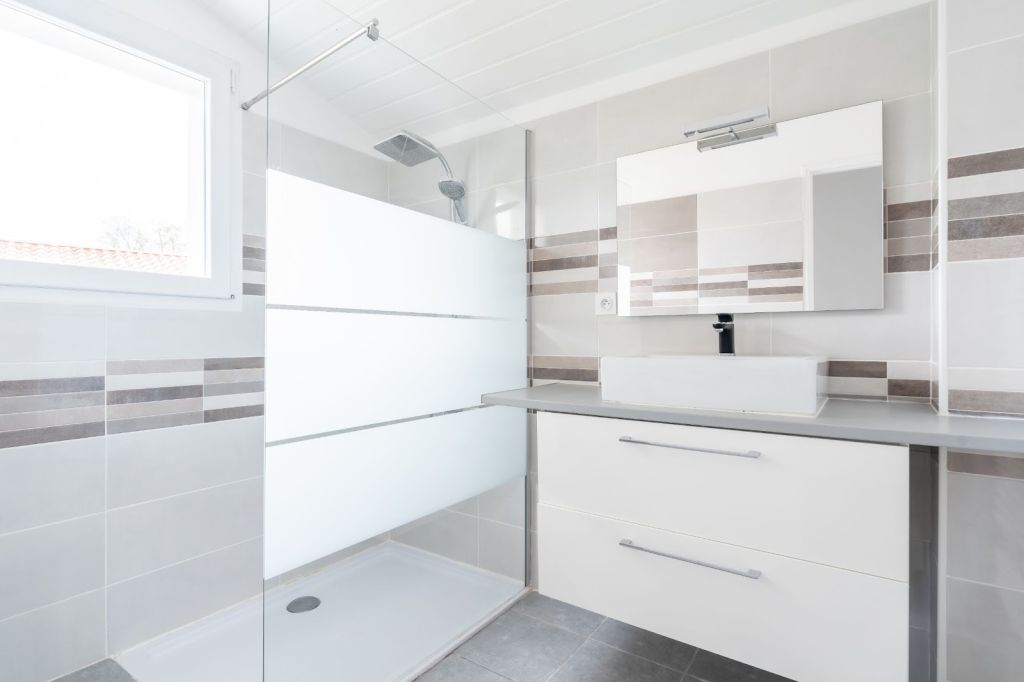
Basement bathrooms increase usable living space but present unique challenges. Plumbing often requires pumps or specialized drainage systems. Moisture control becomes critical to protect finishes and air quality. Cutting concrete floors adds labor time and equipment costs. Ventilation solutions may require creative routing. Finished basements generally support higher project budgets.
Second-Floor Bathroom Addition Costs
Second-floor bathroom additions improve access near bedrooms. Structural reinforcement may become necessary to support added weight. Vertical plumbing runs increase installation time and labor costs. Water protection measures reduce the risk of leaks below. Sound control also matters for household comfort. These projects benefit from contractors with multi-level experience.
Plumbing and Electrical Cost Considerations
Plumbing and electrical systems form the foundation of any bathroom addition. Both systems must meet current building codes to pass inspections. Older homes often require system upgrades before installation begins. Proper planning reduces future repair risks.
Water Supply and Drain Line Extensions
Water supply lines must handle increased demand without pressure loss. Drain lines require proper slope and venting for reliable performance. Longer distances between fixtures and main lines increase labor time. Accessing walls and floors drives demolition and repair costs. Poor planning leads to drainage or odor issues later. Licensed plumbers manage these technical requirements.
Electrical Work and Safety Requirements
Bathrooms require dedicated circuits for outlets and lighting. Fixture placement affects wiring complexity and labor time. Older electrical panels may need upgrades to support new loads. Ground fault outlets protect users from shock hazards. Ventilation fans require proper electrical connections. Safe wiring supports both comfort and long-term reliability.
Risk Factors That Influence Bathroom Addition Costs
Every bathroom project carries inherent risk. Some risks remain invisible during planning. Structural unknowns and outdated systems create cost exposure. Recognizing these risks supports better preparation.
Older Homes and Hidden Infrastructure Issues
Older homes often conceal outdated plumbing or wiring. Opening walls reveals unexpected repairs. Code upgrades become mandatory once work begins. These discoveries increase labor and material costs. Inspections uncover compliance gaps. Contingency planning reduces stress.
Permitting Delays and Inspection Bottlenecks
Permit approvals do not always follow predictable timelines. Inspector availability affects project flow. Failed inspections require corrections. Delays extend labor schedules. Extended timelines increase costs. Early permit submission reduces disruption.
Materials and Fixtures Affecting Final Cost
Material and fixture choices shape both appearance and durability. Homeowners balance design preferences with budget constraints. Quality selections reduce maintenance over time. Each choice influences the final investment.
Flooring and Wall Material Choices
Tile remains popular due to water resistance and durability. Vinyl flooring offers cost savings with reliable performance. Natural stone increases material and installation costs. Wall finishes affect moisture protection and longevity. Installation complexity varies by material type. Maintenance requirements differ across options.
Bathroom Fixture Pricing Differences
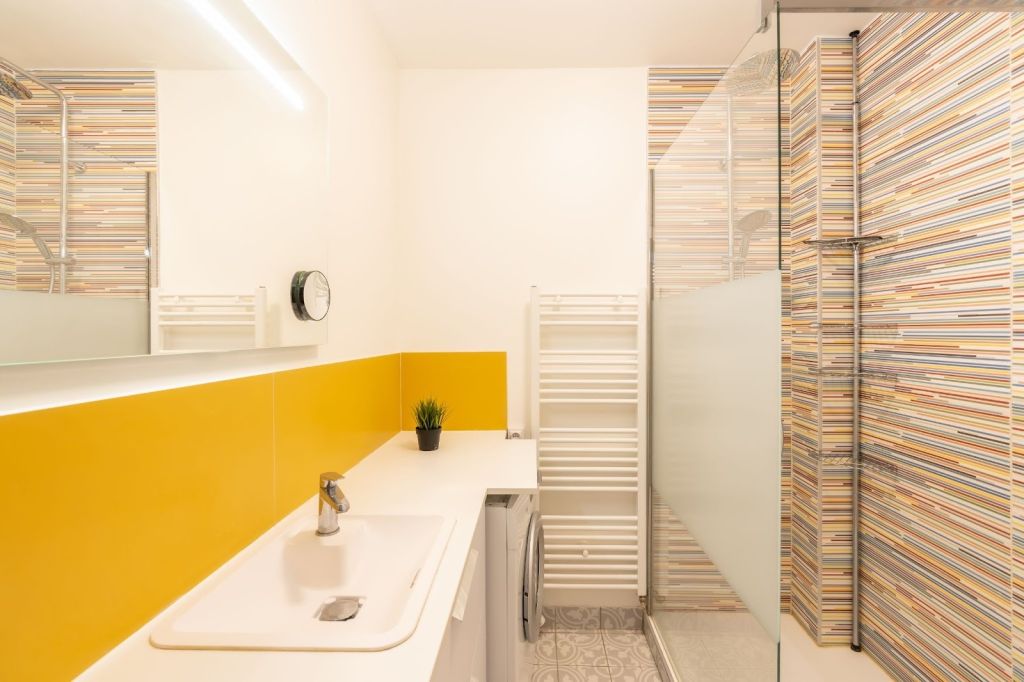
Toilets range from basic models to advanced designs with added features. Sink styles influence cabinetry and plumbing needs. Showers and tubs affect space planning and water use. Brand reputation often reflects durability and warranty coverage. Water-efficient fixtures reduce utility costs over time. Fixture selection impacts daily comfort and convenience.
Labor, Permits, and Professional Fees
Labor represents a substantial portion of bathroom addition costs. Skilled trades ensure proper installation and compliance. Permits protect homeowners from legal complications. Coordination between professionals affects timelines.
Contractor Labor Cost Breakdown
General contractors oversee scheduling and coordination. Plumbers and electricians handle specialized installations. Labor rates vary based on location and demand. Longer project timelines increase overall costs. Clear schedules reduce delays and confusion. Experienced professionals improve construction outcomes.
Permit and Inspection Expenses
Local authorities require permits for bathroom additions. Fees depend on project size and scope. Inspections verify compliance with building codes. Delays increase labor expenses and timelines. Missing permits create legal and resale issues. Proper documentation prevents future complications.
Design Choices That Influence Bathroom Costs
Design decisions affect both function and expense throughout the project. Efficient layouts reduce wasted space and materials. Custom features increase labor requirements. Thoughtful planning improves long-term satisfaction.
Layout Efficiency and Space Planning
Compact layouts control construction costs without sacrificing usability. Efficient plumbing placement reduces labor time. Storage planning improves organization and flow. Traffic patterns influence comfort and accessibility. Accessibility considerations support future needs. Smart layouts balance cost and performance.
Custom Versus Standard Bathroom Designs
Custom designs allow tailored features and finishes. Standard layouts simplify construction and pricing. Custom work requires additional planning and labor. Material waste often increases with customization. Standard designs offer predictable budgets. Choice depends on homeowner priorities.
Managing the Cost to Add a Bathroom Addition
Cost management begins with informed preparation. Precise budgeting reduces stress throughout construction. Professional guidance supports better decisions. Planning minimizes financial surprises.
Setting a Realistic Bathroom Budget
Budgets should include a contingency for unexpected issues. Material upgrades often add costs quickly. Labor overruns affect final totals. Clear priorities help guide spending decisions. Financial planning improves confidence. Realistic expectations support smoother projects.
Choosing the Right Bathroom Contractor
Experience matters when selecting a contractor. Detailed estimates prevent misunderstandings later. References reveal consistency and artistic quality. Contracts clarify responsibilities and timelines. Open communication builds trust throughout construction. Skilled teams reduce costly mistakes.
Long-Term Operating Costs After Installation
The cost of adding a bathroom addition does not end with construction. Ongoing expenses affect ownership over time. Utility use, maintenance, and repairs influence true affordability. Planning for these factors protects long-term budgets.
Water Usage and Utility Cost Implications
Additional bathrooms increase household water consumption. Fixture efficiency directly affects monthly utility bills. Older plumbing systems may struggle with higher demand. Low-flow fixtures reduce operating costs over time. Water heating capacity also matters. Long-term savings start with brilliant fixture selection.
Maintenance, Repairs, and Wear Over Time
Bathrooms experience constant moisture exposure. Poor ventilation accelerates surface deterioration. Grout, caulking, and seals require periodic upkeep. Lower-quality materials wear faster under daily use. Planned maintenance reduces repair costs. Durable materials protect long-term investment.
Timing and Market Conditions Affect Bathroom Costs
Bathroom addition costs change depending on when construction happens, not just what gets built. Labor availability, material pricing, and permit backlogs fluctuate throughout the year. These shifts can quietly raise or lower total costs without changing the design. Understanding timing helps homeowners avoid unnecessary expenses.
Seasonal Construction Demand and Pricing Pressure
Construction demand rises during warmer months, which often increases labor rates. Contractors schedule tightly when multiple projects overlap. Material suppliers also experience price volatility during peak seasons. These market pressures affect project timelines and total cost. Slower seasons offer scheduling flexibility. Homeowners benefit when the timing aligns with the contractor’s availability.
Material Price Volatility and Supply Chain Effects
Material prices do not remain stable throughout the year. Plumbing fixtures, tile, and lumber often fluctuate due to supply constraints. Global manufacturing and shipping disruptions still affect availability. These changes force last-minute substitutions or budget increases. Locked pricing reduces risk but requires early decisions. Awareness prevents surprise cost adjustments.
Navigate the Cost to Add a Bathroom Addition Wisely
Innovative bathroom additions begin with informed choices, not rushed decisions. When homeowners understand how design, timing, and long-term use affect spending, they gain control over outcomes. Thoughtful planning helps every dollar support comfort, durability, and daily efficiency. Navigating the cost to add a bathroom addition wisely means choosing clarity first, so the project delivers lasting value rather than unexpected strain.
For clear, homeowner-focused guidance on smart construction decisions, continue reading on the Behan Builders blog.