Housing costs continue to rise while household needs grow more complex for many homeowners. Families want flexibility, privacy, and financial stability without leaving established neighborhoods. That reality has pushed many property owners to rethink how their existing space can work harder for them. An accessory dwelling unit offers a practical response to these pressures by adding independent living space on the same lot. Understanding what an accessory dwelling unit entails helps homeowners evaluate realistic options rather than rely on assumptions.
Understanding What an Accessory Dwelling Unit is
An accessory dwelling unit, commonly referred to as an ADU, is a smaller residential unit built on the same property as a primary home. This additional dwelling functions as a complete residence with its own kitchen, bathroom, sleeping area, and entrance. Local jurisdictions recognize ADUs as permanent housing, not temporary structures. That recognition shapes how homeowners plan, design, secure approvals, rent, and use their homes in the long term.
Clear Definition of an Accessory Dwelling Unit
An accessory dwelling unit is a self-contained housing unit that is attached to a primary residence. This type of unit operates independently even though it shares a single parcel of land. Homeowners often use ADUs to house renters, relatives, or caregivers. Local building codes require the same safety standards applied to other homes. Those standards include proper plumbing, electrical systems, and fire access. Clear definitions reduce confusion during zoning review and permitting.
Difference Between ADUs and Home Additions
A home addition expands the primary residence, while an ADU creates a separate living space. This structural difference affects privacy, legal use, and rental eligibility. Additions usually share utilities and kitchens with the primary home. ADUs must contain independent cooking and sanitation facilities. That separation allows unrelated occupants to live without overlap. Understanding this difference prevents costly design changes later.
Legal Status and Compliance Importance
Legal approval allows an ADU to function as an authorized residence. This approval protects homeowners from fines or forced removal. Financing and insurance providers often require permitted status. Future buyers also prefer properties with compliant units. Legal recognition supports both immediate use and resale value. Compliance gives homeowners confidence in long-term planning.
Types of Accessory Dwelling Units for Homes
Accessory dwelling units come in several structural forms to match different property conditions. Each option carries distinct space, cost, and privacy considerations. Local zoning rules often determine which types are allowed. Understanding the possibilities helps homeowners make informed choices.
Detached Accessory Dwelling Units
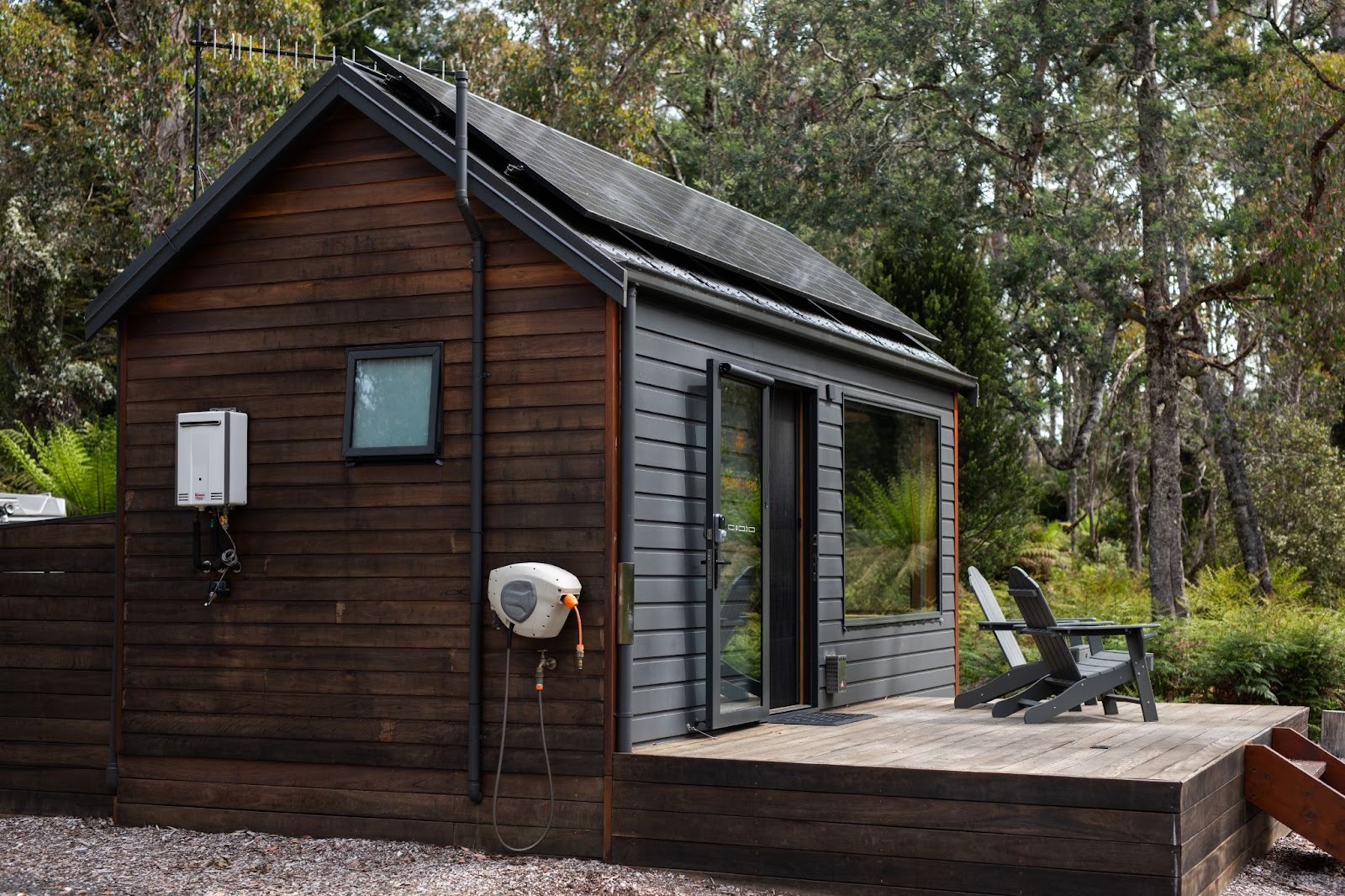
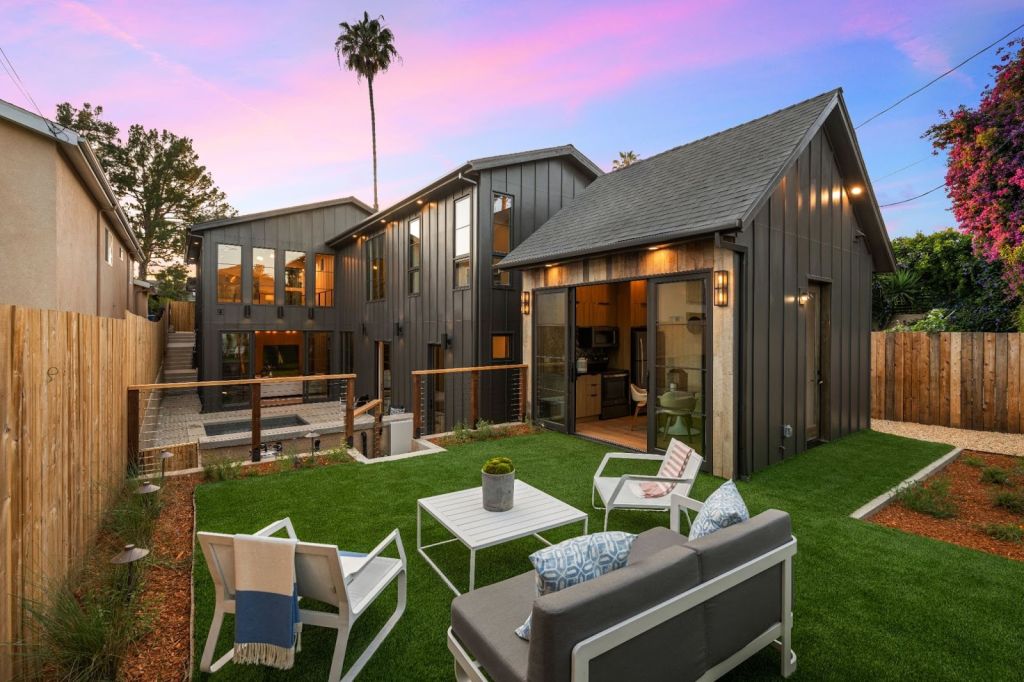
A detached ADU sits apart from the main house on the same lot. This layout provides strong privacy for occupants and homeowners. Detached units often resemble small backyard cottages. Construction costs run higher due to separate foundations and utility lines. Larger or deeper lots make this option easier to handle. Detached ADUs work well for long-term rentals or extended family housing.
Attached Accessory Dwelling Units
An attached ADU connects directly to the primary residence. This design often uses side additions or rear extensions. Shared walls reduce construction complexity and expense. Utility connections are usually simpler to manage. Privacy depends on soundproofing and layout choices. Attached ADUs suit homeowners planning family-focused use.
Interior Conversion ADUs
Interior ADUs are built within existing spaces, such as basements or garages. This approach limits exterior construction changes. Costs remain lower compared to new builds. Ceiling height, ventilation, and light access require close review. Some cities restrict garage conversions to protect parking availability. Interior units appeal to owners prioritizing efficiency over expansion.
Why Homeowners Choose Accessory Dwelling Units
Homeowners build ADUs to address practical housing and financial needs. These units add flexibility without requiring relocation. Motivations often overlap across income, family, and property goals. Understanding these reasons clarifies long-term value.
Rental Income and Cash Flow
Rental income remains a strong reason for ADU construction. Long-term tenants provide predictable monthly returns. Short-term rentals face tighter regulations in many areas. Demand depends on neighborhood, unit quality, and pricing. Well-designed units attract stable tenants. Rental income helps offset mortgages and property expenses.
Multigenerational Living Solutions
ADUs support family housing without shared interiors. Aging parents gain independence with help. Adult children benefit from affordable housing nearby. Privacy reduces daily household friction. Living arrangements can shift as needs change. This flexibility adds lasting value.
Property Market Appeal
Homes with permitted ADUs attract a wider buyer pool. Buyers appreciate flexible living and income potential. Appraisers increasingly factor ADUs into valuations. Neighborhood acceptance continues to improve. Market competitiveness increases beyond square footage alone. ADUs add functional appeal.
Accessory Dwelling Units and Local Housing Needs
Accessory dwelling units increasingly serve broader housing goals beyond individual properties. Cities and counties view ADUs as tools for addressing housing shortages. This policy direction influences zoning updates and approval processes. Homeowners benefit from understanding this broader context.
Why Cities Encourage ADU Development
Local governments promote ADUs to increase housing supply without large-scale development. These units use existing infrastructure efficiently. Neighborhood character remains more intact compared to dense construction. ADUs also support diverse housing needs within established areas. This policy approach reflects long-term planning rather than short-term trends. Homeowners often find approvals improving as a result.
How Housing Policy Shapes ADU Rules
Housing demand directly affects zoning flexibility for ADUs. Many cities revise setback, parking, and size limits over time. These changes aim to remove barriers for homeowners. Policy adjustments often follow regional housing data and growth projections. Staying informed helps owners plan strategically. Awareness reduces missed opportunities due to outdated assumptions.
The Homeowner’s Role in Housing Supply
Homeowners who build ADUs contribute to local housing availability. These contributions support renters, families, and workers seeking stable housing. Communities benefit from added options without displacement. This broader impact explains continued regulatory support. Understanding this role helps homeowners see ADUs as more than private assets. Participation aligns personal goals with community needs.
Zoning and Local ADU Regulations
Zoning laws control where and how ADUs can be built. Regulations vary widely between cities and counties. Early research prevents redesigns and delays. A clear understanding supports smoother approvals.
Lot Size, Height, and Setback Rules
Cities define minimum lot sizes for ADU eligibility. Setback rules control the distance from property lines. Height limits restrict vertical construction. These standards protect safety and neighborhood character. Violations often lead to permit denial. Accurate site surveys support compliance.
Parking and Access Standards
Many jurisdictions require off-street parking for ADUs. Some areas reduce parking requirements near transit. Access paths must meet safety and accessibility codes. Driveway modifications may become necessary. These rules influence site layout decisions. Early planning reduces conflicts.
Owner Occupancy Requirements
Some cities require homeowners to live on the property. These rules limit investor-owned ADUs. Enforcement varies by jurisdiction. Policies continue to evolve with housing demand. Homeowners must track updates carefully. Compliance protects rental use rights.

Design Considerations for Livable ADUs
Design decisions shape comfort, efficiency, and long-term use. Good planning maximizes limited space. Every choice affects cost and satisfaction. Thoughtful design reduces future changes.
Space Planning and Interior Flow
Efficient layouts improve livability in small units. Open floor plans increase perceived space. Built-in storage reduces clutter. Natural light improves comfort and energy efficiency. Door placement affects privacy and circulation. Innovative layouts support daily comfort.
Accessibility and Aging Readiness
Accessible design supports long-term usability. Single-level layouts simplify movement. Wider doorways improve mobility. Bathroom spacing requires careful attention. These features broaden rental appeal. Early planning avoids costly retrofits.
Energy Efficiency and Utilities
Efficient systems reduce long-term operating costs. Proper insulation supports comfort year-round. Utility connections require careful coordination. Separate metering may be required locally. Energy-efficient designs appeal to tenants. Planning utilities early avoids delays.
Living With an ADU on Your Property
Living alongside an accessory dwelling unit changes how homeowners experience their property over time. This adjustment goes beyond construction logistics and financial outcomes. Daily routines, shared spaces, and privacy expectations often shift once another household moves in. Understanding these lifestyle changes helps homeowners make informed decisions before building.
Daily Life Adjustments After ADU Occupancy
An occupied ADU introduces new rhythms to a property that homeowners feel every day. Shared driveways, walkways, and outdoor areas require more precise boundaries than before. Noise patterns may change as household schedules differ. Even small design choices affect how often residents cross paths. These interactions can feel seamless or intrusive depending on planning. Awareness of these dynamics supports better long-term satisfaction.
Privacy and Boundary Management
Privacy remains one of the most sensitive aspects of ADU living. Homeowners must rethink sightlines, window placement, and outdoor usage. Fences and landscaping often play a larger role than expected. Clear agreements about shared areas reduce friction over time. Informal expectations can lead to misunderstandings. Intentional boundaries protect everyone’s comfort.
Emotional Impact on the Sense of Home
An ADU changes how a property feels emotionally, not just physically. Some homeowners appreciate added activity and purpose on their lot. Others need time to adjust to a less private environment. These emotional responses evolve as routines settle. Recognizing this shift helps homeowners plan mentally, not just financially. A realistic mindset reduces regret and stress.
Construction Costs and Project Timelines
Construction cost expectations guide decisions. ADU projects follow predictable phases. Timelines vary by complexity and approvals. Realistic planning supports smoother builds.
Typical ADU Construction Costs
Costs depend on size, materials, and region. Detached units cost more than interior conversions. Labor pricing fluctuates with demand. Utility upgrades add expense. Permits and fees affect totals. Precise estimates reduce financial strain.
Expected Construction Timelines
Design and permitting often take several months. Construction duration depends on unit type. The weather can slow progress. Inspections create scheduled pauses. Clear timelines reduce frustration. Communication keeps expectations aligned.
Insurance and Tax Considerations for ADUs
ADUs affect insurance coverage and taxes. These changes require attention before construction. Oversights can create financial risk. Preparation protects ownership.
Insurance Policy Adjustments
Insurance policies must reflect added dwellings. Liability coverage may need to be expanded—rental use changes risk profiles. Insurers evaluate construction quality. Accurate disclosure prevents coverage gaps. Updated policies protect homeowners.
Property Tax Implications
Tax assessors may reassess property value. ADUs increase taxable improvements. Tax impacts vary by jurisdiction. Rental income affects reporting obligations. Understanding local rules prevents surprises. Professional guidance supports compliance.
Align Your Strategy With an Accessory Dwelling Unit
An accessory dwelling unit reshapes how a property performs over time, not just how it looks. This housing choice affects daily living, long-term flexibility, and future financial outcomes in ways that reward careful planning. Working with an experienced ADU contractor or residential builder helps translate intent into durable results, especially when zoning, design, and construction details intersect. Homeowners who pair clear goals with qualified professionals position their property for lasting use rather than short-term fixes.
For deeper knowledge of ADUs, design decisions, and local building insights, visit the Behan Builders blog.