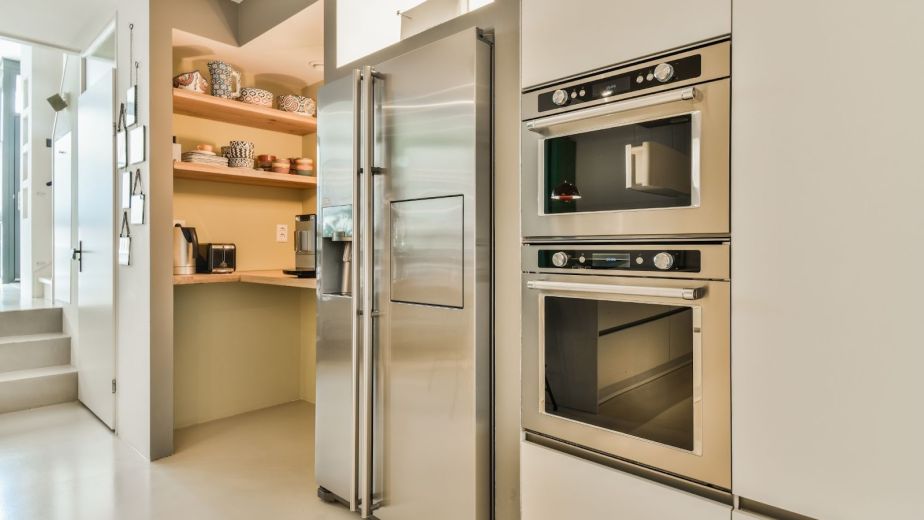
The kitchen often reflects how a home functions day to day, which makes remodeling decisions personal and financial. Homeowners usually ask about cost before design, materials, or timelines. Pricing varies widely, which causes confusion and hesitation. Clear cost expectations reduce stress and prevent unrealistic planning. Understanding what shapes kitchen remodel pricing helps homeowners move forward with confidence and control.
Average Kitchen Remodel Cost
Kitchen remodel cost refers to the total expense required to update or rebuild a kitchen. Most homeowners spend between $25,000 and $75,000, depending on the scope and finishes. Smaller projects stay affordable because they avoid layout and system changes. Larger renovations increase costs through higher labor and material costs and extended timelines.
Typical Cost Ranges by Remodel Scope
Minor kitchen remodels focus on surfaces and fixtures and usually cost $15,000 to $30,000. These projects include paint, lighting, appliances, and limited cabinet updates. Mid-range remodels cost $30,000 to $70,000 and involve new cabinets and countertops. Upscale remodels often exceed $90,000 due to layout changes and the use of custom materials. Each tier reflects labor complexity more than room size. Industry pricing surveys from licensed contractors support these ranges.
Cost Differences Between Small and Large Kitchens
Kitchen size influences cost, but not as strongly as expected. Smaller kitchens still require full appliance sets and skilled labor. Medium kitchens balance workspace with manageable material quantities. Larger kitchens increase costs due to the need for extended cabinetry and flooring. More square footage increases finish quantities. Layout efficiency often matters more than dimensions.
Factors That Shape Kitchen Remodel Pricing
Kitchen remodel pricing depends on design choices and existing conditions. Certain decisions create cost increases throughout the project. Planning with awareness prevents budget strain. Cost control improves when homeowners understand these drivers early.
Layout Changes and Structural Adjustments
Layout changes raise costs because they affect plumbing, electrical, and framing systems. Moving walls often requires engineering review and inspections. Plumbing relocation adds licensed labor and materials. Electrical rerouting increases labor hours and permit fees. Open layouts demand additional finishes and lighting. These structural changes raise costs faster than surface updates.
Cabinet Quality and Customization Levels
Cabinets are among the largest kitchen expenses. Stock cabinets offer predictable pricing and shorter lead times. Semi-custom cabinets allow sizing flexibility with moderate increases. Custom cabinets increase costs due to labor and extended fabrication. Material thickness affects durability and price. Interior storage features also raise totals.
Countertop Material and Fabrication Costs
Countertop pricing depends on material and fabrication. Laminate remains affordable but limits longevity. Quartz balances durability and appearance. Natural stone adds uniqueness but requires sealing. Fabrication costs rise with thicker slabs. Edge profiles and cutouts add labor charges.
How Lifestyle Patterns Affect Kitchen Remodel Cost
Kitchen remodel cost often changes based on how the space is actually used. Lifestyle patterns influence material wear, appliance selection, and layout decisions. Ignoring usage habits leads to overspending in some areas and underinvestment in others. Aligning design with daily behavior improves both cost efficiency and satisfaction.
Cooking Frequency and Appliance Wear
Households that cook daily place greater strain on appliances and surfaces. Frequent cooking justifies investing in durable ranges and ventilation. Occasional cooking allows for simpler appliance choices. Mismatched appliance selection increases repair and replacement costs. Heat output and grease exposure also affect finish longevity. Usage-driven decisions control long-term expenses.
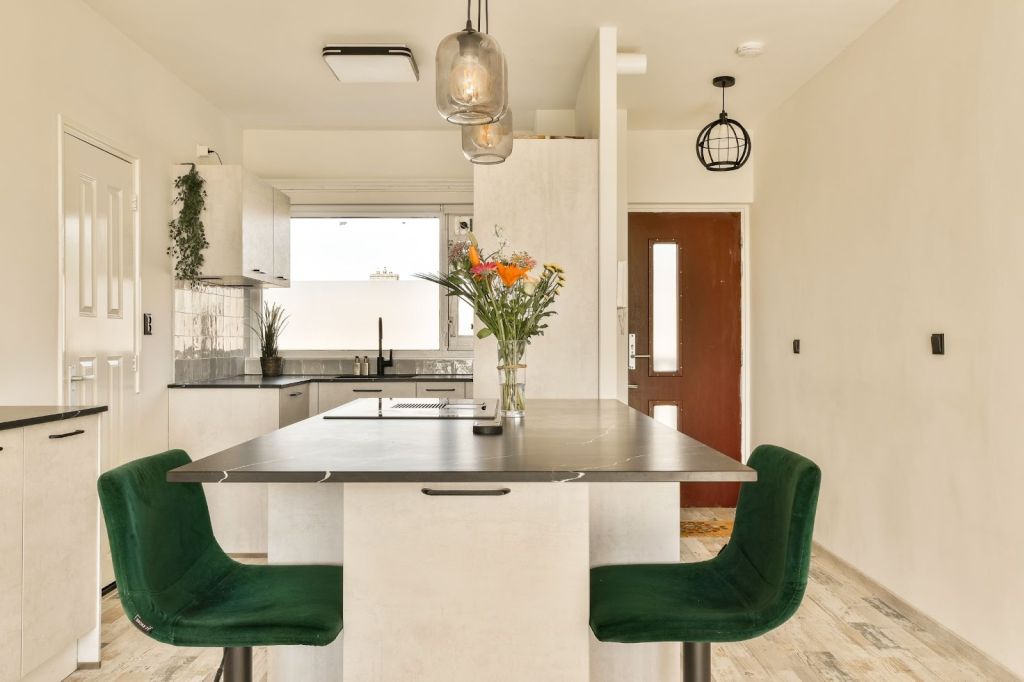
Household Size and Storage Demands
Larger households require greater storage and generate higher traffic flow demands. More users require durable cabinetry and wider walkways. Crowded kitchens wear out finishes faster. Storage upgrades increase cabinetry costs but reduce clutter-related damage. Ignoring household size leads to functional inefficiencies. Design that reflects occupancy reduces frustration and the need for future modifications.
Appliance Costs and Kitchen Budget Impact
Appliance costs affect both upfront spending and long-term efficiency. Appliance choices influence electrical capacity, ventilation, and cabinetry requirements. Selecting appliances based on cooking habits prevents unnecessary upgrades. Coordinated planning reduces the risk of infrastructure surprises.
Standard Versus Professional Appliances
Standard appliances meet most household needs efficiently and predictably. Professional appliances require higher electrical capacity and stronger ventilation systems. Built-in units increase the cost of cabinetry modifications and installation labor. Repair services cost more for premium brands. Function should guide appliance selection over visual appeal. Industry pricing consistently reflects these differences.
Smart Appliances and Technology Expenses
Smart appliances cost more due to connectivity and software features. Installation may require network upgrades or additional wiring. Software compatibility can change over time, affecting long-term usability. Repairs often require specialized technicians. Some smart features deliver daily convenience. Others add cost without proportional value.
Appliance Installation and Utility Upgrades
Appliance installation costs vary by configuration and fuel type. Gas ranges may require new gas lines. Vent hoods often need ductwork modifications. Electrical panels sometimes require capacity upgrades. These supporting changes increase labor hours. Early planning prevents last-minute expenses.
Flooring, Lighting, and Finish Expenses
Surface finishes define how a kitchen performs over time. These elements influence comfort, maintenance, and durability. Costs vary depending on the material’s behavior during daily use. Careful selection balances appearance with practicality.
Kitchen Flooring Cost Differences
Vinyl flooring offers water resistance at a lower price point. Tile provides durability but increases labor costs during installation. Hardwood adds warmth but requires moisture control. Engineered wood balances stability with appearance. Subfloor condition affects preparation costs. Installation complexity varies by material choice.
Lighting Design and Electrical Costs
Lighting improves both usability and atmosphere. Recessed lighting requires access to the ceiling and wiring. Pendant fixtures add visual focus over work areas. Under-cabinet lighting improves task visibility. Controls and dimmers increase wiring needs—electrical labor scales with lighting complexity.
Long-Term Maintenance Costs After Remodeling
Kitchen remodel cost extends beyond construction. Maintenance requirements affect lifetime value. Some materials cost less upfront but more over time. Evaluating ownership costs prevents regret.
Surface Maintenance and Repair Frequency
Natural stone requires sealing and upkeep. High-gloss finishes show wear faster. Lower-maintenance materials reduce cleaning time and repair costs. Finish durability affects long-term appearance. Maintenance demands influence daily satisfaction. Cost evaluation should extend past installation.
Appliance Longevity and Service Access
Some appliance brands cost less to buy but cost more to repair. Service availability varies by region. Replacement parts pricing affects ownership costs. Warranty coverage reduces financial risk. Long-term service planning improves value. Appliance choice should consider repair logistics.
Labor, Permits, and Other Fees in Remodeling
Labor costs reflect skill level, experience, and coordination. Licensed remodeling professionals protect safety and code compliance. Permits validate work quality and legality. Overlooking these expenses leads to delays and complications.
Contractor and Trade Labor Costs
General contractors manage scheduling and quality control—specialized trades charge based on certification and demand. Labor rates vary by region and market conditions. Complex projects require longer timelines. Delays increase labor costs steadily. Skilled craftsmanship reduces future repair needs.
Permit and Inspection Requirements
Permit requirements depend on location and project scope. Electrical and plumbing permits are common. Inspections confirm safety and compliance. Older homes often trigger mandatory upgrades. Skipping permits risks fines and resale issues. Permit costs remain modest compared to the cost of correction work.
Budget Planning and Cost Control
Budget planning defines financial boundaries before construction begins. Clear limits reduce emotional decision-making. Flexibility protects against unexpected repairs. Discipline keeps projects aligned with goals.
Setting a Realistic Kitchen Budget
Budgets should reflect income stability and home value. Overspending rarely improves resale outcomes. Contingency funds cover hidden issues behind walls. Priorities guide material and design choices. Written budgets support contractor communication. Regular reviews prevent scope expansion.
Managing Change Orders and Revisions
Design changes increase costs through labor and delays. Change orders affect material availability and scheduling. Reordering items extends timelines. Miscommunication leads to avoidable revisions. Finalizing selections early controls spending. Documentation protects both homeowners and contractors.
Partial Remodels Versus Full Renovations
Not every kitchen requires a full rebuild. Partial remodels address specific functional or visual problems. Full renovations, rebuild systems, and layouts. Choosing correctly avoids wasted investment.
Cosmetic Kitchen Updates and Costs
Cabinet painting refreshes the appearance at a lower cost. Hardware updates change visual style quickly. Backsplashes modernize kitchens without demolition. Appliance replacements improve efficiency. Cosmetic updates avoid structural work. Longevity remains limited compared to full remodels.
Full Kitchen Renovations and Value
Full renovations replace outdated systems comprehensively. Plumbing and electrical upgrades improve safety. New layouts improve workflow and storage. Energy-efficient features reduce utility expenses. Resale appeal improves with modern standards. Timelines extend due to project scope.
Regional Pricing and Market Conditions
Location plays a direct role in kitchen remodel pricing. Labor availability affects timelines. Material delivery influences cost predictability. Market demand shifts contractor access.
How Location Influences Kitchen Costs
Urban areas command higher labor rates. Rural projects face delivery delays. Permit fees vary by municipality. Seasonal demand affects contractor pricing. Economic shifts influence material supply. Regional standards shape design expectations.
Local Labor and Material Availability
Labor shortages increase project timelines. Material availability affects scheduling reliability. Imported materials fluctuate in price. Local suppliers stabilize sourcing. Planning around availability prevents delays. Regional expertise improves outcomes.
Plan Your Kitchen Remodel With Clear Cost Expectations
Kitchen remodel costs tend to escalate when decisions are based on assumptions rather than clarity. A realistic understanding of pricing gives homeowners control, not restriction, by grounding choices in real-world conditions. When cost expectations are clear, conversations with contractors become more productive and less reactive. Financial clarity also reduces stress during construction, when decisions must happen quickly. The strongest remodeling outcomes begin when planning reflects both the home’s needs and the homeowner’s priorities.
Visit the Behan Builders blog to gain clear, experience-backed insight on remodeling costs, decisions, and long-term value.