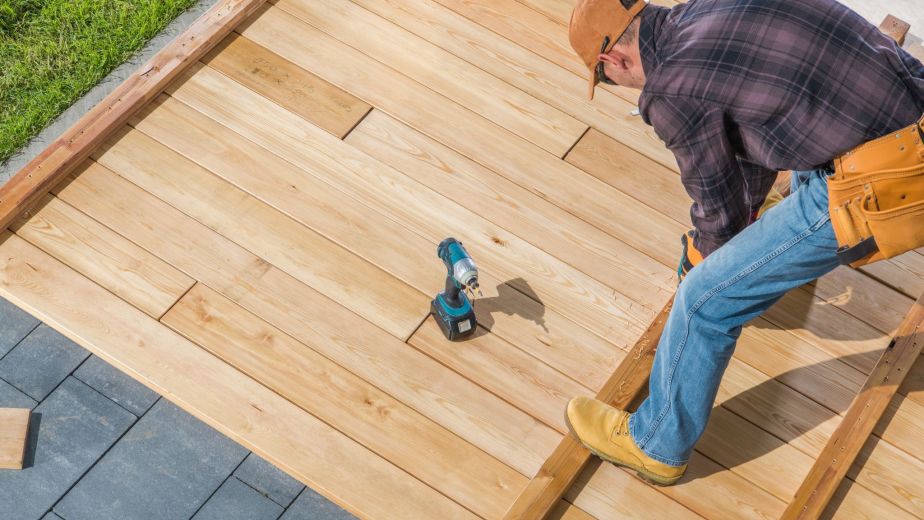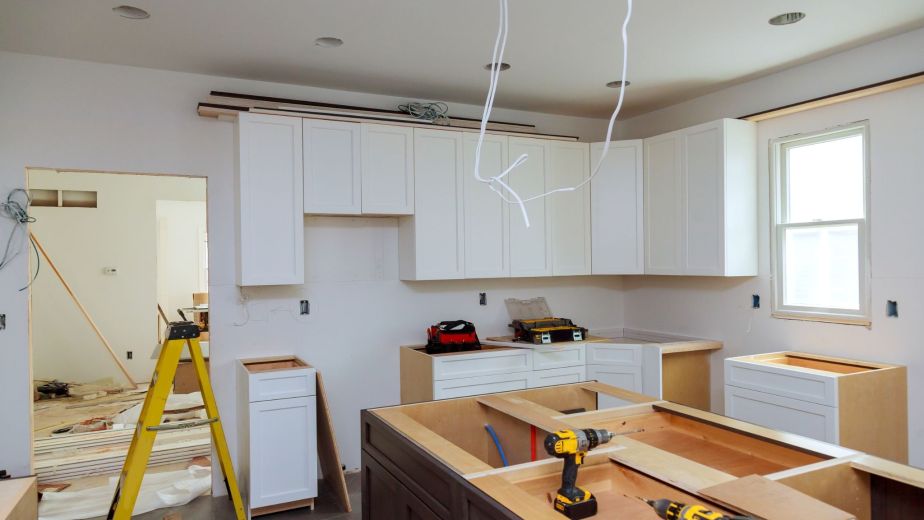
Property owners often see unused backyard space and think about its hidden potential. A well-built outdoor deck turns that area into a comfortable extension of the home. Families gather there for meals, conversations, and quiet moments after long days. However, strong results require thoughtful planning and smart construction choices. Every successful deck-building project depends on understanding the structural and design elements that support durability and daily use.
Purpose of Deck Building for Property Owners
Deck building begins with a clear purpose that guides every design decision. Property owners usually want an outdoor living space that supports gatherings, relaxation, and daily routines. Clear planning helps the deck function naturally with the home and yard layout. This purpose-driven approach prevents wasted space and improves long-term value for residential properties.
How Property Owners Plan Deck Usage
Deck usage defines the structure, layout, and features of the final outdoor space. Property owners should consider daily routines, entertainment needs, and seasonal activities before construction begins. For example, families who host frequent gatherings require larger seating areas and more open pathways for movement. Homeowners who prefer quiet evenings may focus on comfortable seating and shade coverage. These activity choices influence deck size, furniture placement, and structural support requirements. Clear usage goals help builders design a deck that supports everyday living instead of occasional use.
Aligning Deck Design With Property Layout
Property layout affects the deck’s position, height, and structural requirements. Builders evaluate yard slope, drainage patterns, and house access points during planning. A sloped yard may require elevated framing and deeper foundation footings. Flat properties often allow simpler designs that connect easily with patios or landscaping. Additionally, sunlight exposure influences comfort and shading decisions for outdoor seating areas. This property alignment strategy creates a deck that integrates smoothly with the existing home structure.
Deck Layout and Structural Planning
Deck layout describes how the structure occupies space and supports daily activity. Property owners must consider size, shape, and traffic flow during early planning stages. Careful layout decisions prevent cramped movement or wasted sections within the deck. This structural planning phase provides the blueprint for framing, support systems, and overall functionality.
Choosing the Right Deck Size and Shape
Deck size determines how comfortably people move and gather in the space. Property owners should carefully measure available yard area and determine furniture placement needs. A small deck may restrict seating arrangements and outdoor dining setups. Larger decks allow flexible zones for cooking, relaxing, and entertaining guests. Rectangular designs simplify construction, while custom shapes add visual character. This deck-sizing strategy balances available space with practical outdoor-living needs.
Planning Deck Traffic Flow and Activity Zones
Deck traffic flow determines how people move through the outdoor space. Builders often design clear walking paths between entry doors, seating areas, and stairs. Proper circulation prevents furniture crowding and awkward movement during gatherings. Property owners often divide the deck into functional zones such as dining and lounging. Similarly, outdoor kitchens or grilling stations require dedicated areas for safe operation. This zone planning method improves comfort while supporting multiple activities on the same deck.
Benefits of Multi-Level Deck Designs
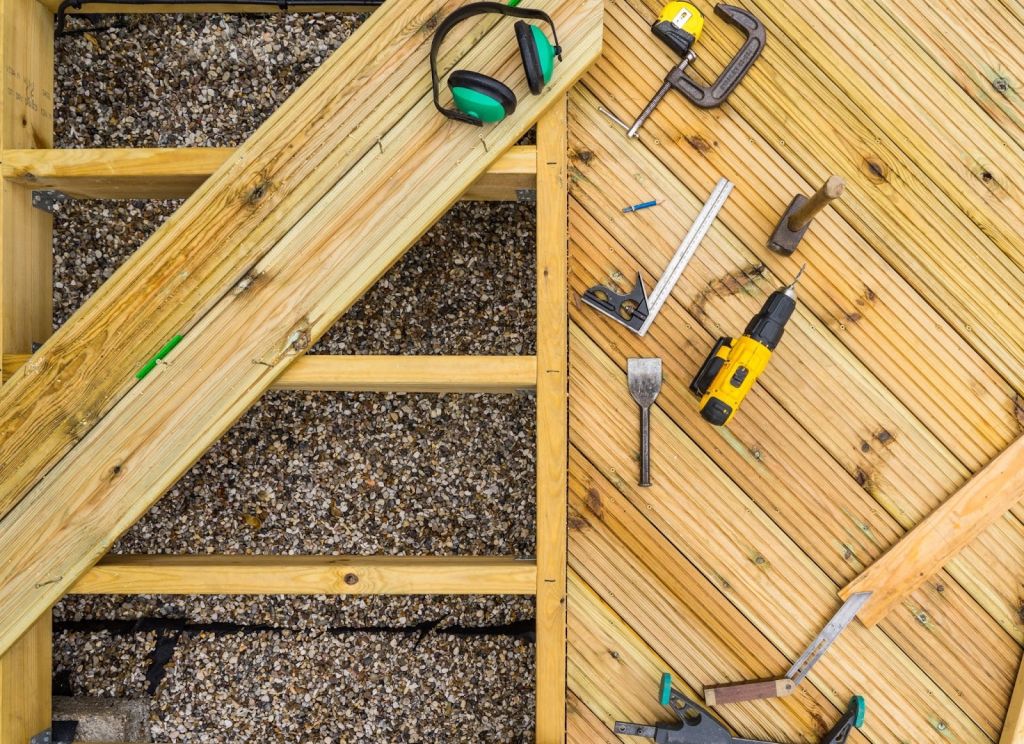
Multi-level decks create separate activity spaces without expanding the entire structure. Builders design upper levels for dining areas near the house entrance. Lower platforms often hold lounge seating or fire pit arrangements. These level transitions improve movement while adding visual depth to the outdoor space. Multi-level layouts also adapt well to sloped properties without extensive ground grading. This layered design approach gives property owners flexible outdoor living areas within limited yard space.
Choosing Materials for Deck Construction
Material selection determines durability, maintenance demands, and visual style. Property owners must compare traditional lumber with modern composite decking options. Each material offers different benefits for climate resistance and long-term upkeep. This decision on deck material affects maintenance schedules and construction costs for many years.
Wood vs Composite Decking Materials
Wood decking remains a familiar choice for residential deck construction. Pressure-treated lumber offers affordability and strong structural performance for framing and surface boards. Cedar and redwood offer natural beauty and moderate insect resistance. However, wood surfaces require regular staining and sealing to maintain durability. Composite decking combines recycled plastics with wood fibers to resist moisture damage and fading. This composite alternative reduces maintenance while maintaining a consistent appearance over time.
Deck Hardware and Structural Fasteners
Deck hardware holds structural components together and supports long-term stability. Builders typically use galvanized or stainless steel fasteners to prevent rust and corrosion. These metal coatings protect connections from rain, humidity, and seasonal temperature changes. Hidden fastening systems also improve the deck’s visual appearance by concealing screws. Additionally, joist hangers and metal brackets strengthen beam-to-frame connections. This hardware selection process supports safer and more durable deck structures.
Climate Considerations for Deck Materials
Climate conditions influence how deck materials perform over time. Regions with heavy rainfall require moisture-resistant boards and corrosion-resistant hardware. Intense sunlight can cause untreated wood surfaces to fade or crack faster. Composite materials often perform better in areas with strong temperature fluctuations. Coastal locations also demand hardware that is resistant to salt-air corrosion. This climate-focused approach helps property owners choose materials suited for their local environment.
Deck Foundation and Framing Systems
Deck foundations support the entire structure and distribute weight safely into the ground. Builders construct footings, posts, and beams to carry structural loads. Strong framing prevents sagging, shifting, and long-term instability. This structural system forms the hidden framework that supports safe deck building.
Concrete Footings and Deck Support Piers
Concrete footings anchor the deck securely into stable soil layers. Builders typically dig below the frost line to prevent seasonal ground movement. Concrete piers create strong bases that support vertical posts and structural beams. Metal brackets connect above-ground wooden posts to protect them from moisture damage. Proper footing spacing distributes the deck’s weight evenly across the structure. This foundation method increases durability and protects the deck from long-term shifting.
Structural Posts and Deck Beam Placement
Support posts carry the load from beams directly to the foundation system. Builders install heavy beams across these posts to support the deck frame. Beam thickness and spacing depend on deck size and weight requirements. Larger decks often require additional posts to distribute structural loads safely. Proper beam alignment prevents uneven surfaces and structural strain. This framing structure strengthens the deck while supporting daily foot traffic and furniture weight.
Joist Framing for Deck Strength
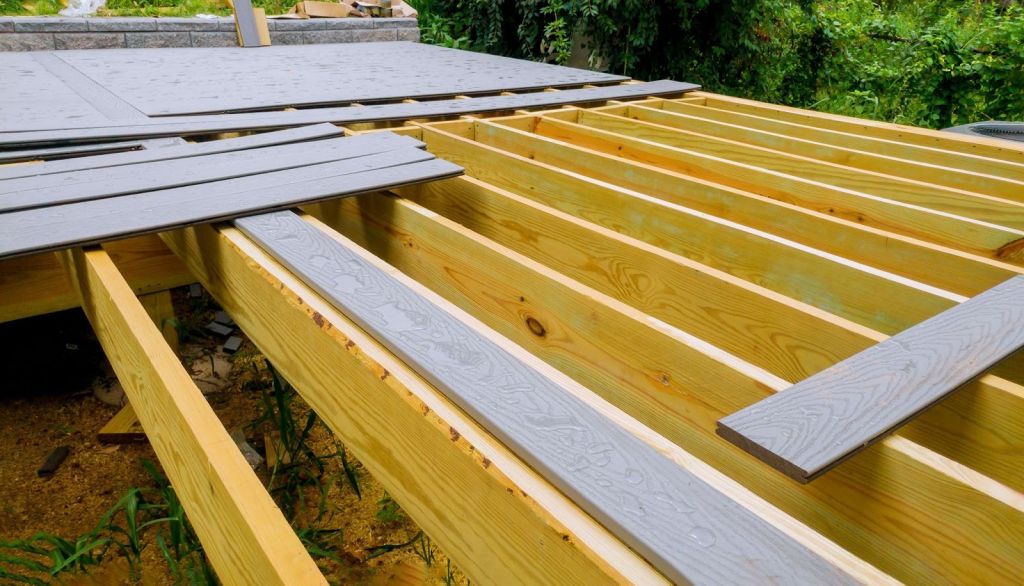
Deck joists form the horizontal framework that supports surface boards. Builders attach joists perpendicular to beams to create a strong grid structure. Consistent spacing keeps the deck surface firm during heavy use. Wider joist gaps may cause boards to bend or weaken over time. Metal joist hangers reinforce each connection and improve structural stability. This joist framework forms the backbone of reliable deck construction.
Deck Surface and Safety Features
Deck surfaces and safety features shape comfort and everyday usability. Builders install deck boards, railings, and stairs to complete the structure. These elements protect guests while improving the appearance of the outdoor space. This finishing stage combines durability, safety, and visual design.
Deck Boards and Surface Installation
Deck boards create the walking surface that people use daily. Builders leave small spaces between boards to allow drainage and airflow. These gaps reduce moisture buildup that could damage wood or composite materials. Board direction also affects visual style and structural alignment. Straight patterns offer a clean appearance that suits most home designs. This board installation method improves durability and maintains an attractive deck surface.
Railings for Safety and Style
Deck railings protect guests from accidental falls on elevated platforms. Local building codes usually require railings on decks above a certain height. Builders anchor railing posts directly into the deck framing system. Vertical balusters or cable systems fill the space between posts for protection. Property owners may choose wood, metal, or glass, depending on their design preferences. This railing system improves both safety and visual appeal.
Stair Design and Safe Access
Deck stairs connect the structure to the yard or patio area. Builders carefully calculate step height and depth to ensure comfortable movement. Uneven steps often cause tripping hazards during regular use. Handrails provide additional stability for children and older family members. Wider staircases allow easier traffic flow during gatherings or outdoor events. This stair design approach improves safety and everyday convenience.
Deck Design Features for Outdoor Living
Deck design features expand the space beyond basic construction. Property owners often add lighting, seating, and shade structures for comfort. These upgrades turn a simple deck into a functional outdoor living area. This design strategy increases usability while improving property appeal.
Outdoor Deck Lighting Solutions
Deck lighting extends outdoor use into the evening hours. Builders install step lights, post lights, or overhead fixtures for visibility and atmosphere. Soft lighting improves safety along stairs and walking paths. Solar lighting options provide energy-efficient solutions without complex wiring. Additionally, smart lighting systems allow homeowners to control brightness through mobile devices. This lighting design improves safety while creating a welcoming nighttime environment.
Built-In Deck Seating and Storage
Built-in seating helps property owners maximize deck space efficiently. Benches along railings provide comfortable seating for gatherings. Storage compartments beneath benches offer space for cushions and outdoor accessories. Planter boxes may also integrate greenery into the deck layout. These features reduce clutter while improving the deck’s visual balance. This seating solution creates a practical and organized outdoor living area.
Shade Structures and Weather Protection
Shade structures increase comfort in warm weather. Pergolas provide partial shade while maintaining an open outdoor feel. Retractable awnings offer flexible protection from sunlight and light rain. Shade sails create modern design accents while cooling seating areas. Covered deck sections also protect furniture from constant exposure to the weather. This shade solution extends the time families spend enjoying outdoor spaces.
Upgrade Your Outdoor Space With a Deck
A thoughtfully built deck turns unused yard space into a place people enjoy every day. Property owners gain a practical area for dining, relaxing, and gathering with family or friends. Smart design choices and durable materials help the structure remain reliable through changing seasons. Start planning a deck that complements your home and supports the way you live outdoors.
Looking for more practical ideas for improving your outdoor space? Visit the Behan Builders blog for expert insights on decks, remodeling, and smart home upgrades.