Bathroom remodeling often begins with enthusiasm and quickly shifts to practical concerns about cost. Homeowners want a space that feels comfortable, durable, and well-designed without risking financial strain. Because bathrooms support daily routines, even minor upgrades carry high expectations and pressure. Budget confusion frequently leads to delays, compromises, or unfinished projects. A realistic understanding of bathroom remodeling costs helps homeowners move forward with clarity and control.
Bathroom Remodeling Cost Ranges Explained
Bathroom remodeling costs typically fall within broad ranges that reflect scope, materials, labor, and existing conditions. National averages provide a helpful starting point, but they never tell the whole story. Local labor rates, home age, and design complexity all influence the final number. Understanding these ranges helps homeowners plan without relying on unrealistic assumptions.
Why Bathroom Remodeling Costs Vary Widely
Bathroom remodeling costs differ because every home presents unique physical and logistical factors. Room size affects the amount of material and labor required for the project. Older homes often reveal outdated plumbing or wiring during demolition, which can unexpectedly increase costs. Regional labor rates also vary based on licensing requirements and market demand. Custom features require more time and skill than prefabricated options. Together, these elements explain why two similar bathrooms can receive very different estimates.
Average Bathroom Remodeling Costs Nationwide
Across the United States, basic bathroom remodeling projects usually range from $8,000 to $15,000. Mid-range renovations typically fall between $18,000 and $30,000, depending on materials and the stability of the layout. High-end bathroom remodeling commonly exceeds $40,000 when custom work and premium finishes are involved. These figures reflect recent contractor pricing trends across major markets. Actual costs still depend heavily on location and contractor availability. Homeowners should use averages as planning references rather than fixed expectations.
Limits of Online Bathroom Cost Calculators
Online bathroom remodeling calculators offer convenience but lack precision. Many calculators exclude permit fees, demolition costs, and regional labor differences. Material pricing often changes faster than these tools update their databases. Calculators also fail to account for hidden damage behind walls or floors. These limitations make online estimates unreliable for final budgeting. In-person assessments provide far greater clarity on costs.
Bathroom Remodeling Budget Levels Defined
Bathroom remodeling budgets generally fall into defined tiers based on scope and finish quality. Each tier supports different homeowner priorities, timelines, and property goals. Understanding these categories helps align expectations with financial boundaries. Budget clarity also reduces redesigns once construction begins.
Budget Bathroom Remodeling Options
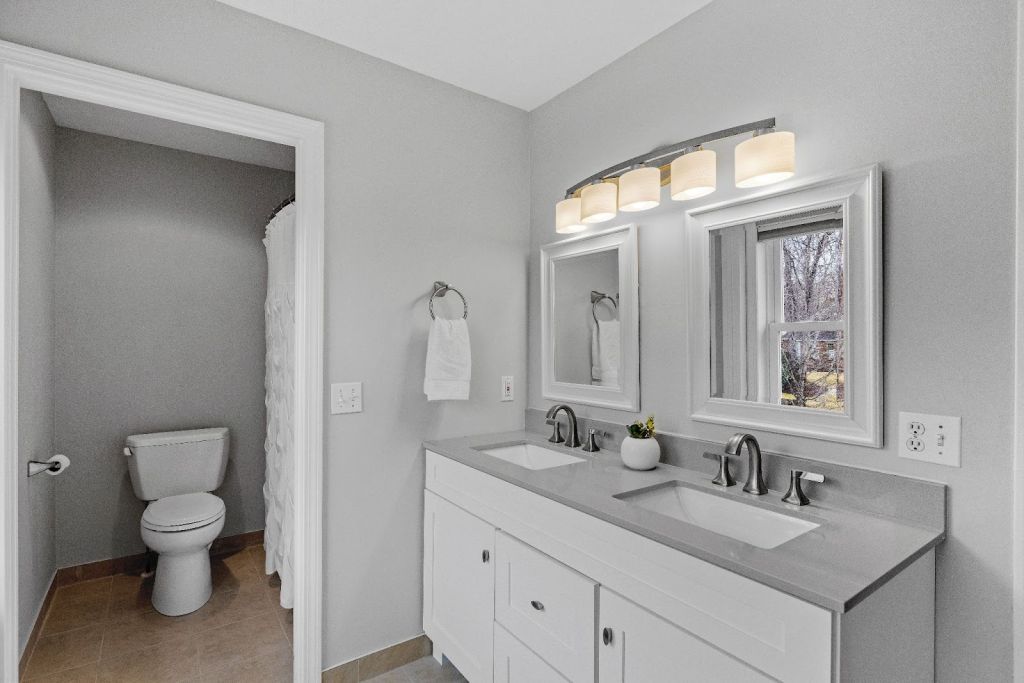
Budget bathroom remodeling focuses on visual improvements rather than structural changes. Homeowners usually keep existing layouts to avoid plumbing relocation costs: stock vanities, standard fixtures, and vinyl flooring help keep costs under control. Acrylic shower surrounds provide durability without premium pricing. Paint and lighting updates refresh the space efficiently. These projects often remain under $15,000 when the scope stays limited.
Mid-Range Bathroom Remodeling Budgets
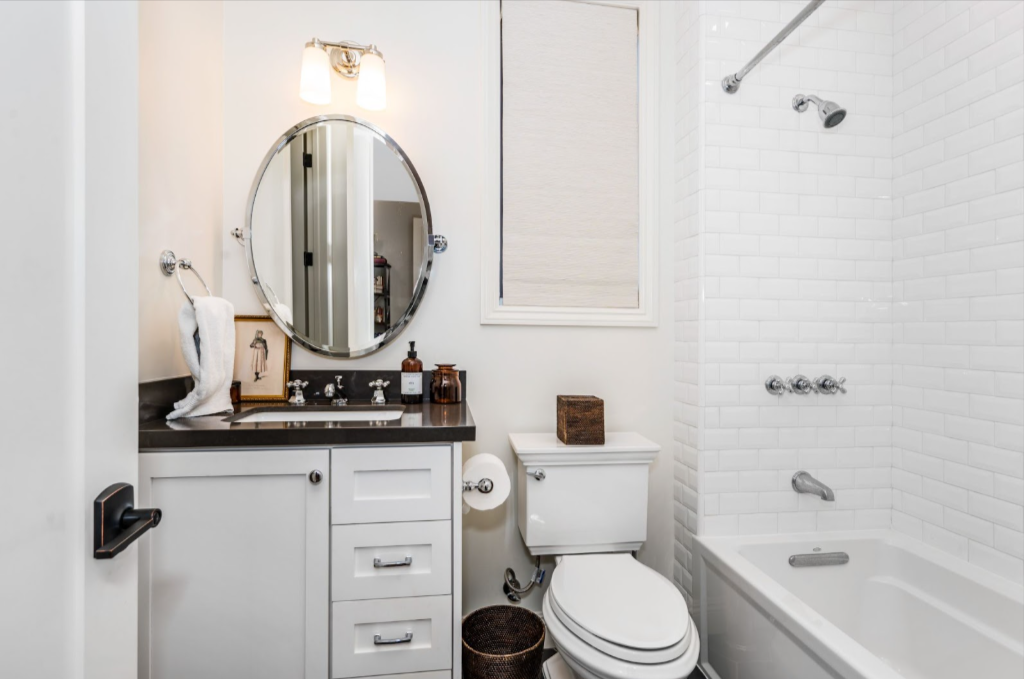
Mid-range bathroom remodeling balances affordability with noticeable quality upgrades. Semi-custom cabinetry offers better storage and fit than stock options. Tile flooring and tiled showers replace entry-level materials. Fixtures often improve water efficiency and comfort. Lighting upgrades enhance functionality and atmosphere. Costs typically range from $20,000 to $30,000.
Upscale Bathroom Remodeling Investments
Upscale bathroom remodeling emphasizes customization and long-term durability. Layout changes improve flow, accessibility, and comfort. Custom cabinetry allows precise use of space and personalized design. Stone countertops and premium tile increase both lifespan and visual appeal. Added features may include heated floors or walk-in showers. Budgets commonly exceed $40,000 due to the labor-intensive nature and high material quality.
Core Costs in Bathroom Remodeling Projects
Bathroom remodeling budgets concentrate on a few core cost categories. These expenses account for most of the overall investment. Recognizing them helps homeowners make effective spending decisions. Cost awareness leads to better planning.
Labor Costs for Bathroom Remodeling
Labor accounts for a large share of bathroom remodeling expenses. Licensed plumbers, electricians, and tile installers require specialized skills. Complex designs increase installation time and coordination. Skilled labor reduces the risk of errors that cause future repairs. Contractor experience also affects efficiency and scheduling. Lower labor bids often result in higher long-term costs.
Materials and Bathroom Finish Pricing
Material choices influence both upfront cost and long-term performance. Tile pricing varies widely based on durability and design. Cabinet construction affects resistance to moisture and wear. Fixture brands differ in reliability, warranty coverage, and lifespan. Lower-cost materials may require earlier replacement. Balanced selections protect value over time.
Plumbing and Electrical Modifications
Plumbing changes quickly raise bathroom remodeling costs. Electrical upgrades must meet current safety codes. Older homes often require wiring upgrades to support modern fixtures. Drain relocation requires structural access beneath floors. Permits and inspections add both time and expense. These upgrades protect safety and compliance.
Structural and Layout Adjustments
Layout changes introduce framing, reinforcement, and ventilation work. Floors may need strengthening for heavier tubs or tile. Improved ventilation reduces moisture-related damage. Structural modifications increase inspection requirements. Each adjustment adds labor complexity. Costs rise as scope expands.
Hidden Costs in Bathroom Remodeling
Hidden bathroom remodeling costs often appear after demolition begins. These expenses catch homeowners off guard when they’re not adequately planned for. Anticipating them protects financial stability. Awareness prevents project delays.
Demolition and Disposal Expenses
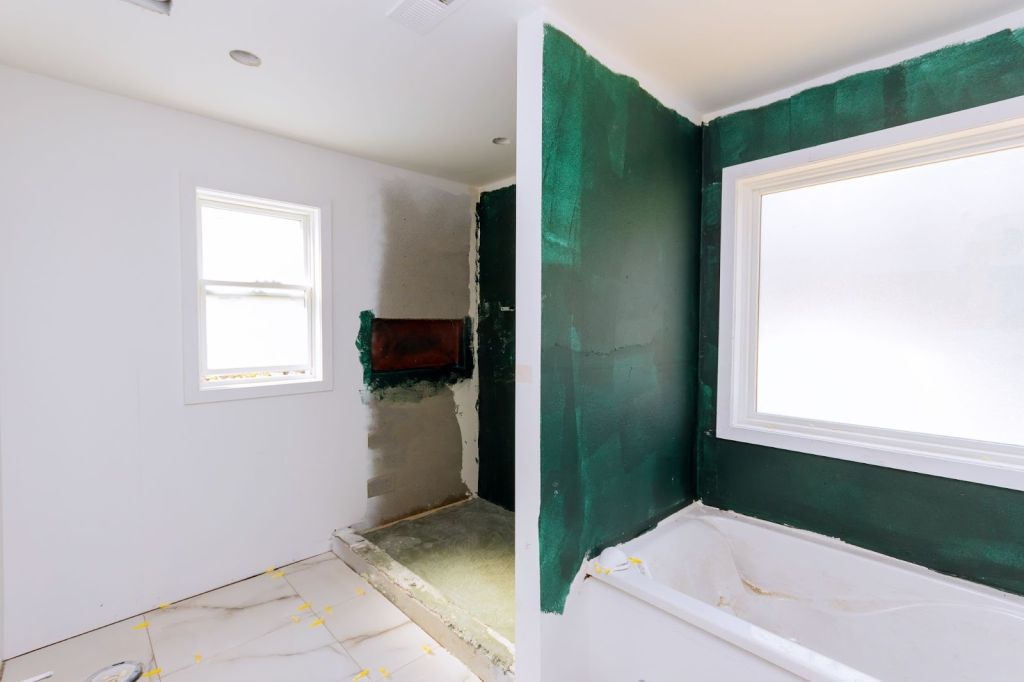
Demolition involves carefully removing fixtures, tile, and finishes. Heavy debris increases disposal fees. Local regulations influence waste handling requirements. Dust containment protects surrounding living areas. Older materials sometimes require specialized disposal. These steps add unexpected costs.
Water Damage and Mold Repairs
Bathrooms frequently hide moisture damage behind walls and floors. Small leaks may go unnoticed for years. Mold remediation requires professional treatment. Subfloor replacement adds labor and materials. Addressing damage protects health and structural integrity. Ignoring it leads to escalating repairs.
Permits and Inspection Fees
Many bathroom remodeling projects require permits. Fees depend on local codes and project scope. Inspections can delay progress if corrections arise. Unpermitted work risks fines and resale complications. Permit costs vary by jurisdiction. Compliance protects long-term value.
How to Set a Realistic Bathroom Budget
A realistic bathroom remodeling budget connects goals with financial limits. Planning reduces emotional decisions during construction. Clear priorities guide spending choices. Budget clarity strengthens contractor communication.
Match Your Budget to Bathroom Usage
Primary bathrooms often justify higher investment levels. Guest bathrooms typically allow simpler upgrades. Daily use affects material durability needs. Storage requirements vary by household size. Usage patterns shape design priorities. Budget alignment improves long-term satisfaction.
Plan for Contingency Funds
Unexpected costs appear in most bathroom remodeling projects. Industry data suggests reserving ten to 15% of the budget. Contingency funds prevent rushed compromises. They allow proper repairs when issues surface. Financial buffers reduce stress during construction. Planning preserves momentum.
Compare Contractor Estimates Carefully
Multiple contractor estimates reveal pricing patterns and scope differences. Detailed bids clarify material allowances and exclusions. Labor timelines vary between remodeling contractors. Comparing estimates highlights missing work. Lowest bids often exclude essential services. Careful review protects the investment.
Budgeting for Bathroom Longevity, Not Just Price
Longevity-based budgeting focuses on how long bathroom remodeling choices perform, not just what they cost upfront. This approach helps homeowners avoid repeat repairs and premature replacements. Many budget overruns stem from short-term savings that create long-term expenses. Planning with lifespan in mind produces steadier costs and better satisfaction.
Why Short-Term Savings Often Cost More Later
Short-term savings in bathroom remodeling often lead to faster wear and earlier failure. Low-cost materials appear acceptable initially, but they fail when exposed to moisture. When finishes fail, labor costs repeat even if materials stay inexpensive. This pattern increases total ownership cost over time. Homeowners frequently underestimate how labor repetition affects budgets. Longevity-focused choices reduce repeat disruption.
How Material Lifespan Shapes Remodeling Value
Material lifespan determines how long a bathroom performs without intervention. Porcelain tile often outlasts vinyl by decades in wet environments. Solid-surface counters resist staining and moisture better than laminate. Higher-quality fixtures reduce leaks and maintenance calls. These choices stabilize long-term expenses. The initial price matters less as replacement cycles lengthen.
Labor Durability Matters as Much as Materials
Labor quality influences longevity as strongly as material selection. Proper waterproofing prevents hidden damage over time. Skilled installation ensures correct slope, drainage, and sealing. Poor workmanship shortens the lifespan of even premium finishes. Repairing faulty labor often requires complete demolition. Investing in experienced professionals protects the original budget.
Budgeting Based on Time in the Home
Homeowners planning long-term occupancy benefit most from longevity-based budgeting. Short-term residents may prioritize cosmetic appeal instead. Five-year plans justify different investments than fifteen-year plans. Understanding personal timelines helps guide spending decisions. This clarity prevents overspending on features with limited return. Budget alignment improves confidence.
Maintenance Costs as Part of the Budget
Maintenance represents an ongoing cost that many homeowners overlook. Cheaper finishes often require more frequent repairs. High-quality materials reduce cleaning effort and wear. Fewer repairs mean fewer disruptions to daily routines. Maintenance planning supports realistic budgeting. Longevity budgeting accounts for these hidden costs.
Cost-Saving Bathroom Remodeling Strategies
Saving money during bathroom remodeling requires thoughtful planning rather than shortcuts. Strategic decisions preserve quality while controlling costs. Long-term value depends on balanced choices. Thoughtful planning prevents regret.
Keep the Existing Bathroom Layout
Maintaining the current layout limits the scope of plumbing modifications. Labor time decreases without fixture relocation. Permit requirements often remain simpler. Familiar layouts speed installation. Savings can shift toward higher-quality finishes. Function remains dependable.
Select Durable Mid-Priced Materials
Mid-priced materials often outperform entry-level options. Porcelain tile handles moisture effectively. Solid-surface countertops provide longevity. Quality fixtures reduce maintenance needs. Balanced selections extend the budget. Durability lowers future expenses.
Time Your Bathroom Remodeling Project
Contractor availability influences pricing and scheduling. Off-peak seasons offer greater flexibility. Material lead times fluctuate throughout the year. Proper timing reduces delays. Planning stabilizes costs. Rushed timelines increase expenses.
Smart DIY Choices for Homeowners
Some DIY tasks can safely reduce bathroom remodeling costs. Painting and hardware installation are suitable for many homeowners. Demolition fits those with experience. Plumbing and electrical work require professionals. Knowing limits prevents costly mistakes. Selective DIY supports savings.
Build Bathroom Remodeling Decisions Around Value
Bathroom remodeling works best when every decision supports durability, comfort, and long-term use. An apparent value-based approach shifts focus away from impulse upgrades and toward choices that hold up over time. When budgeting reflects how the space will be used and maintained, the project gains stability instead of uncertainty. Thoughtful planning turns cost awareness into practical confidence. The next step begins with choosing upgrades that serve both the home and the homeowner.
For practical guidance that helps homeowners plan with confidence, visit the Behan Builders blog for expert perspectives.