Custom woodworking allows homeowners to shape their homes around real needs rather than generic assumptions. Many remodeling projects struggle because off-the-shelf materials cannot respond to unique layouts or established routines. Purpose-built wood features address those gaps by improving how spaces function and feel. Storage becomes intuitive, movement becomes easier, and rooms gain visual clarity. When craftsmanship aligns with daily living, custom woodworking becomes the element that makes a remodel feel complete.
Custom Woodworking in Home Remodeling Projects
Custom woodworking refers to wood elements designed and built specifically for a particular home and purpose. This approach replaces standardized dimensions with precise measurements taken from the space itself. Homeowners benefit because each feature responds directly to how rooms are used. Remodeling projects gain direction when design choices flow from function rather than convenience.
Why Prefabricated Materials Limit Remodeling Results
Prefabricated materials are designed to work across many homes, which often leads to compromises. Cabinets may leave unused gaps or force awkward filler panels. Shelving systems rarely align perfectly with ceiling heights or wall conditions. Over time, these mismatches affect storage capacity and visual balance. Homeowners adjust habits to accommodate a poor fit, which creates frustration. Custom woodworking removes those compromises by starting with the structure itself.
How Custom Woodwork Solves Layout Challenges
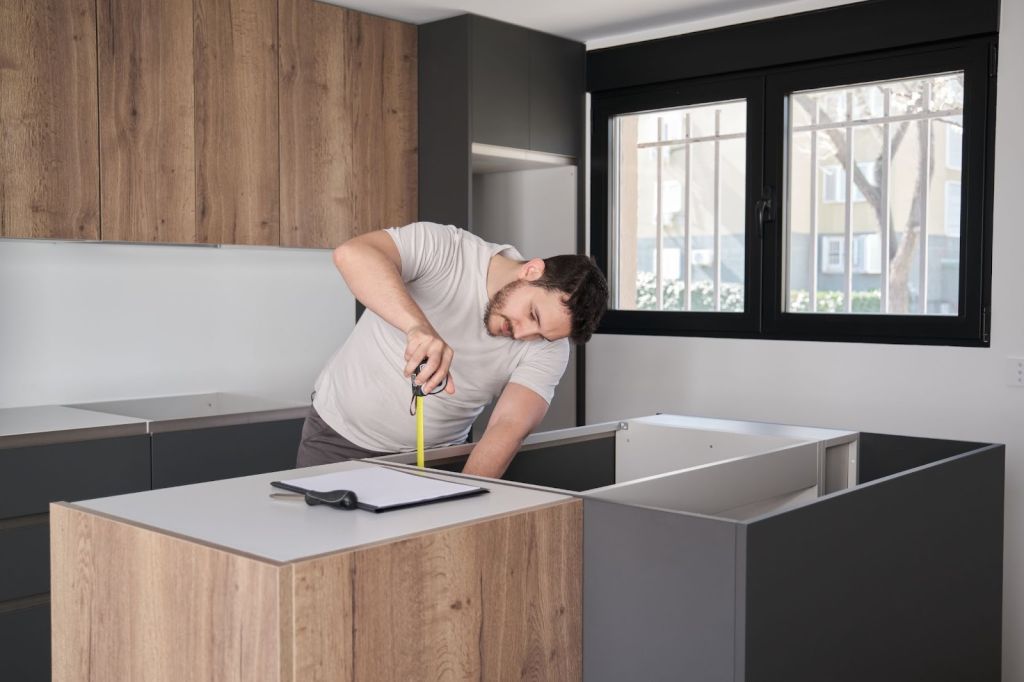
Custom woodwork begins with accurate measurements taken from the home. Builders plan around uneven walls, alcoves, and structural elements rather than ignoring them. This planning eliminates wasted inches and awkward transitions. Storage reaches areas that standard products leave untouched. Rooms feel intentional instead of pieced together. Function improves without introducing visual clutter.
Functional Advantages of Custom Wood Solutions
Custom woodworking improves how a home functions daily. Design decisions focus on real use rather than assumed behavior. Storage, circulation, and comfort all benefit from tailored construction. These improvements become noticeable through everyday routines.
Storage Built Around Real Household Needs
Custom storage reflects how each household lives. Kitchens prioritize the tools and supplies most often used. Closets adapt to wardrobe size instead of forcing standard rod placement. Entry storage accommodates daily traffic patterns and seasonal items. Maintaining the organization becomes easier because everything has a defined place. This structure reduces clutter and saves time.
Improving Flow and Usability Between Rooms
Movement through a home affects comfort more than many people expect. Custom-built-in cabinetry guides circulation without blocking pathways. Low cabinetry or seating defines zones while maintaining openness. Transitions between rooms feel natural rather than forced. The home becomes easier to navigate. Daily activities require less adjustment.
Built-In Furniture That Saves Space
Built-in furniture reduces reliance on bulky standalone pieces. Desks, benches, and seating fit snugly against walls. Storage often integrates beneath surfaces without adding visual weight. Rooms feel open while remaining functional. Smaller homes benefit especially from this approach. Space works harder without feeling crowded.
How Functional Design Shapes Everyday Living
Functional improvements do more than solve visible layout problems. They influence how people move, think, and complete daily tasks at home. When storage and flow align with real habits, routines become easier to maintain. This alignment reduces friction during busy moments and supports consistency across the day. Over time, that steady ease often determines whether a remodel feels successful or quietly frustrating.
Custom Woodworking and Daily Living Efficiency
Custom woodworking influences how efficiently homeowners interact with their spaces. Poor layouts create repeated decision points that drain attention and time. Well-designed wood features quietly remove those friction points. Daily routines feel smoother when the environment supports them naturally.
Reducing Decision Fatigue Through Intentional Design
Decision fatigue builds when people face too many small choices throughout the day. Kitchens with unclear storage placement force repeated adjustments. Custom cabinetry assigns a clear purpose to each drawer and shelf. Tools return to the exact location consistently. This consistency reduces mental effort during daily tasks. Over time, routines feel calmer and more predictable.
How Physical Order Supports Mental Focus
Visual clutter competes for attention in subtle ways. Built-in wood storage conceals items that would otherwise remain exposed. Clear surfaces support concentration and ease. Workspaces feel more usable when distractions are limited. The home supports focus rather than competing with it. Mental clarity improves alongside physical order.
Designing for Habit Formation Instead of Correction
Many homes require occupants to repeatedly correct poor design. Shoes pile up when entry storage fails to match behavior. Paper clutter grows when workspaces lack defined zones. Custom woodworking supports habits by design rather than reminders. Storage appears exactly where behavior occurs. The home reinforces order naturally.
Design Benefits of Custom Woodworking
Custom woodworking strengthens a home’s visual identity. Wood introduces warmth and texture that manufactured materials often lack. Design choices feel deliberate rather than generic. The result reflects personal taste while maintaining cohesion.
Creating Consistent Design Across Rooms
Custom millwork connects spaces through shared finishes and details. Trim, shelving, and cabinetry echo each other visually. Open layouts benefit from this continuity. Transitions between rooms feel smooth and intentional. The home presents a unified design language. Nothing feels disconnected.
Expressing Personal Style Through Craftsmanship
Custom woodworking allows homeowners to move beyond trends. Wood species, profiles, and finishes reflect individual preference. Subtle details communicate personality without overpowering a space. Design choices feel thoughtful rather than temporary. The space gains character over time. Personal style remains visible.
Adding Depth and Texture to Flat Surfaces
Flat walls often feel incomplete after remodeling. Wood paneling or shelving adds dimension and variation. Grain patterns introduce natural texture. Light interacts differently with layered surfaces. Rooms feel warmer and more inviting. Visual depth improves comfort.
High-Impact Areas for Custom Wood Features
Certain rooms benefit most from custom woodworking. These areas are frequently used and receive visual focus. Tailored solutions improve durability and comfort. Homeowners notice the difference quickly.
Custom Woodworking in Kitchen Remodeling
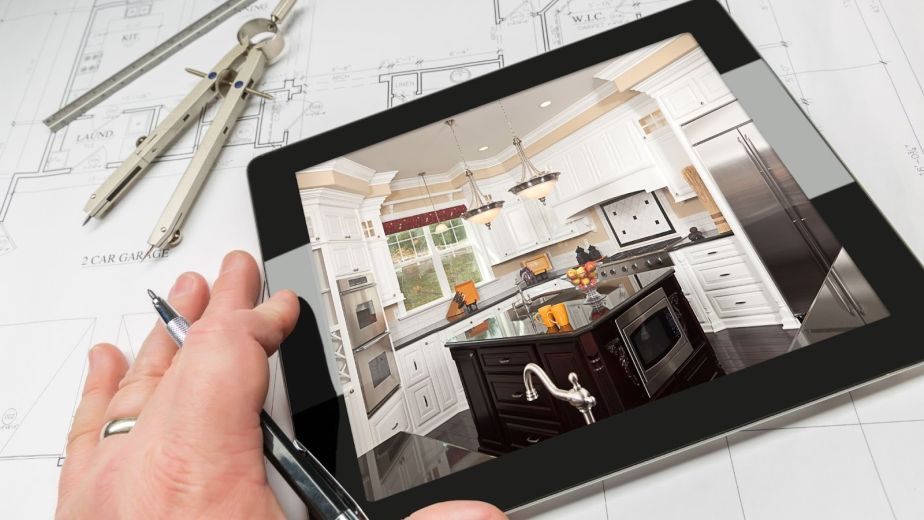
Custom kitchen cabinetry supports efficient daily use. Drawers match cookware and appliance sizes. Pantry storage reflects actual shopping habits. Counter heights align with household needs. Materials withstand frequent wear. Kitchens feel practical without rigidity.
Custom Wood Elements in Bathroom Design
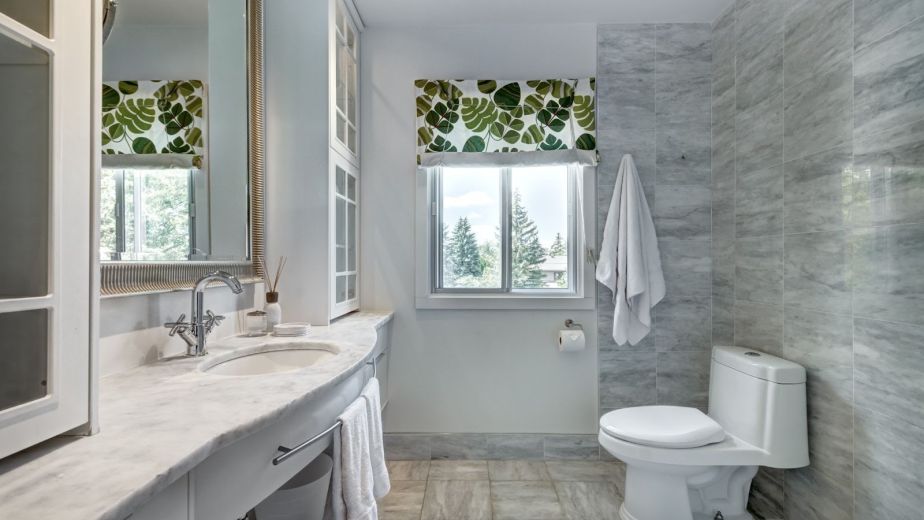
Wood vanities add warmth to tile-heavy bathrooms. Moisture-resistant finishes protect surfaces. Storage reduces clutter around sinks. Shelving and mirrors fit available wall space precisely. Bathrooms feel calmer and better organized. Daily routines become smoother.
Living Spaces Enhanced by Built-In Woodwork
Built-in shelving frames entertainment areas cleanly. Fireplaces gain presence through wood surrounds. Storage conceals cables and devices. Rooms feel organized and welcoming. Furniture placement improves naturally. Living spaces support relaxation.
Durability and Long-Term Value of Custom Woodwork
Custom woodworking delivers durability beyond mass-produced options. Skilled joinery and quality materials extend lifespan. Maintenance demands decrease over time. Homeowners gain lasting performance.
Craftsmanship That Handles Daily Wear
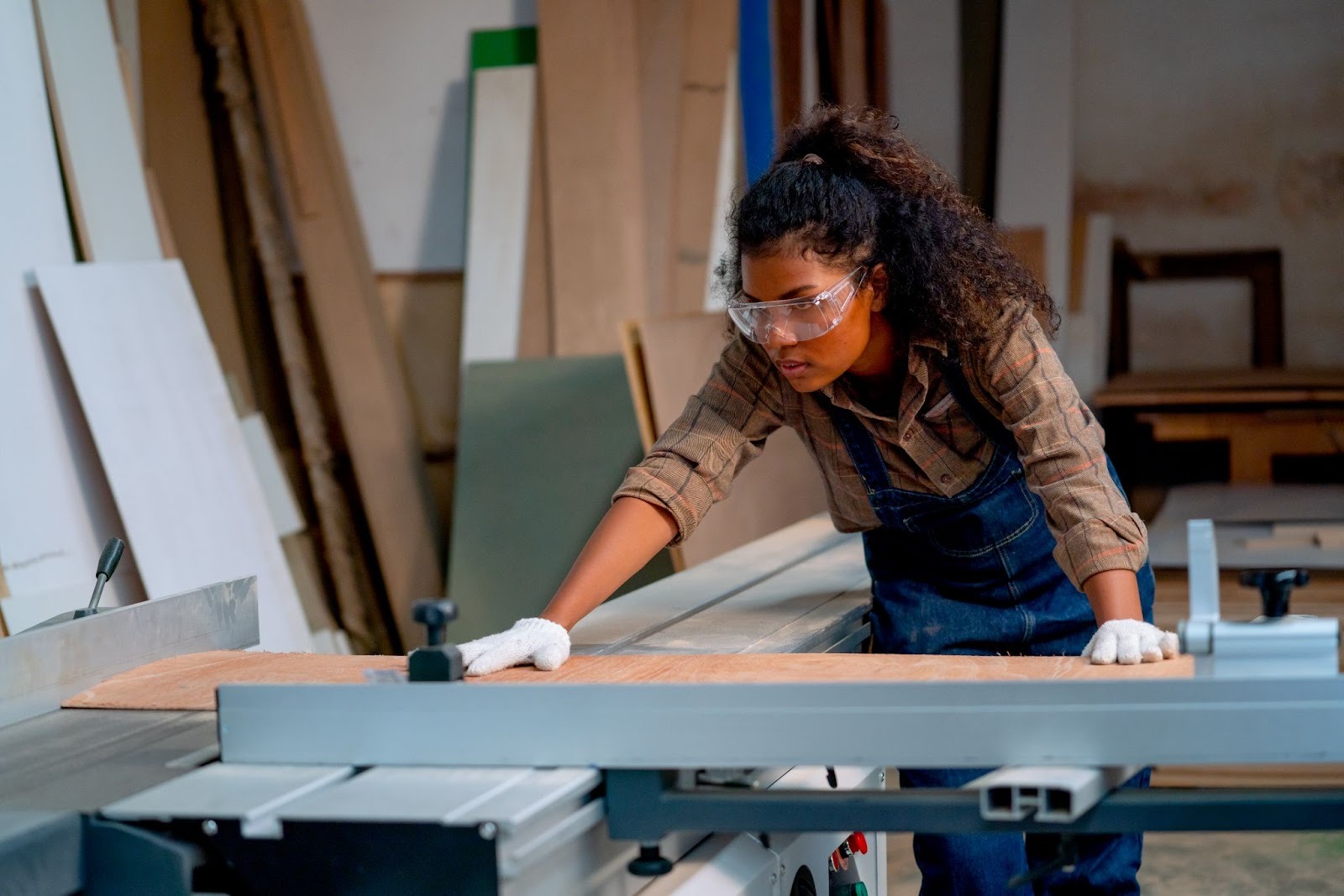
Custom pieces rely on proven construction methods. Builders select materials carefully for each application. Components fit tightly and securely. Repairs remain possible if damage occurs. Pieces age gracefully. Longevity reduces replacement needs.
Reduced Maintenance Over Time
Well-finished wood resists moisture and wear. Proper installation prevents shifting and gaps. Cleaning remains straightforward. Surfaces retain their appearance longer. Homeowners spend less time addressing issues. Reliability builds confidence.
Added Appeal for Future Buyers
Homes with custom wood features attract attention. Buyers recognize thoughtful storage and finishes. Craftsmanship suggests care and quality. Spaces photograph well for listings. Homes feel move-in ready. Market appeal improves.
Collaboration With Custom Woodworking Professionals
Successful custom woodworking depends on collaboration. Homeowners provide goals and preferences. Professionals translate those ideas into workable designs. Clear communication supports better outcomes.
From Ideas to Practical Wood Designs
Design consultations clarify priorities early. Woodworkers offer solutions grounded in experience. Drawings help visualize outcomes accurately. Adjustments occur before construction begins. Expectations align clearly. Planning prevents surprises.
Coordinating Custom Woodwork With Remodeling
Custom woodwork integrates with other trades. Builders coordinate with electricians and plumbers. Measurements account for fixtures and appliances. Installation timing affects progress. Coordination prevents delays. Projects stay organized.
Precision Installation and Final Detailing
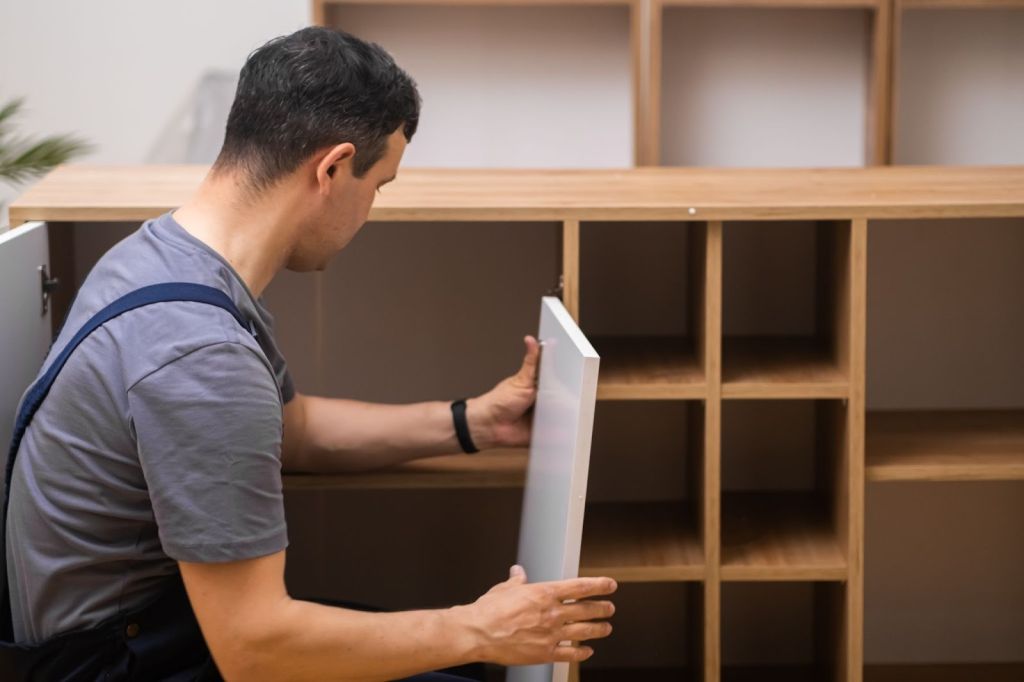
Installation demands accuracy and care. Wood pieces adjust to site conditions. Fit and finish receive focused attention. Trim conceals seams cleanly. Final details complete the look. Quality becomes visible.
Custom Woodworking Choices That Shape Results
Every design decision influences the outcome. Material selection affects durability and upkeep. Planning balances budget and customization. Thoughtful choices guide success.
Selecting Wood Species and Finishes
Different woods suit different environments. Hardwoods resist wear in busy areas. Softer woods serve accent purposes well. Finishes protect surfaces and highlight grain. Choices influence maintenance needs. Professional guidance helps avoid errors.
Balancing Budget With Custom Design
Custom woodworking adapts to budget priorities. Key areas receive focus first. Simpler profiles control costs effectively. Value comes from fit and longevity. Planning prevents overspending. Results remain satisfying.
Invest in Custom Woodworking That Works Every Day
Custom woodworking rewards homeowners who value comfort, clarity, and long-term usability in their homes. Thoughtfully designed wood features reduce daily friction and bring order to spaces that once felt compromised. Over time, these choices influence how a home supports routines, focus, and ease without constant adjustment. Working with skilled professionals allows homeowners to shape spaces that respond to real life rather than forcing change. The result is a home that feels considered, capable, and ready to support how people actually live.
Explore more insights on thoughtful remodeling and custom craftsmanship on the Behan Builders blog.