
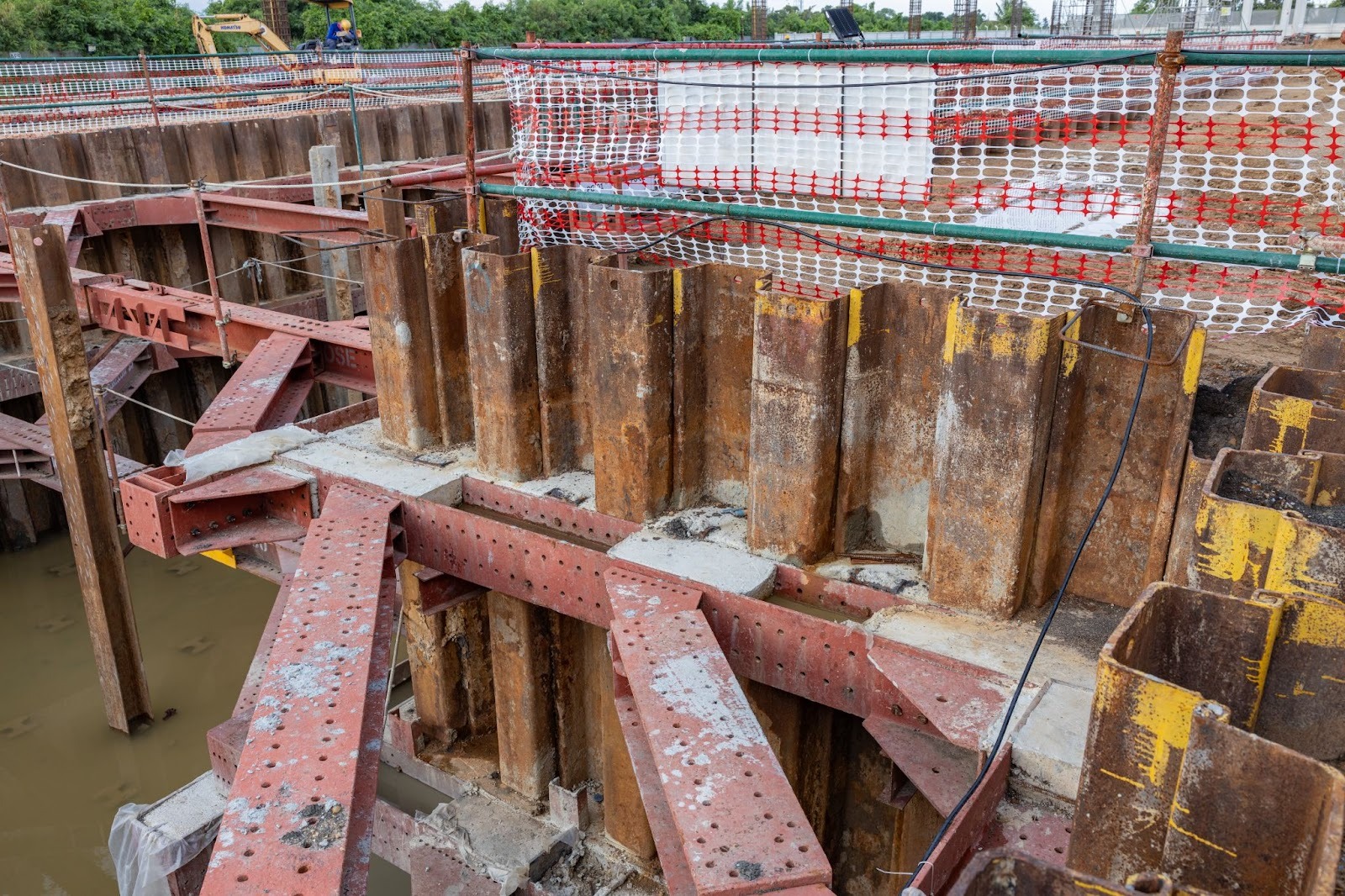
Earthquakes place uneven stress on homes, often revealing weaknesses that stay hidden for decades. Many residential structures were built before seismic safety standards reflected the reality of earthquake behavior. Seismic retrofitting addresses this gap by strengthening how a home connects, resists movement, and transfers force. These upgrades reduce structural damage and help homes remain standing after strong shaking. Homeowners increasingly see seismic retrofitting as a practical step toward long-term stability.
What Seismic Retrofitting Means for Homeowners
Seismic retrofitting involves reinforcing existing parts of a home to improve earthquake performance. Instead of changing the layout, the work focuses on structural connections that control movement. Most upgrades occur in crawl spaces, garages, or basements. These changes improve safety while preserving daily living conditions.
How Seismic Retrofitting Protects a House
Seismic retrofitting protects a house by creating a continuous structural load path. That load path allows earthquake forces to travel safely from the roof to the foundation. Without these connections, different parts of the home move independently. This uneven motion causes cracking and structural separation. Retrofitting strengthens joints that often fail first. As a result, the structure responds more predictably during shaking.
Why Do Older Homes Face a Higher Seismic Risk
Older homes often rely on outdated framing and foundation connections. Many were built before anchor bolts and wall bracing became standard. During an earthquake, these homes shift more aggressively. Even moderate shaking can cause severe damage. Seismic retrofitting corrects these weaknesses directly. That correction reduces repair costs after seismic events.
How Seismic Codes Influence Retrofit Decisions
Building codes change after damaging earthquakes reveal construction flaws. Newer homes reflect these lessons through improved standards. Older homes are unlikely to meet current seismic standards. Seismic retrofit bridges that gap without rebuilding. Local jurisdictions often encourage upgrades in high-risk areas. Code-aligned improvements improve safety and resale confidence.
How Earthquakes Affect Residential Structures
Earthquakes affect homes by pushing them back and forth in rapid cycles. Residential construction typically resists vertical weight better than horizontal force. When shaking begins, stress concentrates at weak connections. Structural failure follows predictable patterns.
What Ground Motion and Lateral Force Mean
Earthquake motion applies force in multiple horizontal directions. These forces strain joints not designed for repeated side movement. Nails loosen, bolts bend, and framing shifts. Over time, small failures compound. Walls, racks, and floors drift out of alignment. Seismic retrofitting limits this damage by reinforcing vulnerable points.
Why Houses Slide Off Their Foundations
Many homes sit on foundations without mechanical anchoring. Friction alone cannot resist strong seismic forces. When shaking starts, the structure moves while the foundation stays fixed. This separation damages framing and utility lines. Gas leaks and fires often follow. Retrofitting prevents this movement by securing the structure to the foundation.
How Soil Conditions Worsen Earthquake Damage
Soil type influences how seismic energy travels. Soft soil amplifies ground motion. Liquefaction can temporarily weaken soil. Homes lose support during this process. Foundations tilt or sink as a result. Retrofit designs often adjust for these conditions.
How the Seismic Retrofitting Process Works
Seismic retrofitting follows a structured sequence designed for reliability. Each phase builds on the previous step. Skipping steps reduces overall effectiveness. A consistent process supports long-term performance.
Structural Inspections and Risk Assessment
The process begins with a detailed inspection of the home. Inspectors examine foundations, framing, and crawl spaces. They identify missing anchors and weak walls. Engineers often review findings for accuracy. This evaluation determines the retrofit scope. Accurate assessments prevent unnecessary work.
Engineering Plans and Construction Details
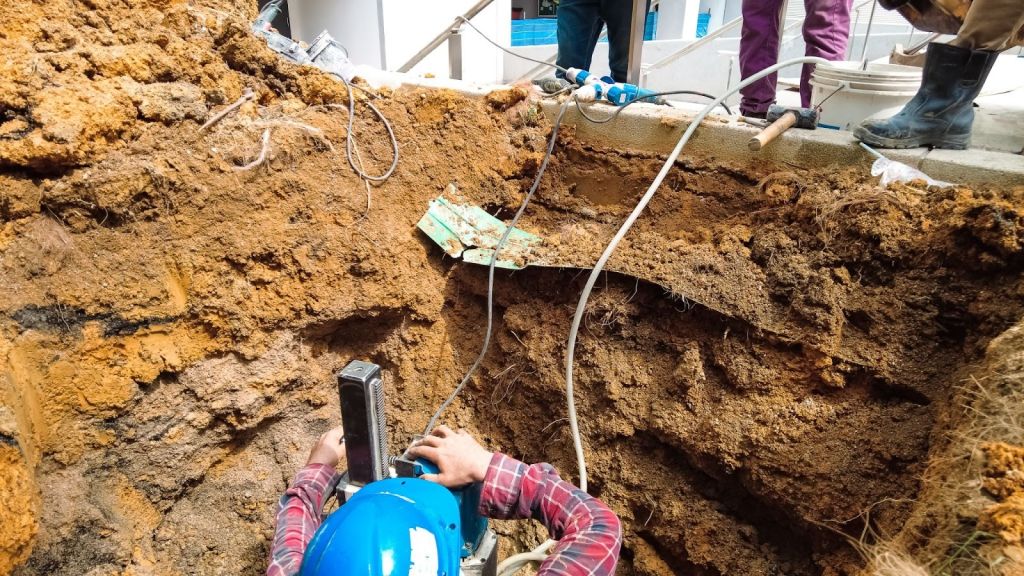
Engineering plans convert inspection findings into precise instructions. These plans specify materials, spacing, and reinforcement locations. Calculations account for expected seismic forces. Contractors rely on these details during installation. Proper planning avoids overbuilding or underperformance. Approved plans also support permitting.
Permits, Approvals, and Inspections
Local authorities review retrofit plans before construction begins. Permits confirm compliance with seismic standards. Inspectors verify proper installation during work. This oversight protects homeowners from shortcuts. Documentation remains valuable for insurance and resale. Compliance improves long-term confidence.
Common Seismic Retrofitting Techniques Used Today
Seismic retrofitting relies on proven reinforcement methods. Contractors select techniques based on structure and risk exposure. Each method targets a specific weakness. Together, they improve overall stability.
Foundation Bolting and Anchoring Systems
Foundation bolting secures the home to its concrete base. Steel bolts resist lateral movement during shaking. Proper spacing distributes stress evenly. Large washers increase grip strength. This system prevents sliding. Foundation anchoring forms the retrofit foundation.
Cripple Wall Bracing and Reinforcement
Cripple walls sit between foundations and first floors. These walls often fail during earthquakes. Retrofit contractors reinforce them with plywood sheathing. Precise nailing patterns provide stiffness. Reinforced walls maintain alignment. This upgrade greatly improves performance.
Shear Walls for Lateral Resistance
Shear walls resist horizontal movement through rigid construction. These walls redirect seismic forces downward. Plywood panels typically form these systems. Strategic placement maximizes effectiveness. Shear walls reduce sway. This control limits structural damage.
Soft-Story Retrofitting Solutions
Soft-story homes have open lower levels. Garages often create this condition. Upper floors collapse without adequate support. Steel frames or reinforced walls restore load paths. Proper installation improves safety. These solutions address severe risk.
Materials Used in Seismic Retrofitting Projects
Material selection affects the durability and performance of retrofits. Each component serves a specific role. Quality materials withstand repeated stress. Compatibility with existing construction remains critical.
Steel Connectors and Framing Hardware
Steel connectors fasten framing securely. These components resist tension and shear. Protective coatings reduce corrosion. Proper installation maintains alignment. These connectors reinforce weak joints. Contractors rely on their durability.
Plywood Panels and Engineered Wood Systems
Plywood panels add stiffness and strength. Contractors install them using approved fastening patterns. Thickness varies by load requirements. Engineered panels outperform older boards. These materials distribute forces evenly. Plywood remains widely used for reliability.
Living Through a Seismic Retrofitting Project
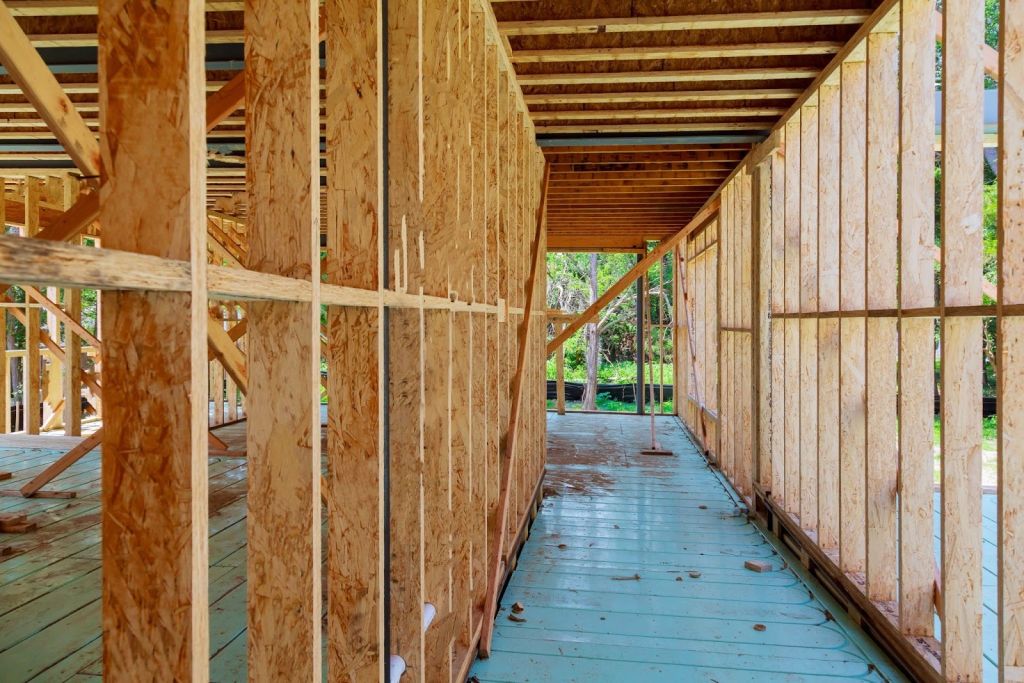
Most seismic retrofitting projects cause limited disruption. Work stays confined to specific areas. Clear communication improves the experience. Preparation supports smoother execution.
Construction Timelines and Daily Impact
Many retrofits finish within several days. Larger homes may require more time. Crews schedule work to limit disruption. Noise occurs during drilling. Dust control protects living spaces. Daily cleanup keeps areas usable.
Safety Measures During Retrofit Work
Contractors follow strict safety protocols. Protective equipment remains standard. Utility shutoffs may occur briefly. Work zones stay clearly marked. Inspections verify secure connections. These measures protect everyone involved.
Cost Factors in Seismic Retrofitting Projects
Seismic retrofitting costs vary by property. Several factors influence pricing. Understanding these variables improves planning. Precise estimates reduce uncertainty.
What Influences Seismic Retrofit Pricing
Home size affects material needs. Foundation type impacts labor complexity. Accessibility influences installation time. Regional labor rates vary. Additional repairs increase the scope. Accurate inspections limit surprises.
Incentives, Insurance, and Long-Term Value
Some regions offer retrofit incentives. Insurance providers may lower premiums. Retrofitted homes attract informed buyers. Documentation supports disclosures. Reduced damage lowers repair costs. Value extends beyond construction.
Existing Structural Condition and Prior Modifications
The age and condition of a home often shape retrofit costs more than homeowners expect. Older structures may contain wood rot, cracked concrete, or previous unpermitted work. These issues must be corrected before reinforcement can begin. Addressing hidden damage adds labor and materials. Structural preparation supports proper load transfer. This preparatory work protects retrofit performance.
Crawl Space and Basement Accessibility
Accessibility strongly affects labor efficiency and pricing—narrow crawl spaces or low clearances slow installation. Crews may need to remove debris or excavate soil. Limited access increases safety precautions. These adjustments add time to the project. Improved access often improves installation quality.
Soil Behavior and Site-Specific Conditions
Soil conditions influence how seismic energy reaches a home. Loose or expansive soils amplify movement. Liquefaction-prone areas often require stronger anchoring systems. Engineers adjust designs based on soil reports. These adjustments increase material and engineering costs. Site conditions directly affect pricing.
Local Seismic Risk and Code Requirements
Homes in higher-risk seismic zones face stricter requirements. Local building codes may mandate additional bracing or hardware. These requirements reflect expected ground motion. More demanding standards increase construction scope. Compliance protects safety and resale value. Code alignment influences overall cost.
Engineering, Permitting, and Inspection Fees
Administrative costs are included in total retrofit pricing. Engineering reports guide structural decisions. Permit fees vary by municipality. Some cities require multiple inspections. These fixed costs apply regardless of project size. Precise estimates should include these items.
Scope of Retrofit Selected
The chosen retrofit scope directly affects cost—basic foundation bolting costs less than comprehensive reinforcement. Adding shear walls or soft-story solutions increases protection. Broader scope improves performance. Each added system raises material and labor needs. Scope decisions balance risk and budget.
How Seismic Retrofitting Holds Up Over Time
Seismic retrofitting does not end when construction finishes. The long-term performance of a retrofit depends on how the home changes afterward. Many homeowners unintentionally weaken reinforced systems through later modifications. Understanding this relationship protects the investment and preserves structural integrity.
How Renovations Can Affect Retrofit Performance
Home renovations often alter structural elements without considering seismic load paths. Removing walls, widening openings, or modifying framing can disrupt reinforced connections. Even small changes may reduce lateral resistance if they affect shear walls or anchor points. Contractors unfamiliar with seismic systems may overlook these consequences. Homeowners should disclose retrofit details before renovations begin. Coordination prevents weakening previously strengthened areas.
Why Stored Items and Finishes Matter Structurally
Heavy storage in crawl spaces and garages adds unexpected loads. These added weights change how forces distribute during shaking. Finishes like drywall, tile, and masonry veneers also affect mass. Increased mass raises seismic demand on the structure. Retrofitting calculations assume specific weight conditions. Keeping changes within reasonable limits supports performance.
The Importance of Documenting Retrofit Work
Retrofit documentation often gets misplaced after construction. This documentation includes engineering plans, permits, and inspection records. Future contractors rely on these details to avoid damaging reinforced areas. Insurance providers may request proof after an earthquake. Clear records support resale disclosures. Proper documentation preserves value and safety.
Maintenance Considerations for Reinforced Components
Seismic retrofitting components require occasional inspection. Moisture, corrosion, or pest activity can degrade materials. Anchor bolts and steel connectors should remain accessible. Crawl space conditions affect long-term durability. Homeowners should address leaks and drainage promptly. Periodic checks maintain reliability.
How Utility Upgrades Interact With Seismic Systems
Plumbing, electrical, and HVAC upgrades often pass through reinforced areas. Drilling or cutting without guidance can weaken critical connections. Contractors should avoid shear walls and anchor zones. Seismic gas shutoff valves complement retrofitting but require coordination. Utility changes should respect structural boundaries. Careful planning avoids unintended damage.
Reinforce Your Property Through Seismic Retrofitting
Seismic retrofitting gives homeowners a way to shape outcomes rather than react to damage. Earthquakes place immediate demands on structures, and reinforced connections decide how a home responds under stress. Properties strengthened with the intention of retaining usability, value, and confidence when conditions turn unpredictable. The choice to retrofit reflects foresight and responsibility toward both the home and the people who rely on it.
Thoughtful construction starts with informed homeowners. Discover in-depth resources and updates on the Behan Builders blog.