
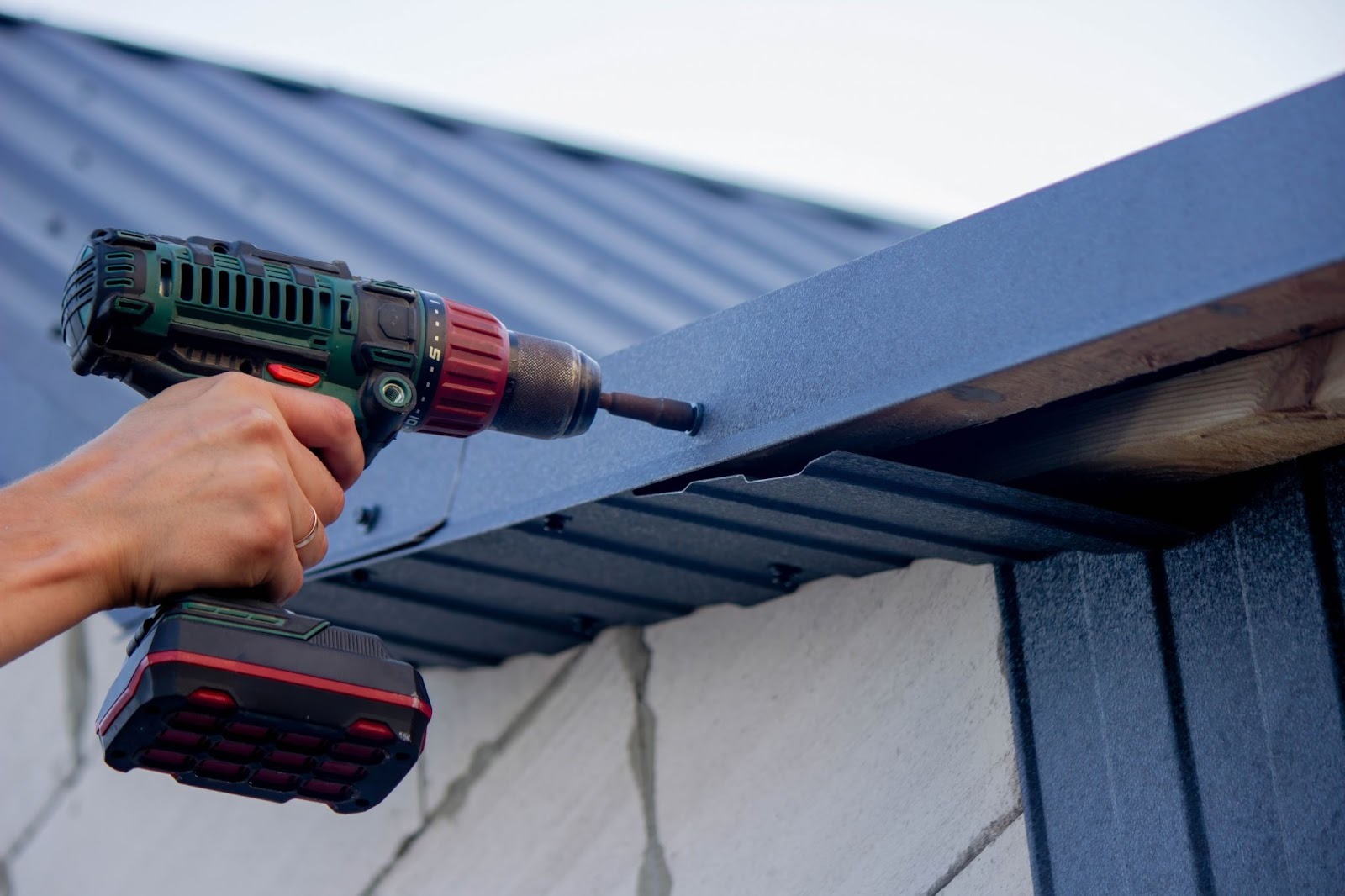
A roofing service usually becomes a concern when a roof begins to show wear or no longer adequately protects the home. Homeowners often expect a straightforward price, yet estimates can differ widely between contractors. Those differences can feel frustrating without a clear explanation of what shapes the cost. Roofing work involves materials, skilled labor, safety planning, and compliance with local requirements. When these elements come together, pricing follows a practical logic rather than guesswork.
What Shapes Roofing Service Costs
A roofing service cost represents the total effort required to repair, replace, or protect a roof system. That total reflects materials, labor hours, safety measures, and administrative requirements tied to local codes. Homeowners who understand these components can better judge whether a quote makes sense. Practical knowledge also reduces the risk of choosing services based solely on price.
Why Roofing Service Prices Vary by Project
Roofing service prices vary because every roof presents different physical conditions and challenges. Roof size, pitch, and layout directly influence how long a crew must work and how much material they need. A compact, single-story roof usually costs less than a complex structure with steep angles and limited access. Weather exposure and previous repairs can further affect labor time. Contractor experience also influences pricing, since trained crews factor reliability into their rates. These combined elements explain why no two roofing estimates look identical.
National Roofing Costs Versus Local Pricing
National roofing cost averages provide a general reference but rarely reflect real project totals. Local pricing responds to labor demand, permit fees, and regional material availability. Urban areas often carry higher rates due to overhead and competition among contractors. Rural regions may offer lower labor costs but fewer service options. Climate conditions also affect pricing through material selection and installation timing. For accurate budgeting, homeowners benefit more from local estimates than national statistics.
Roofing Service Types and Typical Price Ranges
Roofing service pricing depends mainly on the type of work required. Inspections, repairs, and replacements each involve different levels of effort and risk. Understanding these distinctions helps homeowners compare estimates fairly. Clear service categories also prevent misunderstandings during project planning.
Roof Inspections and Diagnostic Services
Roof inspections are among the most affordable roofing services. These inspections focus on identifying leaks, aging materials, and hidden structural concerns. Contractors may use visual checks or drone technology, depending on access and roof design. Costs increase slightly with roof size and inspection depth. Inspection reports help homeowners logically prioritize future repairs. Regular inspections often reduce unexpected expenses over time.
Minor Roof Repairs and Maintenance Work
Minor roofing repairs address isolated problems before they grow. Typical repairs include replacing damaged shingles, fixing flashing, and sealing penetrations. These services cost less than extensive repairs because they limit the amount of material used. Labor accounts for most of the expense in repair pricing. Accessibility and roof slope influence how long the work takes. Timely repairs often prevent broader structural damage.
Full Roof Replacement Costs
Roof replacement involves removing old materials and installing a new roofing system. This scope explains why replacement costs exceed repair pricing. Estimates depend on roof size, material choice, and debris disposal needs. Complex designs require more labor and detailed safety planning. Weather conditions can extend project timelines. Replacement pricing reflects both durability goals and installation demands.
Emergency Roofing Service Pricing
Emergency roofing service pricing reflects urgency and elevated risk. Sudden leaks or storm damage often require immediate attention. Contractors adjust schedules and mobilize crews quickly in these situations. Temporary repairs usually stabilize the roof before permanent solutions follow. After-hours work increases labor costs. Emergency pricing reflects response speed rather than material volume alone.

Roofing Materials and Cost Differences
Roofing materials influence both cost and long-term performance. Homeowners often balance initial expense against expected lifespan. Material weight, durability, and installation method all affect pricing. Understanding these differences helps align budget decisions with performance goals.
Asphalt Shingles and Budget-Friendly Roofing
Asphalt shingles remain popular because they balance cost and reliability. These shingles install efficiently and suit many architectural styles. Material costs remain lower than those of premium options. Lifespans typically range from fifteen to thirty years. Repairs remain straightforward and affordable. Wide availability also helps stabilize pricing.
Metal Roofing Cost and Durability Value
Metal roofing costs more upfront but delivers extended durability. These systems effectively resist wind, fire, and moisture. Installation requires trained crews and specialized tools. Energy efficiency may reduce cooling expenses over time. Metal roofs often last several decades. That longevity helps offset higher initial costs.
Tile and Slate Roofing Price Considerations
Tile and slate roofing offer a long lifespan and a distinct appearance. These materials weigh more and often require structural evaluation. Installation complexity raises labor costs. Material sourcing can also affect price consistency. Repairs may require specialized replacement pieces. Homeowners choose these options for durability rather than budget simplicity.
Roofing Material Compatibility and Cost Risks
Roofing service costs increase when new materials must integrate with older systems. Compatibility issues arise when repairs or partial replacements involve different product generations. Many homeowners overlook this factor because incompatibility often stays hidden after installation. Understanding how materials interact protects both the budget and the roof’s lifespan.
Why Old and New Roofing Materials May Clash
Roofing materials evolve in composition, thickness, and fastening methods. Older underlayments may not seal correctly with newer shingles or membranes. This mismatch can allow moisture intrusion even when the installation looks correct. Contractors may need additional layers or adapters to bridge the gap. Those adjustments raise labor and material costs. Compatibility planning prevents premature failure caused by unseen weak points.
Warranty Limitations Linked to Material Mismatch
Manufacturers design roofing systems to work as unified assemblies. Mixing brands or product lines can void warranty coverage. This limitation means future defects may become out-of-pocket expenses. Roofing contractors often recommend full-system upgrades to preserve warranty protection. While that approach raises upfront cost, it reduces long-term financial risk. Homeowners benefit when compatibility aligns with manufacturer guidelines.
Partial Repairs Versus System-Wide Solutions
Partial roofing repairs seem cost-effective at first glance. However, material incompatibility can shorten the lifespan of surrounding components. A new section may wear unevenly next to older materials. That uneven aging increases the likelihood of repeat service calls. In many cases, system-wide updates deliver better cost efficiency over time. Evaluating compatibility helps homeowners avoid repeated repair cycles.
How Contractors Price Compatibility Adjustments
Contractors account for compatibility challenges during estimate preparation. Additional materials, sealants, or reinforcement steps increase labor time. These adjustments explain why repair quotes sometimes approach replacement pricing. Transparent contractors explain compatibility concerns upfront. This clarity helps homeowners understand value rather than questioning price. Compatibility planning reflects professional responsibility, not inflated pricing.

Labor Costs in Roofing Service Estimates
Labor forms a substantial portion of roofing service pricing. Skilled work requires training, coordination, and strict safety standards. Contractors account for crew size and project duration when pricing labor. Reliable craftsmanship protects roof performance for years.
Skilled Roofing Crews Versus Low-Cost Bids
Skilled roofing crews charge more because they bring experience and accountability. Training and safety practices improve efficiency and accuracy. Lower-cost bids may reflect shortcuts or limited expertise. Poor craftsmanship often leads to repeated repairs. Experienced crews communicate timelines and expectations clearly. That reliability supports higher labor pricing.
Licensing and Insurance in Roofing Costs
Licensed roofing contractors follow building codes and legal standards. Insurance coverage protects workers and homeowners during the project. These protections carry operating costs reflected in estimates. Permit handling also adds administrative labor. Proper documentation reduces liability concerns. These safeguards support professional pricing.
Roofing Warranties and Workmanship Coverage
Roofing warranties add tangible value to service pricing. Manufacturers cover material defects under specific conditions. Contractors may also guarantee installation quality. Warranty-backed work requires documented standards. Lower-priced services often exclude these protections. Coverage costs reflect confidence in long-term results.
Roof Design and Structural Cost Factors
Roof design directly affects the complexity of roofing services. Structural features influence safety requirements and labor time. Contractors evaluate these factors before finalizing estimates. Understanding design impact clarifies pricing differences.
Roof Pitch and Safety Requirements
Steep roof pitches increase the risk and the difficulty of labor. Contractors use harnesses and scaffolding to maintain safety. These precautions slow the installation pace. Equipment setup adds time and expense. Multi-level roofs further complicate access. Pricing adjusts to reflect these conditions.
Roof Size and Surface Area Pricing
Roof size determines the quantity of materials and the duration of labor. Contractors calculate square footage carefully. Waste allowances account for cutting and fitting needs. Larger roofs require longer installation timelines. Disposal volume also increases with size. These factors predictably scale the overall cost.
Permits and Hidden Roofing Service Costs
Roofing service costs include regulatory and cleanup expenses. Permits and inspections support legal compliance. Homeowners sometimes overlook these items during planning. Transparent estimates outline these necessary charges.
Building Permits and Inspection Fees
Building permits authorize roofing work under local codes. Municipal fees vary by location. Inspections verify correct installation at specific stages. Contractors coordinate inspection scheduling during the project. Permit costs remain modest but essential. Compliance protects property value and safety.
Roofing Material Disposal and Cleanup
Old roofing materials require approved disposal methods. Landfill fees depend on debris weight. Cleanup ensures safe and orderly property conditions. Labor includes site preparation and final clearing. Recycling options may reduce disposal costs. Professional cleanup reflects service quality.
How to Compare Roofing Service Estimates
Roofing service estimates require careful review beyond the total price. Clear line items reveal scope and value. Homeowners benefit from understanding the estimate structure. Informed comparison reduces misunderstandings.
Read Roofing Estimates Line by Line
Detailed estimates list materials, labor, and permits separately. Precise quantities prevent confusion during review. Equipment charges may appear as individual items. Transparent pricing supports trust. Homeowners should request clarification when details seem unclear. Written documentation protects both sides.
Notice Red Flags in Roofing Service Quotes
Extremely low roofing quotes often indicate potential issues. Missing license or insurance information raises concern. Pressure to commit quickly suggests unreliability. Reputable contractors provide references without hesitation. Written contracts outline payment terms clearly. Awareness helps avoid costly mistakes.
Select a Roofing Service That Protects Your Home
A roofing service should do more than fix visible problems; it should also guard against future expenses and disruption. When homeowners understand pricing logic, material compatibility, and labor quality, they gain leverage in every conversation with a contractor. That awareness leads to clearer expectations, better timing, and fewer compromises made under stress. Choosing a roofing service with intention ensures the work supports your home’s value and performance long after the crew leaves.
For deeper insights on roofing service decisions and home protection, visit the Behan Builders blog and stay informed before your next project.