Property owners often overlook the roof until leaks or structural issues appear. A dependable roof protects interiors from rain, heat, and long-term structural decay. However, roofing materials deteriorate gradually under sunlight, wind, and heavy rainfall. Subtle warning signs often appear before widespread roof failure becomes visible. Recognizing these signals helps property owners decide when roof replacement services provide the most practical solution.
When Roof Replacement Services Become Necessary
Roof deterioration rarely occurs without warning signs. Property owners often notice small changes that suggest deeper roofing problems developing overhead. These indicators may start subtly but gradually affect comfort, safety, and property value. Recognizing these warning signals helps determine when roof replacement services become the practical solution.
Aging Roof Materials and System Deterioration
Aging roofing materials often signal deeper deterioration across the entire roofing system. Years of sunlight, moisture, and temperature changes gradually weaken protective layers. As materials lose durability, the roof becomes less able to withstand exposure to the weather. Property owners who recognize signs of aging can plan structural upgrades before widespread damage occurs.
Roof Reaching Expected Lifespan
A roof nearing its expected lifespan often displays noticeable signs of wear. Most asphalt roofing systems last between twenty and thirty years under normal conditions. Property owners may observe brittle shingles, fading color, or loose edges across several sections. These changes indicate declining resistance against rain and sunlight. Roofing contractors typically examine aging roofs to evaluate structural stability. When deterioration spreads across large areas, installing a new roofing system is often the practical solution.
Frequent Repairs Signal Deeper Issues
Repeated roof repairs usually indicate problems beyond isolated damage. Property owners sometimes schedule patchwork fixes several times within one year. These temporary solutions rarely address deeper structural deterioration beneath shingles. Contractors often discover weakened decking or compromised underlayment during repeat service calls. Repair expenses can gradually accumulate without improving overall roof performance. At that stage, installing a new roofing system often provides better long-term value.
Granules Collecting in Gutters
Granules that collect in gutters often reveal surface deterioration on asphalt shingles. These mineral particles protect roofing materials from ultraviolet radiation and weather exposure. Over time, rainfall washes these granules into drainage systems along roof edges. Property owners may notice gritty debris accumulating after heavy storms. Once protective granules disappear, shingles deteriorate more quickly in sunlight. Roofing professionals usually recommend system upgrades when widespread granule loss appears.
Visible Exterior Roof Damage
Exterior damage provides clear visual evidence that roofing performance is declining. Property owners often detect early warning signs during routine ground inspections. Distorted surfaces or missing materials typically indicate deeper structural problems beneath the roof. Addressing these issues promptly helps prevent interior water damage and costly structural repairs.
Curling or Buckling Shingles
Curling shingles indicate heat damage or trapped moisture beneath roofing layers. Healthy shingles should lie flat and create a continuous protective barrier. When edges begin curling upward, water can slip beneath the roofing surface. Strong winds can also lift curled shingles, exposing the roof deck. Property owners may notice uneven textures across multiple roof sections. Widespread curling usually signals advanced deterioration of the material.
Missing or Broken Shingles
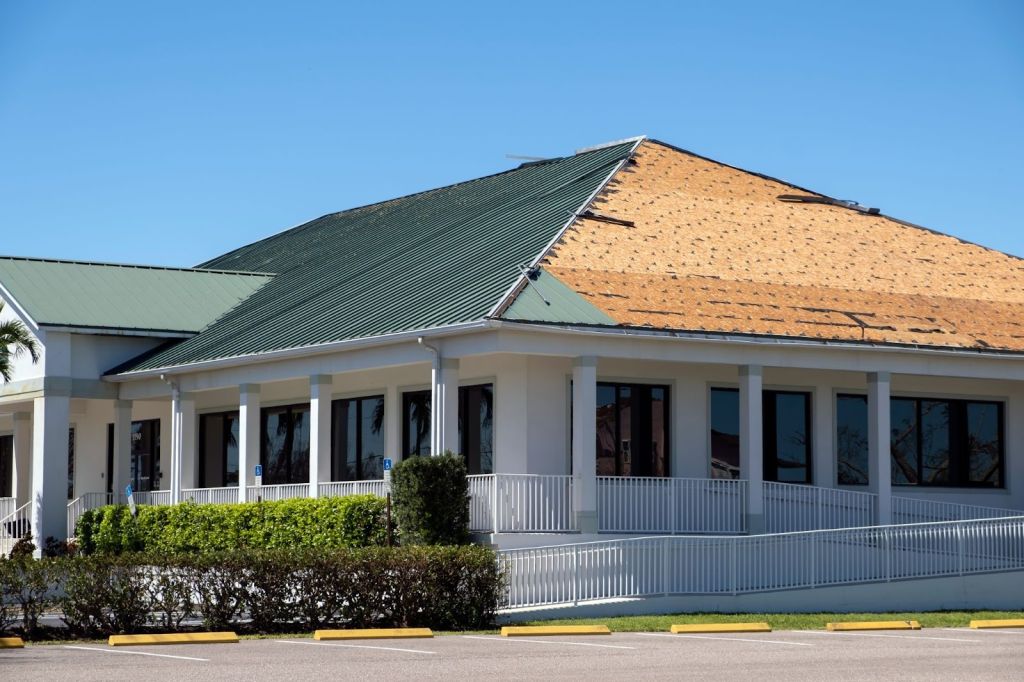
Missing shingles expose the roof deck and underlayment beneath protective layers. Strong winds, hail, or falling debris commonly dislodge roofing materials. Even small gaps allow rainwater to enter the roofing structure. Moisture may spread beneath surrounding shingles and weaken nearby sections. Property owners sometimes find scattered shingles after storms. Extensive shingle loss often indicates broader instability in the roofing.
Sagging Roof Structure
A sagging roofline often signals structural deterioration beneath the surface. Roof decking can weaken over time due to moisture infiltration. Property owners may observe dips forming along ridges or sloping roof sections. These distortions usually worsen during prolonged rainfall. Contractors often inspect attic framing to determine structural integrity. Structural sagging frequently requires substantial roofing system upgrades.
Indoor Signs of Roof Failure
Interior symptoms often reveal roofing problems before exterior damage becomes obvious. Water infiltration typically leaves visible evidence inside ceilings or attic spaces. Property owners should treat interior moisture indicators as serious structural warnings. Addressing roofing deterioration promptly prevents long-term interior damage.
Ceiling Water Stains
Ceiling stains often appear when water penetrates compromised roofing layers. These stains typically form as brown or yellow patches after rainfall. Property owners sometimes repaint ceilings without repairing the leak above. This cosmetic solution rarely prevents moisture from returning during future storms. Continuous water exposure gradually weakens drywall and insulation. Roofing professionals usually trace these stains to structural damage on the roof.
Mold Growth in Attics
Mold growth in attic spaces usually develops when moisture remains trapped. Roof leaks often create the damp conditions that support mold growth. Property owners may detect musty odors or dark spots along wooden beams. Mold colonies can spread quickly in humid attic environments. This growth may also affect indoor air quality within the property. Contractors frequently investigate roofing systems when attic mold appears.
Peeling Paint or Warped Surfaces
Peeling paint near ceilings often indicates hidden moisture from roofing leaks. Water infiltration gradually affects drywall, wood trim, and ceiling finishes. Property owners may notice bubbling paint or warped surfaces near rooflines. These signs often appear before visible water leaks inside rooms. Contractors typically trace these symptoms back to roofing deterioration. Structural roof problems often remain hidden until interior surfaces react to moisture.
Rising Energy Costs From Roof Damage
Roof deterioration can increase energy costs by weakening insulation and ventilation performance. A compromised roofing system allows heat transfer between indoor and outdoor environments. Heating and cooling systems must operate longer to maintain comfortable temperatures. Addressing roofing damage helps restore energy efficiency throughout the property.
Poor Attic Ventilation
Poor attic ventilation often results from damaged roofing components or blocked airflow pathways. Heat may accumulate inside attic spaces during warm weather. This trapped heat gradually spreads into living areas below. Cooling systems then work harder to stabilize indoor temperatures. Property owners may notice increased electricity usage during the summer months. Roofing upgrades often improve ventilation and restore balanced airflow.
Insulation Saturated by Roof Leaks
Roof leaks frequently soak insulation beneath the roof deck. Wet insulation loses its ability to regulate indoor temperatures effectively. Property owners may experience rising heating or cooling costs as efficiency declines. Moisture can also compress insulation fibers, reducing thermal resistance. Contractors often replace damaged insulation during roofing upgrades. Restoring insulation performance improves indoor comfort and energy efficiency.
Uneven Indoor Temperatures
Uneven indoor temperatures often indicate a weakened roof. Rooms near attic spaces may feel hotter during the day. In colder seasons, warm air may escape through damaged roofing layers. Property owners sometimes adjust thermostats frequently to maintain comfort. These temperature fluctuations often originate from roofing deterioration. Improving roof integrity stabilizes indoor climate conditions.
Storm Damage That Weakens Roof Systems
Severe weather places intense stress on roofing structures throughout the year. Wind, hail, and debris can weaken materials even when damage appears minor. Repeated storms gradually erode protective roofing layers across the surface. Monitoring storm damage helps property owners identify structural risks early.
Hail or Debris Impact Damage
Hailstones can strike roofing materials with considerable force during storms. These impacts often leave dents or fractures on shingle surfaces. Property owners may overlook small marks that initially appear harmless. Over time, these damaged spots allow moisture to infiltrate beneath the shingles. Falling branches or debris can create similar impact damage. Widespread impact marks usually indicate compromised roofing protection.
Wind Damage Across Roof Sections
Strong winds can lift shingles and weaken fastening systems beneath roofing layers. Once lifted, shingles rarely reseal completely against the roof deck. Wind pressure may also loosen flashing around vents or chimneys. Property owners sometimes find loose shingles scattered across the yard after storms. This pattern often signals weakened attachment across several roof areas. Wind damage frequently spreads beyond the most visible sections.
Surface Wear After Repeated Storms
Repeated storm exposure gradually erodes protective roofing surfaces. Heavy rainfall washes away granules that shield shingles from sunlight. Wind pressure can also weaken adhesive seals along shingle edges. Property owners may notice dull textures developing across the roof surface. These signs indicate reduced resistance to future weather exposure. Long-term exposure to storms often shortens the lifespan of roofing materials.
How Delayed Roof Replacement Increases Long-Term Costs
Delayed roof replacement often results in costs that extend beyond the roofing system itself. Minor damage can gradually spread to insulation, ceilings, and structural components beneath the roof. Property owners may focus on short-term repair savings while overlooking future repair chains. Understanding these cost patterns helps property owners recognize when roofing upgrades become financially sensible.
Compounding Repair Costs Over Time
Repeated roof repairs can gradually cost more than installing a new roofing system. Property owners often address leaks or loose shingles one section at a time. These localized repairs rarely resolve structural deterioration beneath the surface. Contractors frequently return to repair nearby areas that weaken after the first fix. Over several years, service visits and material costs accumulate steadily. This pattern often results in higher total spending than replacing the roof sooner.
Interior Damage That Spreads Gradually
Roof leaks rarely remain confined to a single area of the structure. Moisture often spreads through insulation, drywall, and wooden framing. Property owners may first notice ceiling stains or peeling paint. Continued exposure allows water to reach electrical systems and flooring materials. These hidden damages increase restoration costs throughout the building interior. Roof replacement prevents ongoing infiltration that gradually damages multiple structural layers.
Insurance and Property Value Risks
Insurance providers often evaluate roof condition before issuing or renewing coverage. Aging or damaged roofs sometimes lead to higher premiums or coverage restrictions. Property inspectors may also highlight roofing problems during property sales. Buyers frequently request price reductions when roofing concerns appear in inspection reports. These financial negotiations can reduce the property’s overall market value. Replacing a deteriorating roof helps protect property value and maintain insurance eligibility.
Address Roof Damage With Expert Roof Replacement
Roof damage rarely improves without decisive action once structural wear becomes visible. Property owners who address roofing issues promptly can prevent moisture infiltration and deeper structural deterioration. Persistent leaks, sagging areas, or widespread shingle damage often indicate that repairs alone may not restore long-term protection. Professional roof replacement services restore structural reliability and improve the building’s resistance to weather exposure. A carefully planned replacement helps protect the property while stabilizing long-term maintenance costs.
Roof problems often start with small warning signs. Visit the Behan Builders blog to learn how experienced builders help property owners recognize and address roofing issues.