
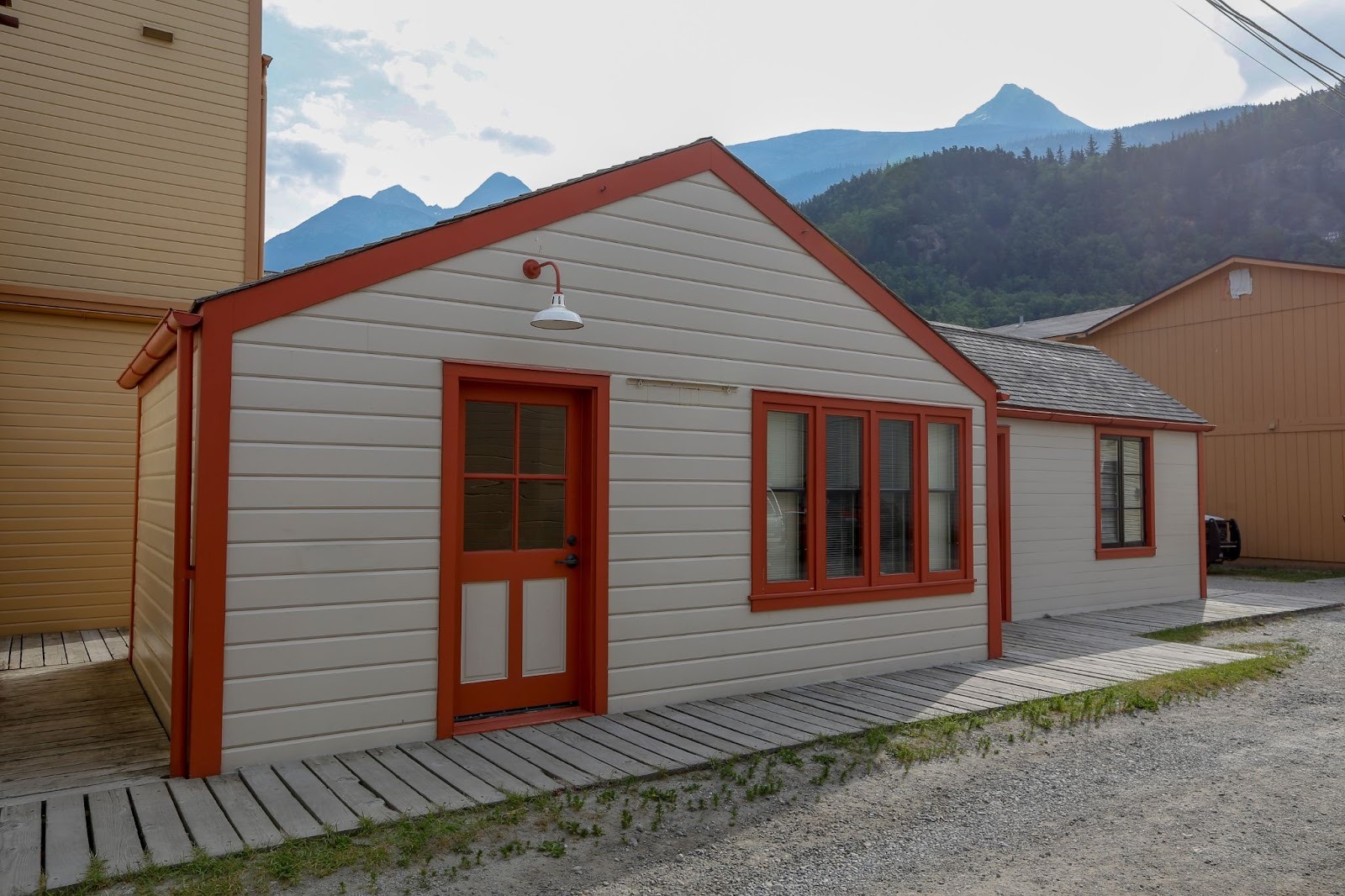
Many homeowners feel pressure as housing costs rise and space feels tighter each year. Families grow, parents age, and adult children return home more often than expected. At the same time, property owners want smarter ways to increase value without moving. You may have heard the term ADU in local planning meetings or real estate listings. Understanding what an ADU is helps you see how your property can serve multiple purposes.
What Is an ADU in Real Estate?
An ADU, or accessory dwelling unit, is a self-contained secondary home built on the same lot as a primary residence. Homeowners use these smaller housing units to create an independent living space without subdividing land. Local governments define an ADU as a legal dwelling that includes a kitchen, bathroom, and sleeping area. This definition helps cities regulate size, safety standards, and occupancy while allowing flexible residential use.
What Makes a Unit Legally an ADU?
An ADU qualifies as a separate dwelling because it provides essential facilities for independent living. It must include a fully equipped kitchen, a bathroom, and a dedicated sleeping area. Building codes also require proper ventilation, plumbing, and electrical systems. Most municipalities limit the unit’s size relative to the main house. These regulations vary by city, so homeowners must confirm details with local planning departments. The American Planning Association notes that clear zoning standards help communities expand housing without changing neighborhood character.
How an ADU Differs From a Guest Suite
An ADU differs from a guest room because it functions as a complete residence. A guest suite often lacks cooking facilities and separate utility connections. In contrast, an accessory dwelling unit allows occupants to live independently for extended periods. Zoning laws treat it as a distinct residential unit rather than extra bedroom space. This legal distinction affects permits, inspections, and rental rights. Homeowners must understand this difference before starting design plans.
Why ADUs Are Growing in Popularity
ADUs have gained traction because they address housing shortages and rising property costs. Cities across states such as California and Oregon have eased zoning restrictions to encourage construction. Homeowners see these units as practical tools for income and flexibility. This growing demand reflects both economic pressure and lifestyle shifts.
Housing Shortages and Policy Changes
Local housing shortages have pushed lawmakers to revise zoning codes. Many states now require cities to permit accessory dwelling units in residential neighborhoods. These policy updates reduce minimum lot sizes and parking mandates. As a result, more homeowners can qualify to build. According to recent state housing reports, ADU permits have increased steadily in urban areas. These trends show how public policy and private property interests now align.
Flexibility for Changing Family Needs
Families often need adaptable living arrangements as life circumstances evolve. Parents may want aging relatives nearby without sharing one roof. Adult children sometimes return home while saving for their own property. An ADU offers proximity while preserving privacy for everyone. This arrangement reduces daily stress compared to crowded shared spaces. Homeowners gain control over how their property supports family life.
Types of ADUs Homeowners Can Build
ADUs come in several structural forms that suit different lot sizes and budgets. Builders design these units as detached structures, attached additions, or converted spaces. Homeowners should review the property layout and zoning before choosing a type. This evaluation clarifies what design best fits both the land and long-term goals.
Detached Backyard ADUs
A detached ADU stands apart from the main home, often in the backyard. This layout provides strong separation between households. Builders must run separate utility lines or extend existing systems. Construction costs may rise due to new foundations and roofing. However, detached units often appeal to renters seeking privacy. These standalone cottages can also boost resale appeal in competitive markets.

Attached ADUs and Additions
An attached ADU connects directly to the primary residence through a shared wall. Contractors integrate the new space into the home’s structure. This approach can lower construction costs compared to detached builds. Utility access is simplified when lines are already nearby. Privacy can be maintained with a separate entrance and sound insulation. Homeowners with smaller lots often prefer this design.
Garage and Basement Conversions
Garage and basement conversions reuse existing square footage to create a legal dwelling. This approach reduces framing and foundation expenses. Homeowners must upgrade insulation, ventilation, and ceiling height to meet code. Some cities require replacement parking when converting garages. Basement units must comply with safety regulations for emergency exits and moisture control. These conversions offer cost-effective options for properties with unused space.
ADU Zoning and Permit Requirements
ADU construction requires compliance with local zoning laws and building codes. Municipal planning departments review design plans before issuing permits. Homeowners must comply with size limits, setback requirements, and height restrictions. This approval process protects neighborhood safety and infrastructure capacity.
Lot Size, Setbacks, and Height Limits
Cities set minimum lot sizes and maximum square footage for accessory dwelling units. Setback rules control how close structures can sit to property lines. Height limits maintain neighborhood scale and sunlight access. These requirements differ by jurisdiction, so homeowners must check local ordinances. Planning staff often guide pre-application meetings. This consultation helps prevent design revisions later.
Owner Occupancy and Rental Laws
Some cities require the property owner to live in either the main home or the ADU. Other areas allow full rental flexibility without residency rules. Short-term rental laws may differ from long-term leasing regulations. Homeowners should review the tax implications of rental income. A clear understanding of these policies helps protect against fines or permit revocation. These legal details shape the unit’s profitability.
ADU Costs and Return on Investment
ADU costs vary based on size, design complexity, and local labor rates. Detached units generally cost more than interior conversions. Homeowners must factor in design fees, permits, and utility connections. This financial planning helps measure potential return on investment.
Typical ADU Construction Costs
Building an ADU can range from moderate to high investment, depending on the location. Urban markets often report higher labor and material prices. Site preparation may involve grading, foundation work, or drainage adjustments. Interior finishes, appliances, and fixtures add to the total budget. Homeowners should request detailed contractor estimates before signing agreements. These upfront calculations reduce the risk of unexpected overruns.
Financing Options and Income Potential
Homeowners often fund ADUs through home equity loans or refinancing. Construction loans provide short-term capital during the build phase. Some states and cities offer incentive grants or fee waivers. Rental income can offset mortgage payments and property taxes. Financial advisors recommend reviewing projected cash flow before borrowing. This disciplined approach supports sustainable long-term returns.

Practical Uses for an Accessory Dwelling Unit
An ADU serves multiple purposes beyond simple rental income. Homeowners adapt these units to support their families, work, and lifestyles. Flexibility makes the accessory dwelling unit appealing across age groups. This versatility strengthens its value over time.
Multi-Generational Living Solutions
An ADU allows aging parents to live nearby while maintaining independence. Families can share daily responsibilities without crowding the main house. Adult children may use the space during career transitions. Separate entrances reduce household friction. Shared property expenses often lower overall living costs. These living arrangements support both privacy and connection.
Rental Income and Financial Stability
An ADU can generate steady monthly rental income in high-demand markets. Long-term leases often provide more stability than short-term rentals. Landlords must follow local tenant protection laws. Maintenance remains manageable due to the unit’s compact size. Income from the unit may strengthen loan qualification. These financial benefits make the property more resilient during economic shifts.
Home Office or Creative Studio Space
An ADU can function as a dedicated home office or studio. Remote professionals gain separation from household distractions. Clients can visit without entering private family areas. Creative workers benefit from a focused environment. This workspace often increases productivity and work-life balance. These practical advantages add value beyond rental revenue.
Long-Term Property Strategy With an ADU
An ADU reshapes how a property functions over decades, not just years. It influences resale appeal, estate planning, and income stability. Buyers increasingly view flexible housing as an advantage in tight markets. This long-range perspective helps homeowners make informed investment decisions.
How ADUs Affect Resale and Appraisal
An ADU can increase appraised value when built to code and properly permitted. Appraisers evaluate it based on comparable properties with similar features. In high-demand regions, buyers may pay a premium for rental-ready units. However, unpermitted conversions can reduce buyer confidence. Market conditions also shape how much value the unit adds. These valuation factors highlight the importance of compliant construction.
Estate Planning and Generational Use
An ADU creates housing options for heirs and extended family members. Families may use the unit to support aging relatives or adult children. Over time, the property can function as a multi-income asset. Estate planners sometimes consider ADUs as part of long-term wealth strategies. Rental revenue can help offset inheritance tax burdens in certain regions. This adaptability strengthens the property’s intergenerational utility.
Exit Strategies and Market Shifts
An ADU provides multiple exit options for future homeowners. Owners may continue renting the unit for supplemental income. They can convert it into private office space if rental laws change. Some buyers may prioritize flexible housing during resale negotiations. Local zoning trends also suggest gradual densification in many cities. These evolving market conditions make accessory units a forward-thinking property feature.
Plan Your ADU With Long-Term Vision
An ADU works best when you treat it as a long-range property strategy rather than a quick addition. Careful planning with experienced builders, architects, and local contractors helps you avoid costly redesigns and infrastructure surprises. Skilled ADU builders understand zoning limits, structural demands, and utility capacity before construction begins. This professional guidance protects your budget while strengthening future resale and rental potential. Evaluate your property, speak with reputable builders in your area, and decide how an accessory dwelling unit can serve your goals for years ahead.
Thoughtful planning leads to better building decisions.
Discover in-depth ADU resources and professional insights on the Behan Builders blog before you begin your next project.