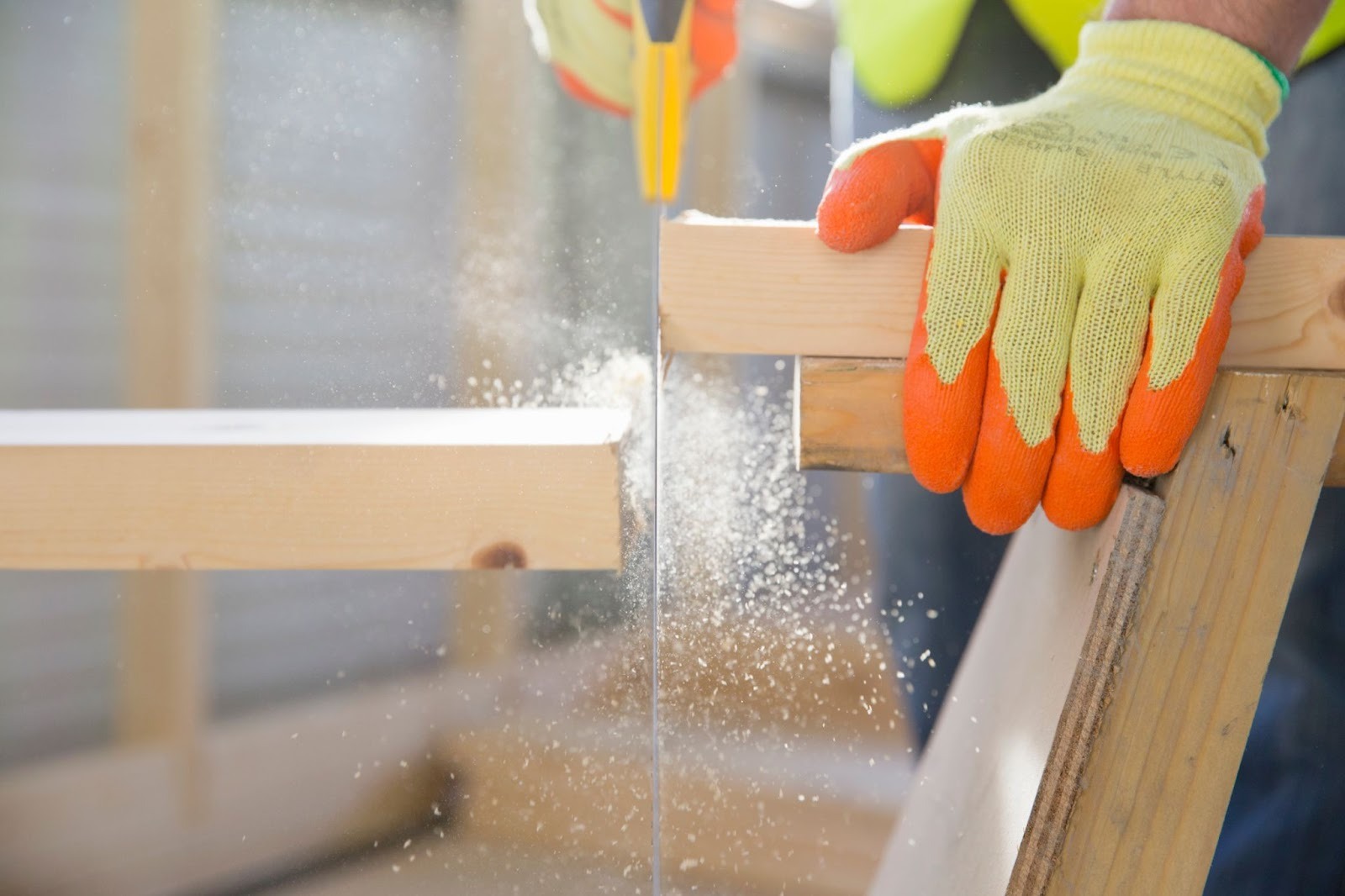
Property owners often ask what carpentry services truly cost before committing to renovations or structural improvements. Clear pricing helps you plan upgrades without straining your operating budget. Contractors calculate costs based on labor expertise, materials, compliance standards, and project scope. Residential homes and commercial buildings face different requirements that influence final pricing. Understanding average carpentry costs gives you stronger negotiating power and clearer financial direction.
Factors That Affect Carpentry Service Costs
Carpentry service costs depend on labor rates, material quality, and project complexity. Contractors evaluate structural demands, design details, and site conditions before preparing an estimate. Residential and commercial projects follow different compliance standards that influence pricing. These variables explain why two similar-looking jobs can produce very different cost proposals.
Labor Rates and Skill Level Costs
Labor rates form the foundation of most carpentry estimates. Skilled residential carpenters typically charge between $40 and $80 per hour, while commercial specialists often charge between $70 and $120 per hour, depending on licensing and code expertise. Higher rates reflect advanced training, efficiency, and precision that reduce costly mistakes. In metropolitan areas, demand and operating expenses increase, leading to higher hourly pricing. Commercial projects may require certified crews with expertise in fire ratings and accessibility regulations. This labor investment often lowers long-term repair and rework costs.
Material and Supply Price Ranges
Material costs vary based on wood species, finish quality, and availability. Softwoods like pine cost less, while hardwoods such as oak or maple can double the material budget. Hardware, fasteners, adhesives, and finishes add smaller but cumulative expenses. Lumber pricing also fluctuates with regional demand and supply chain conditions. Custom millwork requires specialized sourcing and fabrication time, which increases costs. This material selection directly affects durability, appearance, and maintenance cycles.
Project Size and Design Complexity
Project scope includes square footage, structural involvement, and design detail. Simple trim replacement costs far less than structural framing or custom built-ins. Detailed designs with layered moldings or curved elements require additional labor hours. Hard-to-access areas increase setup time and safety preparation. Commercial properties often require phased construction to maintain operations during renovations. This complexity explains why tailored carpentry commands a higher investment than straightforward installations.
Overlooked Cost Drivers in Carpentry Services
Carpentry pricing includes operational and financial factors beyond visible labor and materials. Contractors account for preparation time, equipment usage, insurance, and market conditions in their quotes. These cost drivers are often unlisted yet directly affect totals. Understanding them allows property owners to evaluate proposals more accurately.
Job Site Setup and Mobilization Costs
Mobilization covers the preparation required before construction begins, including contractors transporting tools, staging equipment, and materials to the job site. Crews install surface protection, safety barriers, and debris control systems. Larger residential estates and commercial facilities often require extended setup periods. Urban locations may require parking permits or require coordination for restricted access. This preparation effort increases labor calculations even when estimates do not itemize it separately.
Equipment, Tools, and Depreciation
Professional carpenters rely on commercial-grade tools and specialized machinery. Equipment such as saws, compressors, and scaffolding requires ongoing maintenance and replacement. Contractors factor equipment depreciation into their hourly or project rates. Commercial work often requires precision tools that are more expensive to operate and service. Regular calibration and safety inspections add operational expenses. This equipment investment supports consistent craftsmanship while influencing pricing structures.

Material Waste and Overage Calculations
Material estimates typically include an overage percentage to prevent shortages. Contractors order extra lumber or trim to account for cutting waste and natural defects. Complex layouts increase waste due to angled cuts and detailed fitting requirements. Bulk purchasing may reduce unit pricing but raises upfront material quantities. Commercial sites require careful inventory coordination to avoid costly delays. This overage strategy protects timelines while increasing overall material totals.
Insurance, Bonding, and Liability Costs
Licensed contractors carry general liability and workers’ compensation insurance. Commercial projects may also require bonding to protect property owners financially. Insurance premiums vary based on project type and structural risk exposure. Elevated framing or load-bearing work increases coverage requirements. Contractors incorporate these policy expenses into their pricing models. This financial protection shields owners from unexpected legal and injury claims.
Seasonal Market and Demand Fluctuations
Construction demand shifts throughout the year, driven by climate and economic activity. Busy seasons often raise labor rates due to increased demand. Lumber and hardware prices may also rise during peak construction cycles. In colder regions, exterior work slows, affecting contractor scheduling. Commercial renovation waves can tighten availability in specific markets. These market conditions affect pricing even when the project scope remains unchanged.
Change Orders and Scope Adjustments
Change orders arise when project requirements shift after work begins. Design revisions, material upgrades, or unforeseen structural damage can expand the budget. Contractors price these adjustments separately to reflect added labor and supplies. Scheduling disruptions caused by revisions may also increase overall costs. Commercial renovations often involve phased updates that generate multiple adjustments. This scope management process directly affects the final invoice and requires proactive planning.
Average Interior Carpentry Service Costs
Interior carpentry services cover trim, doors, cabinetry, and stair systems. Pricing reflects craftsmanship level, material grade, and layout complexity. Residential projects often emphasize aesthetics, while commercial spaces prioritize durability and compliance. Knowing common price ranges helps owners build realistic remodeling budgets.
Trim and Molding Installation Prices
Trim and molding installation typically costs between $5 and $15 per linear foot. Basic baseboards sit at the lower end, while decorative crown molding costs more. Labor increases in rooms with high ceilings or intricate corner angles. Hardwood trim costs more than MDF, an engineered wood product. Commercial interiors may require impact-resistant materials in high-traffic areas. This trim installation enhances finish quality and property value.
Door Installation and Replacement Costs
Door installation pricing depends on type, material, and framing conditions. Installing a standard interior pre-hung door often ranges from $150 to $400 per unit. Exterior doors cost more because they require insulation and weatherproof sealing. Commercial properties often install reinforced doors that comply with fire and accessibility codes. Upgraded hardware, such as smart locks, increases total expenses. This door improvement strengthens security and energy performance.

Custom Cabinets and Built-Ins Pricing
Custom cabinetry generally ranges from $150 to over $750 per linear foot installed. Stock cabinets cost less but limit sizing and finish options. Semi-custom cabinetry offers moderate flexibility at a mid-range investment level. Fully custom pieces require detailed fabrication and extended labor time. Commercial spaces often select durable laminate finishes for longevity. This cabinetry choice supports organization, efficiency, and cohesive design.
Staircase and Railing Construction Costs
Staircase construction costs vary depending on the materials and architectural details. Basic wood stair systems typically start at around $1,000 and can exceed $5,000 for hardwood designs. Glass panels or decorative metal balusters increase fabrication complexity. Commercial stair systems must comply with strict local building codes. Permits and inspections may incur measurable costs for the project. This staircase installation requires precision due to strict safety standards.
Exterior Carpentry Service Price Guide
Exterior carpentry services include decks, fences, siding, and structural woodwork. Outdoor projects require weather-resistant materials and reinforced construction methods. Labor may involve grading, elevated framing, or protective treatments. These environmental factors influence pricing across residential and commercial properties.
Deck Building and Repair Costs
Deck construction typically ranges from $15 to $50 per square foot. Pressure-treated lumber costs less, while composite decking costs more. Elevated or multi-level decks increase framing complexity and labor hours. Repair work, such as replacing damaged boards, may cost $10 to $25 per square foot. Commercial decks require reinforced framing for higher occupancy loads. This deck addition expands outdoor functionality and property appeal.
Fence Installation Cost Per Foot
Fence installation typically costs $15 to $35 per linear foot for wood materials. Cedar and redwood fencing sit at the higher end due to natural resistance to decay. Uneven terrain increases labor time because crews must adjust posts and grading. Decorative features, such as lattice tops, increase fabrication costs. Commercial fencing may include reinforced posts or access control systems. This fencing installation balances privacy, durability, and visual appeal.
Wood Siding and Exterior Trim Costs
Wood siding installation commonly ranges from $7 to $15 per square foot. Minor repairs cost less when damage remains localized. Extensive moisture or insect damage raises replacement and labor expenses. Contractors often recommend treated lumber to resist decay and pests. Commercial façades may require fire-rated materials under municipal codes. This exterior upgrade protects structural framing and improves curb presentation.
Structural Carpentry and Framing Prices
Structural carpentry focuses on framing walls, roofs, and load-bearing components. These elements support the building’s overall integrity—contractors base pricing on engineering requirements and inspection standards. Commercial framing projects often exceed residential costs due to scale and compliance.
Wall Framing and Partition Costs
Wall framing generally ranges from $7 to $16 per square foot. Non-load-bearing partitions cost less because they do not support structural weight. Load-bearing walls require reinforced beams and precise installation methods. Commercial tenant build-outs often use steel studs, which increase material expenses. Permit fees and inspections add to total project costs. This framing structure serves as the foundation for interior layouts.
Roof Framing and Structural Repairs
Roof framing costs typically range from $6 to $15 per square foot. Complex rooflines increase labor time and material waste. Structural repairs cost more when water damage spreads across wide areas. Contractors replace compromised beams to maintain safety standards. Commercial buildings must meet stricter wind and load requirements. This roof framing work protects the building from environmental stress.
Budgeting for Carpentry Services Today
Budgeting for carpentry services requires accurate estimates and transparent agreements. Property owners should request detailed cost breakdowns before approving work. Comparing multiple bids clarifies fair market pricing in your region. Strategic planning strengthens financial control over residential and commercial improvements.
How to Get Accurate Carpentry Estimates
Accurate estimates begin with an on-site inspection and detailed measurements. Contractors should provide written proposals outlining scope, materials, and timelines. Ask about potential cost adjustments before approving the contract. Transparent communication reduces misunderstandings during construction. Reviewing credentials and past projects builds confidence in the contractor’s capability. This estimate process supports informed budgeting decisions.
Balancing Quality and Long-Term Value
Balancing cost and quality requires thoughtful selection of materials and contractors. Lower bids may exclude details that affect durability and finish standards. Skilled carpenters complete projects efficiently and reduce future repair costs. Durable materials can lower maintenance expenses over time. Commercial owners should consider tenant satisfaction and operational continuity. This value-driven strategy strengthens long-term returns on carpentry services.
Maximize Value From Carpentry Services
Carpentry services influence structural stability, operational efficiency, and long-term property performance. Clear cost awareness allows you to challenge vague estimates and demand precise scope definitions. Strategic investment in skilled labor and durable materials reduces maintenance cycles and the need for unexpected repairs. Review your upcoming projects with a sharper financial lens and measurable quality standards. Stronger oversight today supports dependable results and sustained value across residential and commercial properties.
Visit the Behan Builders blog for practical insights on construction planning, budgeting, and quality craftsmanship that support smarter property decisions.