
Many homeowners dream of a brighter, more functional kitchen that fits their daily lives. The first practical question usually centers on renovation pricing and realistic budgets. Remodeling costs can vary widely depending on materials, labor, and project size. Reliable estimates help homeowners plan wisely and avoid unexpected financial stress. Understanding the average cost of a kitchen remodel helps guide smart renovation decisions.
Understanding Average Kitchen Remodel Cost
The average kitchen remodel cost is the typical price homeowners pay for kitchen renovation projects. Most kitchen remodels in the United States range from about $15,000 to $60,000, depending on scope. Industry data from remodeling reports and contractor estimates support this pricing range. The final price depends on kitchen size, material quality, and professional labor rates.
Typical Kitchen Remodel Price Range
The average kitchen remodel cost usually falls within three general pricing tiers. Budget remodels may start around $10,000 when homeowners focus on surface upgrades. Mid-range renovations commonly range from $25,000 to $60,000, according to recent remodeling industry reports. Luxury kitchen renovations can exceed $80,000 when custom features and structural changes appear. Appliance upgrades, cabinetry replacement, and layout adjustments often drive higher budgets. Realistic price awareness helps homeowners begin renovation planning with financial clarity.
Kitchen Size and Remodeling Cost Impact
Kitchen size strongly influences the average cost of a kitchen remodel because larger rooms require more materials. Bigger kitchens require additional cabinets, flooring, lighting fixtures, and countertop surfaces. Installation labor also increases because contractors spend more time completing the work. Smaller kitchens generally cost less due to reduced material needs and shorter labor timelines. However, premium finishes in compact kitchens can still raise project costs. Careful planning helps homeowners balance space requirements with budget expectations.
Location and Regional Price Differences
Regional market conditions influence remodeling prices across different cities and states. Urban construction markets often charge higher contractor fees and permit costs. Additionally, material transportation and supplier access affect regional pricing levels. Some housing markets also encourage luxury upgrades, raising remodeling budgets. Contractor demand in competitive areas can further increase labor rates. Location, therefore, plays a noticeable role in determining the average kitchen remodel cost.
Key Factors Affect Kitchen Remodel Cost
Several design choices directly influence the overall price of a kitchen renovation. Material selections, appliance upgrades, and layout changes all affect project expenses. Skilled labor also represents a large portion of the remodeling budget. Understanding these cost drivers helps homeowners make practical decisions about renovations.
Cabinet Costs and Storage Options
Cabinetry represents one of the largest expenses in most kitchen remodeling budgets. Stock cabinets provide affordable storage but offer limited customization options. Semi-custom cabinets allow homeowners to adjust sizes, finishes, and organizational features. Custom cabinetry delivers tailored designs but substantially increases the average cost of a kitchen remodel. Installation labor also adds expenses when contractors adjust walls or ceiling heights. Cabinet choices, therefore, shape both the style and financial scope of a renovation.
Countertop Material Price Differences
Countertop materials influence both kitchen appearance and renovation budgets. Laminate countertops offer an economical option for homeowners with limited remodeling funds. Quartz and granite surfaces provide durability and visual appeal at higher prices. Natural stone installation also requires specialized fabrication and precise measurements. Thicker slabs or waterfall edges further increase fabrication expenses. Material selection, therefore, contributes significantly to the average cost of a kitchen remodel.
Appliance Upgrades and Installation Costs
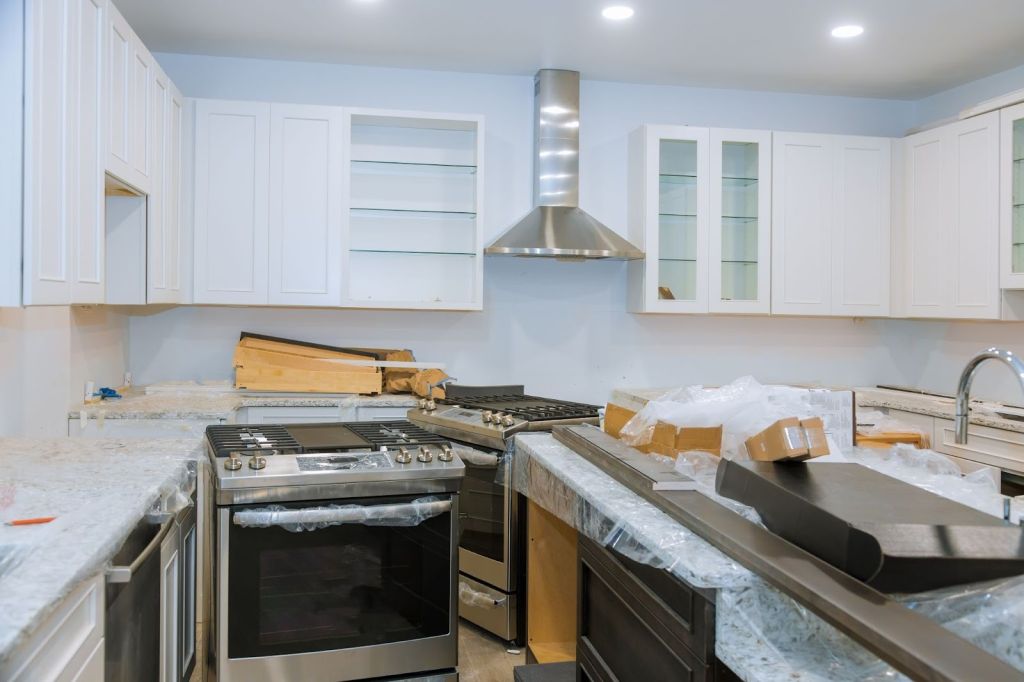
Appliances often receive attention during kitchen renovations because they improve performance and efficiency. Basic appliance packages provide reliable cooking features at moderate prices. Premium appliance brands introduce smart technology and built-in designs that increase costs. Electrical or plumbing adjustments may also become necessary during installation. Professional installers handle these technical changes to ensure compliance with safety standards. Appliance upgrades, therefore, influence both renovation budgets and kitchen functionality.
Flooring, Lighting, and Finish Details
Flooring and lighting complete the overall appearance of a renovated kitchen. Durable flooring materials such as tile or hardwood typically cost more than vinyl alternatives. Lighting upgrades may include recessed fixtures, under-cabinet lights, and decorative pendants. These lighting improvements enhance visibility and the kitchen atmosphere. Backsplashes, hardware, and paint finishes add visual detail across the space. These finishing elements still influence the final remodeling budget.
Budget vs High-End Kitchen Remodel Costs
Kitchen renovations fall into different price levels depending on design complexity. Homeowners often choose a remodeling scale based on budget and lifestyle needs. Smaller updates focus on visual refreshes without construction changes. Larger renovations involve layout adjustments, custom features, and premium materials.
Budget Kitchen Remodel Cost Range
Budget-friendly kitchen remodels focus on visible improvements rather than structural changes. Homeowners often repaint cabinets rather than install entirely new ones. Affordable countertops and updated lighting also refresh the kitchen’s appearance. Contractors usually avoid plumbing or electrical relocation during these projects. This renovation approach helps keep the average cost of a kitchen remodel manageable. Many homeowners choose these updates to improve their style without incurring large construction costs.
Mid-Range Kitchen Renovation Costs
Mid-range kitchen remodels balance cost control with meaningful upgrades. These projects usually include cabinet replacement, countertop installation, and appliance updates. Flooring upgrades and improved lighting commonly appear in these renovations. Contractors may adjust layout details slightly to improve workflow efficiency. Remodeling industry reports estimate mid-range kitchen remodels between $25,000 and $60,000. Many households choose this renovation level for its balance of value and practicality.
Luxury Kitchen Renovation Investment
Luxury kitchen remodels include premium materials and extensive design customization. Custom cabinetry, designer countertops, and high-end appliances dominate these projects. Architects or kitchen designers often guide layout planning and storage solutions. Structural changes, such as wall removal, can create open kitchen layouts. These structural upgrades require permits and skilled construction teams. High-end renovations, therefore, produce the highest average kitchen remodel cost.
Labor Costs in Kitchen Remodeling Projects
Labor expenses represent a large portion of any kitchen renovation budget. Skilled professionals handle electrical wiring, plumbing adjustments, and cabinet installation. Contractors coordinate each phase of the project from demolition to final inspection. Professional expertise helps prevent costly mistakes during construction.

Contractor Fees and Project Coordination
General contractors manage renovation schedules, subcontractors, and material deliveries. Contractor services typically represent ten to twenty percent of total remodeling costs. These professionals supervise installation quality and maintain project timelines. Their experience helps prevent construction errors that later lead to increased expenses. Homeowners also benefit from clear communication throughout the renovation process. Contractor coordination, therefore, adds value to complex remodeling projects.
Kitchen Design and Planning Services
Kitchen designers create layouts that improve efficiency and storage capacity. Design services often include digital renderings or detailed renovation plans. These design documents guide contractors during installation and construction phases. Designers also recommend materials that align with homeowners’ preferences and budgets. Professional planning reduces the risk of layout mistakes or poor appliance spacing. This planning guidance helps homeowners manage remodeling costs effectively.
Permits and Local Building Requirements
Permits become necessary when kitchen renovations involve structural or utility changes. Local building departments review construction plans before approving renovation work. Inspection fees vary depending on location and project complexity. Remodeling contractors schedule inspections to verify code compliance at various stages of construction. These inspections protect homeowners from safety risks and legal issues. Permit requirements, therefore, contribute to the overall average cost of a kitchen remodel.
Smart Ways to Control Remodel Costs
Controlling renovation expenses requires thoughtful preparation and clear priorities. Strategic planning allows homeowners to balance design goals with financial limits. Careful budgeting also reduces surprises during construction. Practical decisions help keep the average cost of a kitchen remodel within reach.
Create a Realistic Kitchen Remodel Budget
A detailed remodeling budget helps homeowners allocate funds effectively. Cabinets, appliances, and labor costs should appear as separate expense categories. Remodeling experts often recommend reserving extra funds for unexpected repairs. Older homes sometimes reveal plumbing or wiring problems during demolition. This contingency planning protects the renovation budget from sudden cost increases. Thoughtful budgeting, therefore, supports smoother kitchen remodeling projects.
Choose Durable and Practical Materials
Material selection affects both renovation costs and long-term durability. Durable surfaces may cost more initially but require fewer repairs over time. Quartz countertops, for example, resist stains and require minimal maintenance. Similarly, quality flooring withstands daily kitchen traffic for many years. Practical materials reduce replacement expenses in future renovations. These decisions help homeowners maintain a balanced remodeling budget.
Keep the Existing Kitchen Layout
Maintaining the current kitchen layout reduces construction complexity and labor costs. Moving plumbing or electrical lines can quickly increase renovation budgets. Contractors must open walls or floors to adjust these systems. Retaining the existing layout allows homeowners to upgrade finishes without structural work. Cabinet replacements and new appliances still improve kitchen functionality. Layout preservation, therefore, helps manage the average cost of a kitchen remodel.
Build a Smarter Budget for Your Kitchen Remodel
A clear remodeling budget turns kitchen ideas into practical plans that homeowners can confidently pursue. Knowing realistic renovation costs helps prioritize upgrades that improve daily function and comfort. Contractors and designers also provide better recommendations when the financial range is defined early. Thoughtful budgeting allows homeowners to invest wisely in materials, layout improvements, and appliances that bring lasting value to the home.
Planning a home upgrade soon? Explore the Behan Builders blog for trusted renovation guidance, cost insights, and helpful homeowner resources.