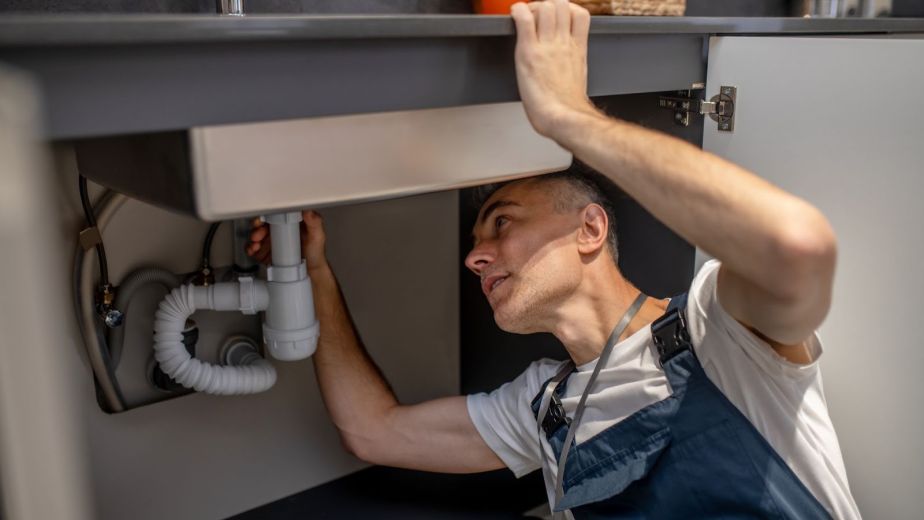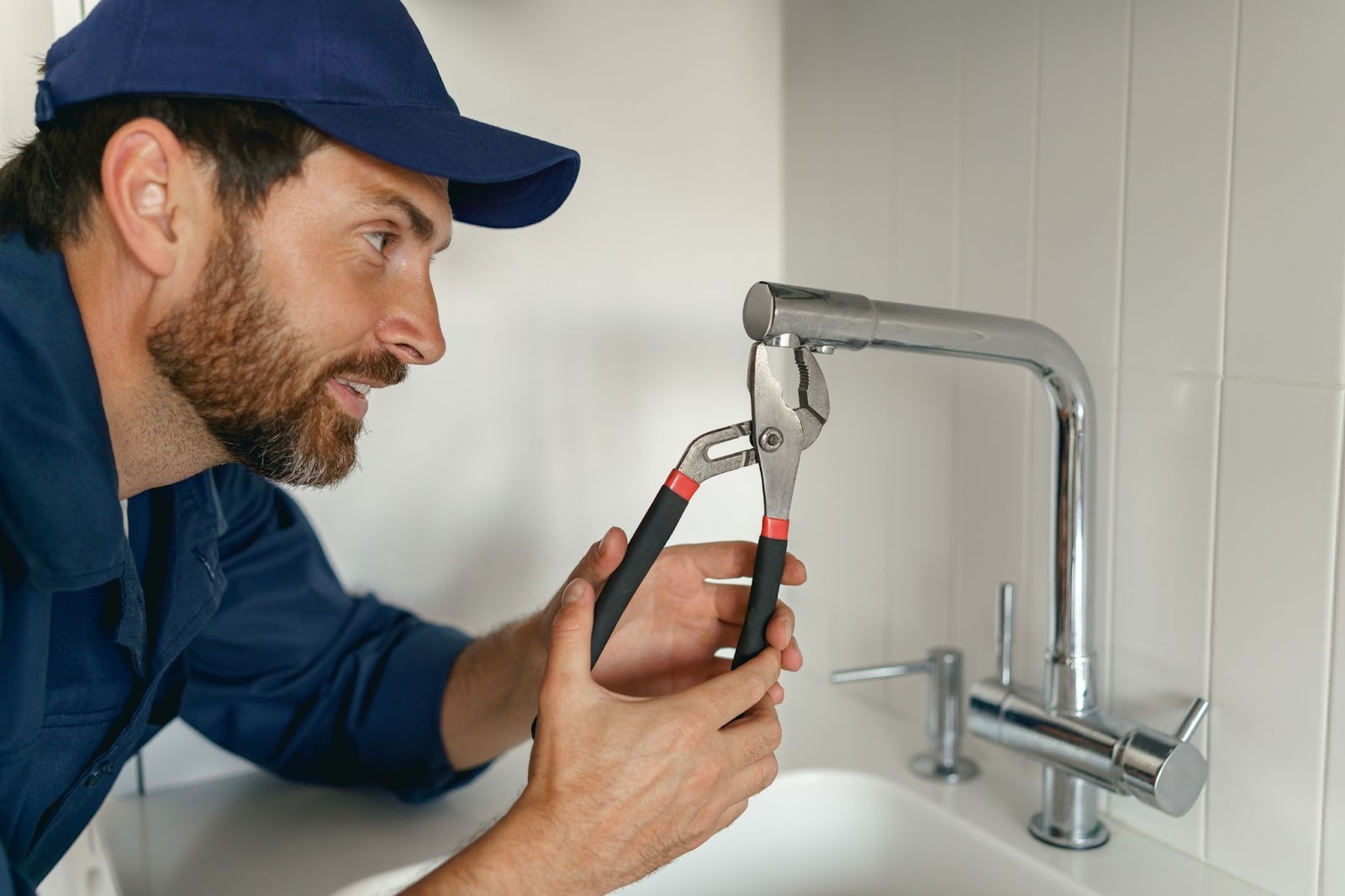
Homeownership depends on reliable water flow for cooking, cleaning, and daily comfort. When a plumbing repair becomes necessary, disruption follows quickly and often without warning. Minor problems appear harmless until they affect utility bills, hygiene, or property condition. Many households face the same plumbing issues repeatedly without realizing how common they are. Understanding the most common plumbing repairs helps homeowners respond with confidence rather than uncertainty.
Why Plumbing Repair Issues Develop
Common plumbing repair issues develop from daily household use rather than rare system failures. Residential plumbing systems handle constant water pressure, frequent temperature changes, and repeated operation throughout the day. Each use transmits force through pipes, joints, and valves, gradually weakening internal components. Minerals carried in water settle inside fixtures and pipes, creating buildup that restricts flow and increases friction. Temperature shifts cause materials to expand and contract, placing added stress on connections over time. These combined factors lead to leaks, clogs, and worn parts that surface gradually. Homeowners who understand how these issues form can respond before problems spread or become more costly.
Which Plumbing Issue Happens Most Often
Which plumbing issue happens most often becomes clear when looking at how homes use water every day. Fixtures that operate repeatedly experience wear sooner than systems used occasionally. Small internal components break down gradually rather than failing all at once. This usage pattern explains why the same problem appears across many households.
Leaky Faucets as the Most Frequent Household Issue
Leaky faucets remain the most frequent household water issue across residential properties. Nearly every home experiences this problem at some stage. Faucets rely on small internal components that wear predictably with use. A persistent drip usually points to internal part failure rather than surface damage.
What Causes Faucet Leaks
Faucet leaks usually begin with worn washers, cartridges, or seals. These components regulate water flow every time the fixture operates. Constant friction slowly degrades their surfaces. Hard water speeds up this wear through mineral deposits. Temperature shifts weaken internal parts further. Over time, dripping becomes constant instead of occasional.
How Faucet Leaks Affect Water Costs
A leaking faucet wastes water throughout the day and night. This wasted water raises utility bills without an obvious warning. Moisture around sinks damages cabinets and countertops. Damp conditions support mold growth over time. Many homeowners underestimate how quickly costs add up. Addressing leaks promptly limits unnecessary expense.
Choosing Between Faucet Repair and Replacement
Some faucet issues require only minor part replacements. Other cases reveal corrosion inside the fixture body. Older models often lack compatible replacement parts. Modern fixtures offer improved efficiency and durability. A licensed plumber evaluates the feasibility before work begins. That guidance helps prevent repeated issues.
Toilet Issues That Commonly Affect Homes
Toilet-related problems rank among the most frequent household concerns. Toilets operate many times each day in most homes. Internal components experience steady wear over time. Minor malfunctions become disruptive quickly.
Running Toilets and Internal Wear
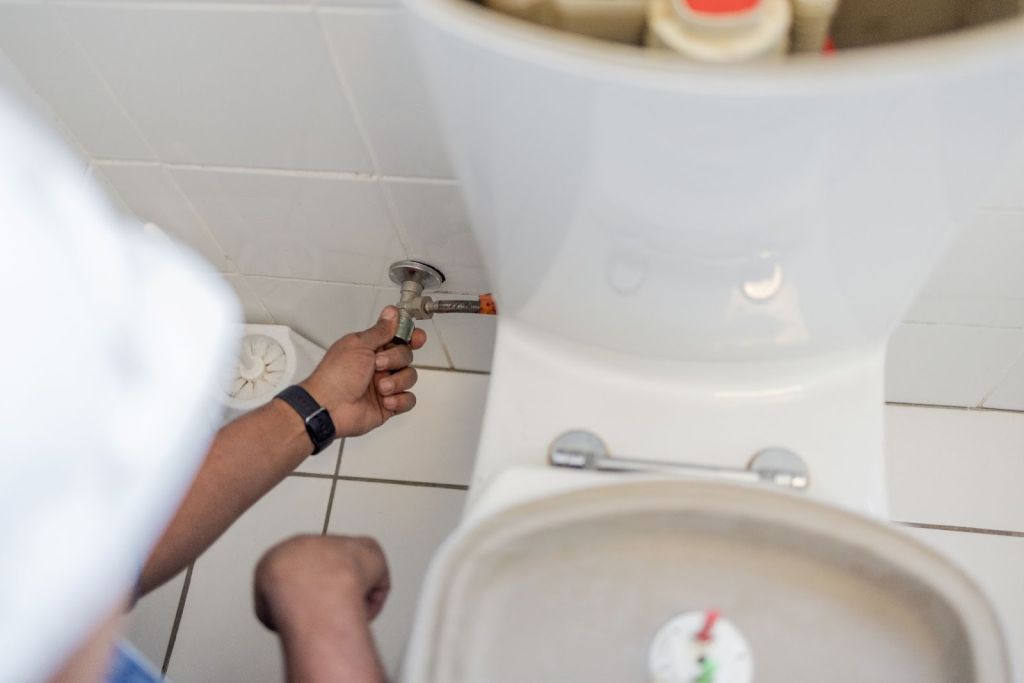
Running toilets often result from worn flappers or faulty fill valves. These components manage water movement inside the tank. Rubber materials degrade from chemical exposure in treated water. Misalignment allows water to flow continuously. This condition wastes water quietly. Restoring proper operation stops unnecessary loss.
Weak Flush and Refill Issues
Weak flush performance usually signals internal flow restrictions. Sediment buildup blocks rim holes inside the bowl. Improper refill levels reduce flushing force. These problems place strain on internal mechanisms. Cleaning or adjustment resolves most cases. Proper flushing restores daily convenience.
Drain Blockages in Everyday Household Use
Drain blockages remain a common reason homeowners seek professional help. Kitchen and bathroom drains collect debris from routine activities. Most blockages develop gradually rather than suddenly. Slow drainage is often the first warning.
Kitchen Drain Clogs from Household Use
Kitchen drains clog mainly from grease and food waste. Grease hardens inside pipes after cooling. Food particles adhere easily to greasy surfaces. Soap residue adds another binding layer. Over time, water flow slows noticeably. Professional cleaning clears buildup without damaging pipes.
Bathroom Drain Clogs from Hair and Soap
Bathroom drains clog primarily due to hair combined with soap residue. Hair forms dense tangles inside narrow drain lines. Slow drainage occurs before complete blockage. Home remedies often push debris deeper. Mechanical cleaning removes buildup effectively. Preventive care reduces recurrence.
Pipe Leaks That Threaten Home Structures
Pipe leaks cause severe damage when left unresolved. Some leaks remain hidden behind walls or beneath flooring. Moisture spreads quietly in these situations. Structural materials absorb water over time.
Pipe Joint and Connection Failures
Pipe joints connect sections that carry pressurized water. Poor installation weakens joints prematurely. Temperature changes loosen threaded connections gradually. Vibrations from water flow worsen existing weaknesses. Small drips turn into steady leaks. Stabilizing connections prevents further damage.
Corrosion Inside Aging Pipes
Metal pipes corrode due to long-term exposure to minerals. Corrosion thins pipe walls unevenly. Pinholes form and leak slowly. Water stains often appear far from the source. Repairs may involve replacing affected sections. Advanced corrosion requires broader solutions.
Water Heater Problems in Residential Systems
Water heater issues occur frequently in residential homes. These systems operate under continuous heat and pressure. Internal components wear faster under these conditions. Proper service restores comfort and reliability.
Sediment Buildup in Water Heater Tanks
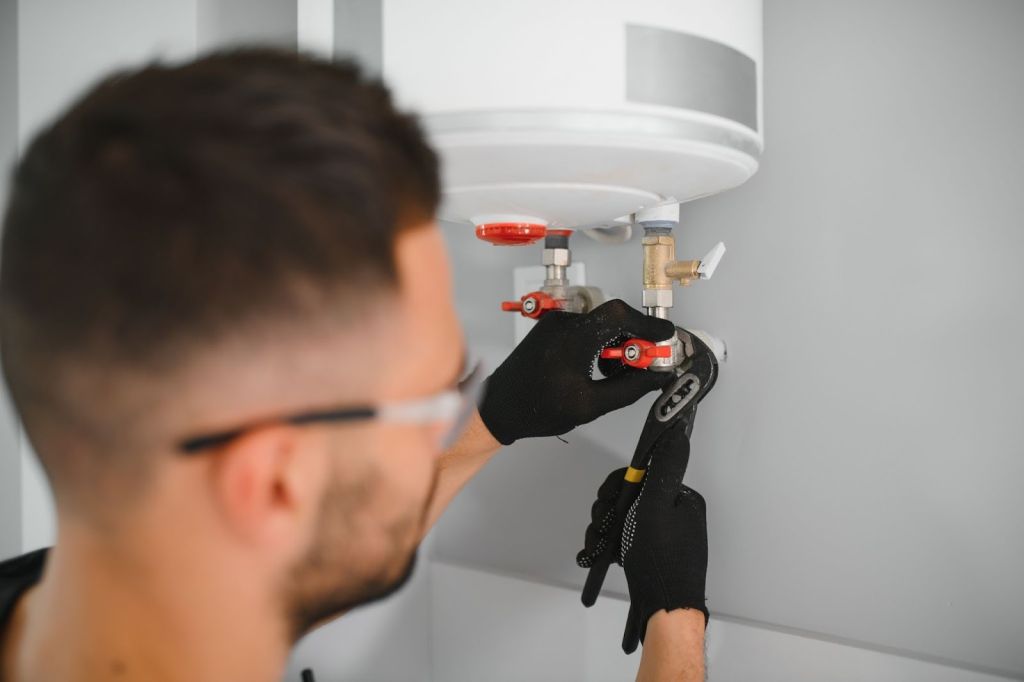
Sediment settles at the bottom of tanks over time. Mineral accumulation reduces heating efficiency steadily. Popping noises often indicate sediment presence. Heating elements strain against insulation layers. Flushing removes accumulated minerals. Regular service extends equipment life.
Temperature Control and Valve Problems
Inconsistent water temperature signals an internal malfunction. Faulty thermostats disrupt heating cycles. Pressure relief valves protect against overheating. Mineral deposits interfere with valve operation. Repairs stabilize temperature output. Safe operation remains essential.
How Home Design and Habits Shape Plumbing Repairs
Plumbing repair patterns reflect how homes are designed and how residents use water daily. Layout decisions, fixture placement, and lifestyle habits quietly determine which components wear out first. These factors influence stress points long before visible problems appear. Understanding this connection helps homeowners anticipate issues rather than react to them.
Fixture Placement and System Strain
Plumbing systems respond differently depending on where fixtures are located within a home. Long pipe runs increase pressure loss and friction inside lines. Upper-floor bathrooms place additional demand on supply and drain systems. Poorly planned layouts force water to travel farther than necessary. This added strain accelerates wear on valves and connections. Over time, these design choices contribute to recurring plumbing repair needs.
Water Pressure Settings Inside the Home
Many homes operate with water pressure above the recommended level. Excess pressure feels convenient, but stresses fixtures continuously. Faucets, toilet valves, and supply lines absorb that force daily. Seals and washers degrade faster under elevated pressure. Minor leaks appear sooner than expected. Pressure regulation reduces the frequency of common plumbing repairs.
Appliance Usage Patterns and Hidden Wear
Dishwashers and washing machines place intense demands on plumbing lines. Short, repeated cycles increase pressure surges within pipes. Flexible supply hoses weaken under constant movement and vibration. Drain lines experience rapid temperature fluctuations due to hot discharge water. These conditions wear components unevenly. Appliance-related stress often contributes to leaks mistaken for random failures.
Water Chemistry and Its Long-Term Effects
Water chemistry influences plumbing longevity more than many homeowners realize. Hard water leaves mineral deposits on internal components. Softened water can accelerate corrosion in certain metals. Chemical disinfectants affect rubber and plastic parts. These reactions occur slowly and without visible warning. Plumbing repair becomes necessary once internal damage reaches a threshold.
Household Routines That Increase Repair Frequency
Daily habits shape plumbing outcomes over time. Frequent fixture use multiplies mechanical stress on small parts. Disposal of grease or debris can strain drain systems over time. Inconsistent maintenance allows minor issues to persist unnoticed. These behaviors compound wear across the system. Adjusting routines reduces the likelihood of repeat plumbing repairs.
How Homeowners Can Reduce Recurring Plumbing Issues
Many plumbing problems stem from missed maintenance rather than sudden failure. Daily habits influence system performance more than many homeowners realize. Greater awareness helps reduce surprise service calls. Preventive care supports consistent and reliable operation.
Monitor Plumbing Systems Through Regular Checks
Homeowners benefit from regularly inspecting exposed pipes. Moisture under sinks often signals leaks developing out of sight. Unusual sounds during water use suggest pressure or flow issues. Toilets that run silently waste water continuously. These warning signs appear before larger problems surface. Prompt attention limits the scope of future repairs.
Regulate Water Pressure to Reduce System Stress
Water pressure above recommended levels constantly strains plumbing components. Faucets, valves, and supply lines absorb that force whenever water flows. Seals and washers degrade faster under sustained pressure. Minor leaks emerge sooner under these conditions. Pressure regulators stabilize flow throughout the system. Proper regulation reduces the likelihood of recurring issues.
Match Materials to Extend Fixture Lifespan
Plumbing systems perform best when materials work together correctly. Mixing metals accelerates corrosion at connection points. Some plastic fittings weaken when paired with older metal piping. Fixture materials respond differently to changes in heat and pressure. Incompatible components fail unevenly over time. Matching materials improves overall system durability.
Protect Your Home Through Smart Plumbing Repair
Plumbing problems rarely stay contained once they start, and hesitation often allows minor issues to spread quietly. Homeowners who recognize patterns and respond with intention maintain stronger systems and fewer disruptions. Professional insight paired with consistent attention prevents repeat problems from draining time and resources. Choosing reliable plumbing repair support keeps daily routines steady and protects long-term property value.
Visit the Behan Builders blog for practical insights that help homeowners prevent plumbing problems before they disrupt daily life.