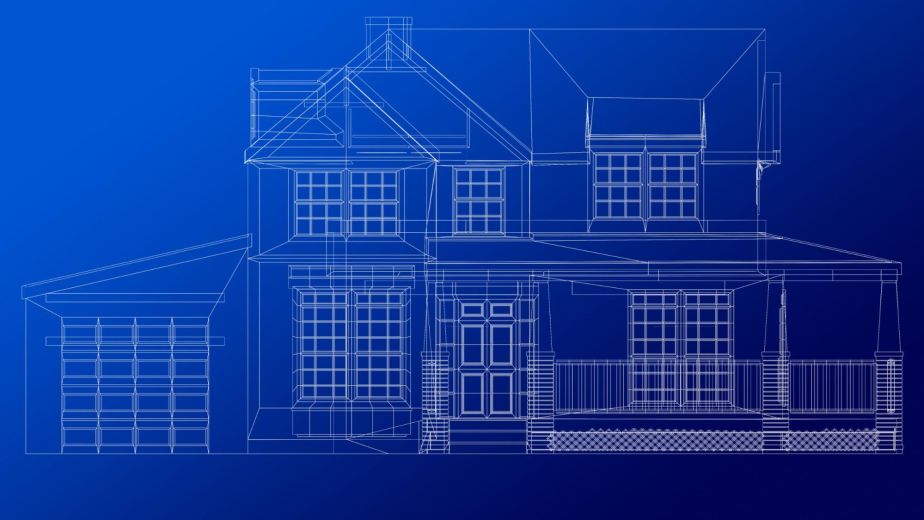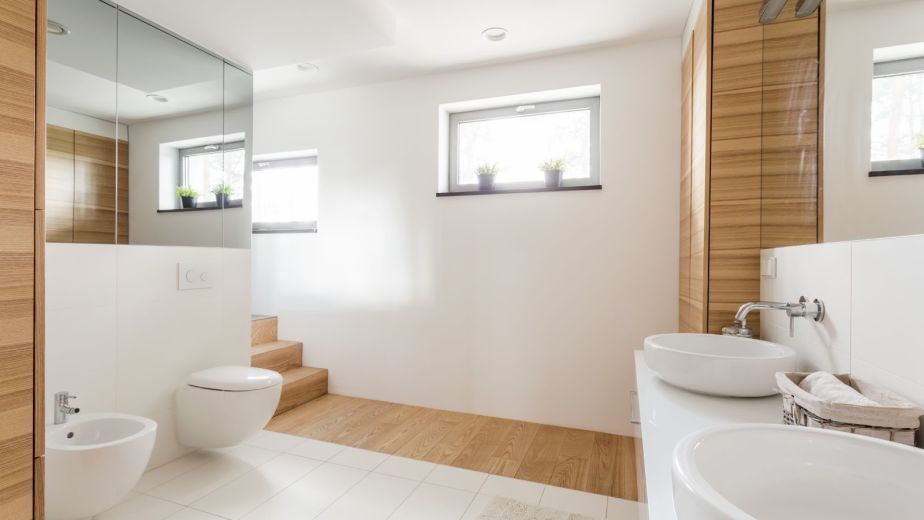
Homeowners are rethinking how their properties can adapt to changing needs over time. Rising housing costs and shifting family dynamics continue to influence residential planning decisions. Flexible living arrangements are now more important than ever. Secondary living spaces offer a practical way to add function without sacrificing location or stability. For many residential properties, well-designed accessory dwelling units offer a thoughtful, adaptable solution.
What Accessory Dwelling Units Are and How They Work
Accessory dwelling units are independent residential spaces located on the same lot as a primary home. These units include essential living features such as kitchens, bathrooms, and private entrances. Local regulations require them to remain secondary in size and placement. This structure allows additional housing while preserving the primary residence as the main dwelling.
Defining Accessory Dwelling Units
Accessory dwelling units function as complete homes rather than temporary or shared spaces. Each unit supports daily living through dedicated utilities and private access. Local building codes define size limits to keep these units subordinate to the main house. Homeowners often build ADUs as backyard cottages, garage apartments, or interior conversions. This housing form supports long-term occupancy rather than short stays. Clear definitions help homeowners plan legally and avoid compliance issues.
How ADUs Differ From Guest Houses and Additions
Accessory dwelling units differ from guest houses because they allow full-time residency. Guest houses typically prohibit kitchens and rental agreements. Home additions expand the main residence rather than create separate homes. This difference affects zoning approval, insurance coverage, and tax treatment. Homeowners who confuse these categories risk project delays. Understanding these distinctions supports better planning decisions.
Common Types of Accessory Dwelling Units
Accessory dwelling units appear in several configurations depending on property layout and zoning. Each type offers different levels of privacy, cost, and construction complexity. Homeowners choose formats that align with space constraints and long-term goals. Knowing these options clarifies what works best for a specific property.
Detached Accessory Dwelling Units
Detached ADUs stand apart from the primary residence, offering strong privacy. These units often resemble compact standalone homes. Utility connections require careful planning and trenching. Homeowners value detached units for long-term rentals or extended family use. Physical separation reduces shared noise and activity. Backyard placement preserves independence for both households.
Garage Conversion Accessory Dwelling Units
Garage conversions adapt existing structures into livable space. These projects often reduce construction timelines and costs. Existing utility proximity simplifies upgrades. Homeowners must address lost vehicle storage. Converted garages integrate smoothly into established neighborhoods. This option works well where yard space is limited.
Interior and Basement Accessory Dwelling Units
Interior ADUs convert basements or unused areas into separate living quarters. These units maintain the home’s exterior appearance. Sound insulation and fire separation require careful attention. Ceiling height rules may limit feasibility in older properties. Homeowners favor this approach when the exterior building is subject to restrictions. Thoughtful layouts preserve comfort for both households.
Why Homeowners Are Building Accessory Dwelling Units
Accessory dwelling units meet practical needs rather than following passing trends. Homeowners seek flexibility that supports changing family and financial circumstances. ADUs allow controlled growth without relocating. This approach aligns with long-term residential planning.
Rental Income Without Leaving the Property
Accessory dwelling units create opportunities for steady rental income. Long-term leases provide predictable monthly revenue. This income helps offset housing costs and taxes. Owners maintain oversight because the unit remains on-site. Proximity reduces vacancy risks. Rental income strengthens overall property performance.
Housing Solutions for Family Members
Accessory dwelling units support multigenerational living arrangements. Aging parents gain independence while staying nearby. Adult children receive transitional housing during life changes. Separate entrances preserve privacy and dignity. Families remain connected without overcrowding. This flexibility reduces housing stress during transitions.
Increasing Long-Term Property Appeal
Homes with permitted ADUs attract a broader range of buyers. Some buyers value immediate rental potential. Others prioritize adaptable living spaces. Well-designed units blend with the main residence. This versatility supports resale positioning. Buyers increasingly recognize ADUs as functional assets.
How Accessory Dwelling Units Affect Daily Living
Accessory dwelling units change how homeowners experience their property day to day. These changes extend beyond finances and square footage. Daily routines, privacy expectations, and shared spaces shift once a second household exists on-site. Homeowners who understand these lifestyle effects early tend to feel more confident long term.
Privacy Expectations Versus Daily Reality
Accessory dwelling units introduce new rhythms into a property that once supported a single household. Morning routines, evening noise, and outdoor use may overlap unexpectedly. Homeowners often assume physical separation alone will prevent friction. Daily reality shows that sound, lighting, and shared paths matter just as much. Clear boundaries reduce misunderstandings before they form. Planning for these interactions supports lasting comfort.
Shared Utilities and Subtle Lifestyle Adjustments
Shared utility systems influence everyday decisions once an ADU becomes occupied. Water usage patterns may change noticeably. Energy demand often increases during peak hours. Homeowners sometimes adjust habits to balance shared systems. Sub-metering can clarify responsibilities and reduce tension. These operational shifts affect long-term satisfaction.
Shifts in How Outdoor Space Gets Used
Accessory dwelling units often change how yards and exterior areas function. Outdoor spaces may serve more purposes throughout the day. Privacy expectations around patios, walkways, and entrances evolve. Homeowners sometimes need clearer boundaries for shared or separate use. Landscaping and fencing help define space without conflict. These adjustments shape daily comfort over time.
Zoning and Regulations Governing ADUs
Accessory dwelling units are subject to detailed local regulations. Zoning laws dictate size, placement, and occupancy. These rules vary widely between jurisdictions. Early research prevents costly revisions later.
Zoning Classifications and Lot Requirements
Zoning classifications determine where ADUs are allowed. Many municipalities now permit them in single-family zones. Setback, height, and coverage limits still apply. Lot size influences allowable unit dimensions. Homeowners should verify zoning early. Misinterpretation often delays approvals.
Parking and Owner Occupancy Rules
Some jurisdictions require additional parking for ADUs. Other areas waive parking near transit corridors. Owner-occupancy rules may limit rental flexibility. These conditions affect financing and long-term use. Homeowners must review local ordinances carefully. Compliance protects future options.

The Permitting Process for Accessory Dwelling Units
Permitting determines whether an ADU becomes legally occupiable. Accurate documentation supports efficient reviews. Homeowners who prepare thoroughly experience fewer delays. Each step reinforces safety and compliance.
Feasibility Reviews and Early Assessments
Feasibility reviews confirm whether a property qualifies for an ADU. Builders evaluate lot dimensions and access points. Utility capacity affects upgrade requirements. Soil conditions influence foundation design. Early assessments prevent wasted design costs. These reviews shape realistic expectations.
Plan Submission and Department Review
Architectural plans must meet building and zoning codes. Departments review layouts, systems, and elevations. Revisions often follow initial submissions. Organized responses shorten review cycles. Clear communication supports progress. Timely follow-up keeps projects moving.
Inspections and Occupancy Approval
Inspections occur throughout construction. Inspectors verify structural and safety standards. Final inspections confirm compliance. Approved permits allow lawful occupancy. These approvals enable rentals or family use. Skipping steps risks penalties.
Designing ADUs for Everyday Living
Design choices affect comfort, usability, and longevity. Efficient layouts prevent wasted space. Homeowners benefit from thoughtful planning. Design decisions shape daily experiences.
Layout Planning for Comfort and Efficiency
Well-planned layouts maximize limited square footage. Open designs improve natural light. Storage solutions reduce clutter. Kitchen placement affects daily flow. Bathrooms require careful spacing. Good layouts support practical living.
Privacy, Noise, and Separation
Privacy defines successful ADUs. Sound insulation protects both households. Window placement reduces direct views. Separate entrances reinforce independence. Landscaping adds buffers. These measures preserve harmony.
ADUs Construction Methods and Material Selection
Construction methods influence cost and timeline. Material choices affect durability and maintenance. Homeowners must balance upfront spending with long-term performance. Informed decisions reduce future expenses.
Site-Built Versus Modular Construction
Site-built ADUs allow full customization. Construction occurs entirely on-site. Modular units arrive partially assembled. These units shorten build timelines. Transportation requires coordination. Both approaches deliver reliable results.
Choosing Durable and Efficient Materials
Durable materials reduce long-term maintenance. Energy-efficient windows improve comfort. Insulation affects utility costs. Exterior finishes should match the surroundings. Roofing quality protects investment. Materials shape ownership experience.
Financial Planning for Accessory Dwelling Units
Accessory dwelling units require structured financial planning. Costs vary by design and location. Homeowners should budget realistically. Financial clarity supports smoother projects.
Typical Costs and Budget Considerations
Design fees appear early in projects. Permit fees vary locally. Construction labor forms a large portion. Utility upgrades add complexity. Landscaping completes builds. Contingency funds address surprises.
Financing Options for Homeowners
Home equity loans fund many ADUs. Refinancing offers competitive rates. Construction loans release staged funds. Some jurisdictions offer incentives. Lenders review income projections. Financing choices affect cash flow.
Planning for Future Changes in ADU Use
Accessory dwelling units often serve different purposes over time. A unit built for rental income may later be used by the family or as a workspace. Homeowners benefit from anticipating these transitions early. Flexible planning protects long-term property value.
Adapting Accessory Dwelling Units Over Time
Accessory dwelling units rarely remain static in purpose. Rental units may later support aging relatives or returning family members. Layout decisions influence how easily a space adapts. Plumbing placement affects renovation flexibility. Storage and access choices shape future usability. Planning for adaptability reduces costly changes later.
Selling a Property With an Accessory Dwelling Unit
Selling a home with an ADU introduces additional considerations. Buyers often ask about permits and compliance history. Rental income documentation may affect valuation. Appraisers treat ADUs differently depending on market norms. Clear records simplify transactions. Preparation reduces delays during resale.
Managing Accessory Dwelling Units Over Time
Ownership responsibilities continue after construction. Proper management protects income and value. Clear systems support tenant relationships. Ongoing care sustains success.
Landlord Responsibilities and Compliance
Landlords must follow housing laws. Lease terms require clarity. Maintenance requests need prompt responses. Safety standards protect occupants. Insurance policies must reflect ADU use. Compliance prevents disputes.
Maintenance and Property Appearance
Regular maintenance preserves property value. Exterior upkeep supports neighborhood cohesion. Landscaping integrates structures visually. Prompt repairs prevent escalation. Clean shared areas reduce tension. Consistent care reflects responsible ownership.
Design Accessory Dwelling Units for Real-Life Use
Accessory dwelling units work best when homeowners plan for how people actually live, not just how spaces look on paper. Daily routines, privacy needs, and future changes all shape whether an ADU feels like an asset or a burden. Thoughtful decisions around layout, use, and flexibility often matter more than size or finishes. Homeowners who design accessory dwelling units around real-life use position their property for lasting comfort, adaptability, and practical value.
Visit the Behan Builders blog to learn how practical planning turns well-designed spaces into long-term assets.