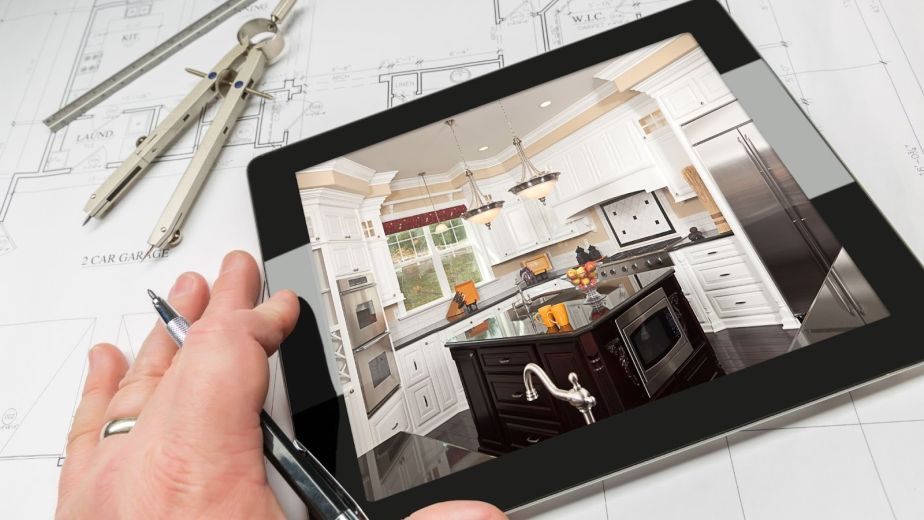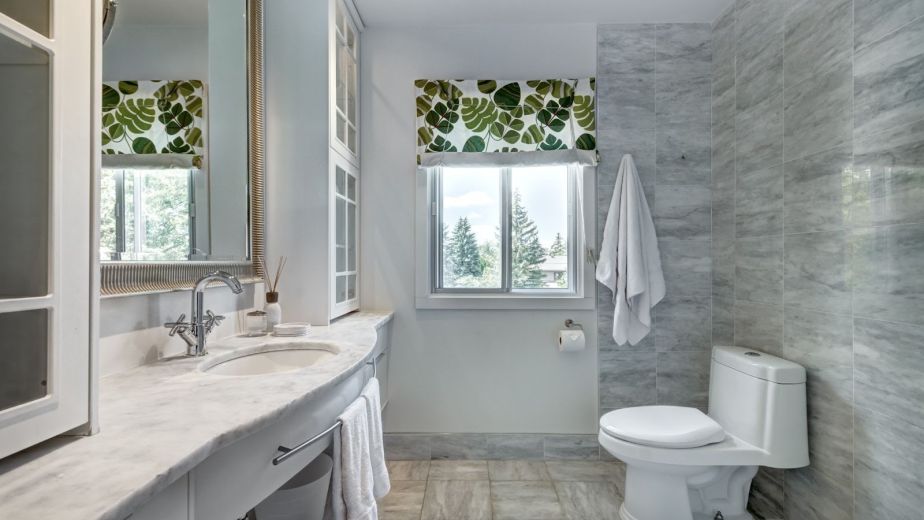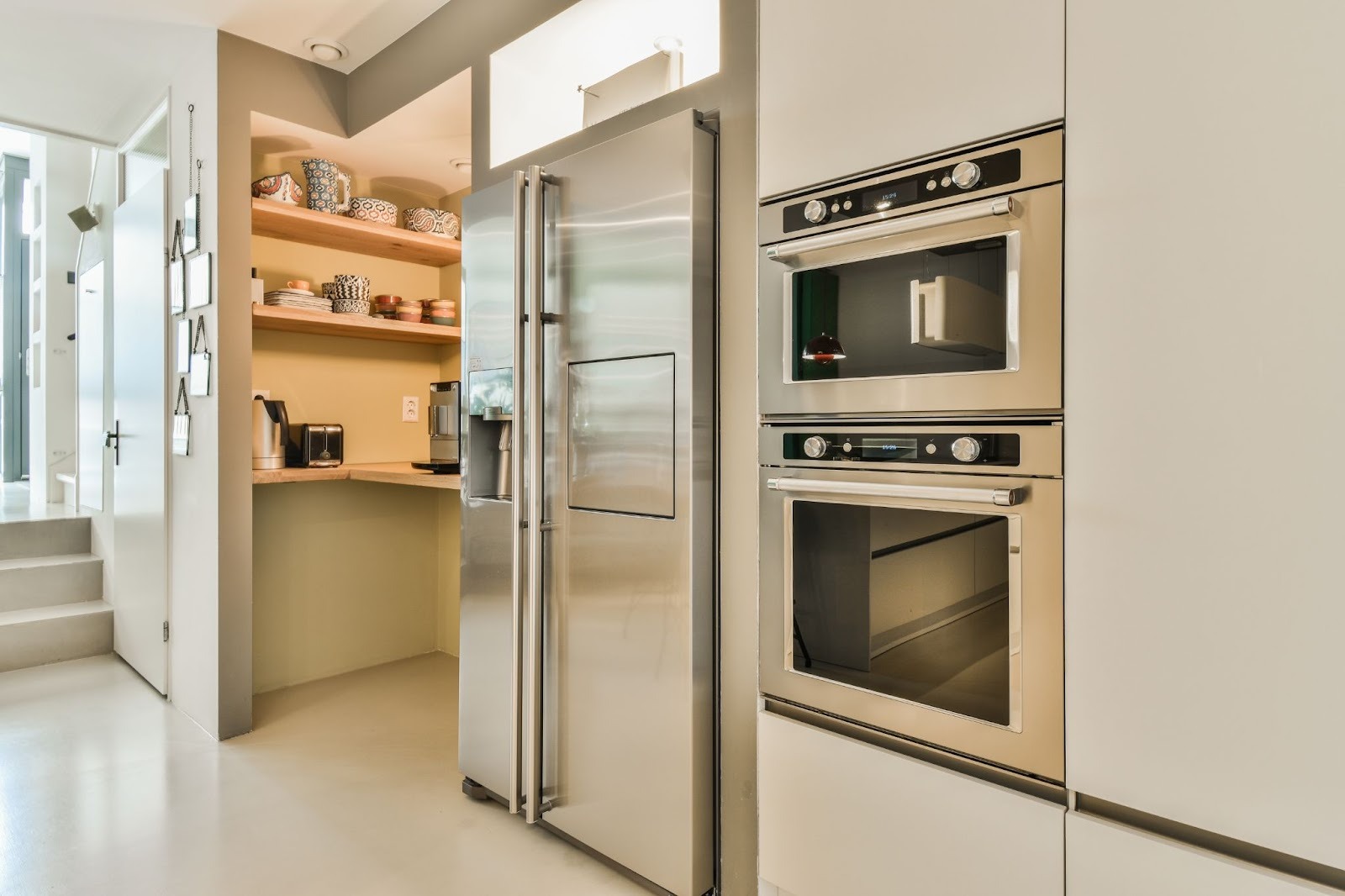
Homeowners moving into 2026 expect their kitchens to support real life, not just look good in photos. Cooking routines, remote work, family schedules, and social gatherings now intersect in one shared space. Because remodeling requires careful investment, kitchen remodeling ideas must deliver lasting function, comfort, and visual balance. Design decisions increasingly reflect durability, efficiency, and adaptability rather than short-term appeal. The strongest kitchen remodeling ideas for 2026 respond directly to how households live today while remaining relevant for years ahead.
Kitchen Remodeling Ideas Defining 2026 Homes
Kitchen remodeling ideas shaping 2026 focus on usability first, then style. Homeowners now value designs that reduce friction during daily routines. Layouts, materials, and systems must handle constant use without demanding extra maintenance. These kitchen remodeling ideas reflect practical decision-making rooted in everyday experience.
Lifestyle-Driven Kitchen Design
Lifestyle-driven kitchen design begins with understanding daily habits. Many households prepare meals more often, which increases wear on surfaces and storage. Kitchens also support short work sessions, homework, and casual conversations. These overlapping uses require clear pathways and durable finishes. Designers now prioritize flexibility over rigid layouts. This lifestyle awareness shapes kitchen remodeling ideas with long-term relevance.
Planning Kitchens for Long-Term Use
Long-term kitchen planning emphasizes choices that age well. Homeowners increasingly avoid bold trends that quickly feel dated. Neutral colors, adaptable layouts, and reliable materials support longevity. This approach also reduces future renovation costs. Buyers recognize thoughtful planning when evaluating homes. These considerations guide kitchen remodeling ideas grounded in foresight.
Flexibility as a Core Kitchen Design Principle
Flexibility in kitchen design allows spaces to adapt as household needs change. In 2026, homeowners favor layouts that support different activities throughout the day. Movable seating, adjustable shelving, and multi-use surfaces make kitchens more responsive. This flexible approach helps homes stay functional during life changes. Design choices now anticipate evolving routines rather than fixed habits. These adaptable solutions strengthen kitchen remodeling ideas focused on longevity and usability.
Kitchen Remodeling Ideas Driving 2026 Design Choices
Kitchen remodeling ideas in 2026 reflect how homeowners think, plan, and invest more carefully than before. Rising costs and longer renovation cycles push design decisions toward practicality and longevity. Homeowners now seek kitchens that support daily routines without constant updates. These evolving expectations set the foundation for the reasons shaping modern kitchen remodeling decisions.
Technology That Quietly Improves Kitchen Use
Technology in 2026 kitchens focuses on reducing effort rather than adding complexity. Homeowners now expect systems that work consistently without constant interaction. Smart features integrate into daily routines instead of drawing attention to themselves. This approach makes kitchens feel more intuitive and easier to manage over time.
Built-In Smart Appliances With Purpose
Built-in smart appliances improve consistency in everyday tasks. Refrigerators monitor freshness and help reduce food waste. Ovens deliver accurate cooking results through preset functions. Dishwashers automatically adjust water and energy use. These appliances operate quietly and reliably. Their value comes from steady performance rather than novelty.
Hands-Free Controls That Support Cooking Flow
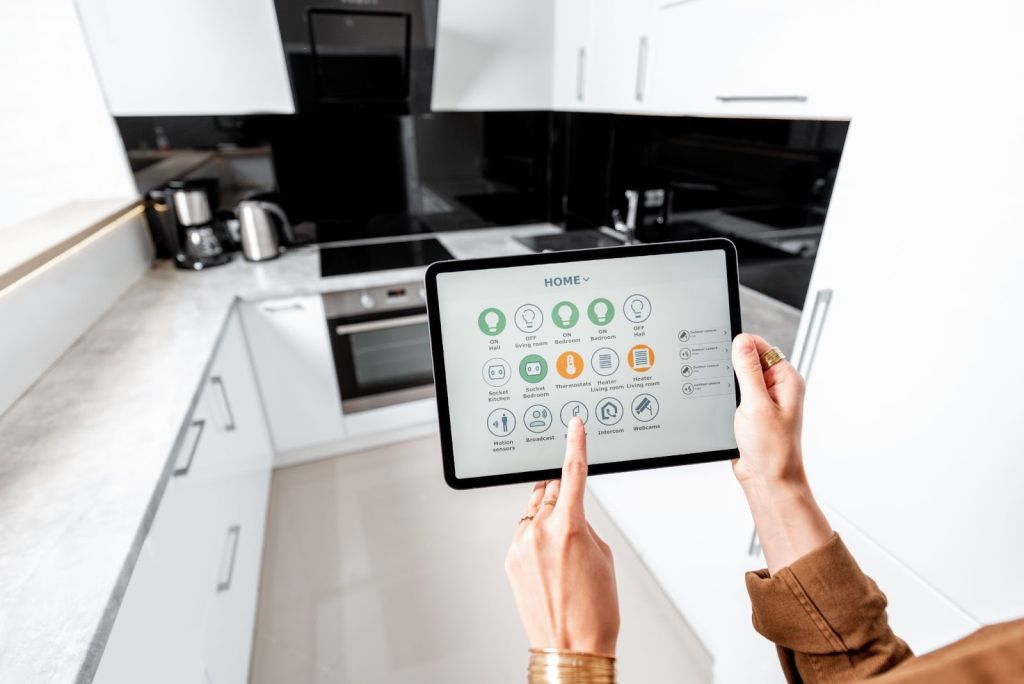
Hands-free controls reduce interruptions during meal preparation. Voice commands instantly adjust timers, lighting, and temperatures. App-based systems allow monitoring while away from home. This control method improves safety when hands are occupied. Simple interfaces encourage regular use. These systems support busy households effectively.
Adaptive Lighting and Air Control Systems
Adaptive lighting responds to different kitchen activities. Task lighting improves visibility during prep work. Ambient lighting supports dining and relaxation. Ventilation systems adjust automatically to heat and air quality. This automation improves comfort without manual input. Intelligent environmental control enhances daily kitchen use.
Spatial Planning That Reduces Kitchen Friction
Spatial planning focuses on movement, access, and shared use. Poor layouts create daily frustration even in visually appealing kitchens. Modern planning prioritizes ease of movement and task separation. These design concepts improve comfort through thoughtful organization.
Open Layouts With Clear Functional Boundaries
Open kitchens remain popular but require structure. Clear boundaries separate cooking, prep, and dining zones. Visual cues, such as lighting changes, define each area. This zoning prevents clutter from spreading. Movement feels more natural throughout the space. Structured openness supports daily efficiency.
Islands Designed for Work, Seating, and Storage
Kitchen islands now serve as multifunctional hubs. Many include seating, storage, and integrated appliances. Power access supports devices and short work sessions. Proper proportions maintain clear walkways. Islands encourage interaction without blocking tasks. These designs anchor modern kitchens.
Smarter Approaches to Galley-Style Kitchens
Galley kitchens benefit from streamlined design strategies. Built-in storage improves organization. Light finishes increase visual depth. Updated lighting reduces shadows. These changes modernize narrow spaces. Efficient layouts perform well with targeted upgrades.
Responsible Design Choices Shaping Modern Kitchens
Responsible design reflects efficiency and long-term thinking. Homeowners increasingly value materials that last. Environmental awareness influences material and system selection. These choices balance performance with sustainability.
Long-Lasting Materials With Lower Environmental Cost
Durable materials reduce replacement needs. Recycled composite countertops resist wear effectively. Low-emission cabinetry improves indoor air quality. These materials support healthier living spaces. Longevity aligns with cost control. Quality remains the guiding factor.
Water-Saving Fixtures That Fit Everyday Use
Water-saving fixtures reduce waste without sacrificing performance. Touchless faucets prevent unnecessary flow. Filtration systems improve water quality. These upgrades support conservation goals. Utility savings accumulate gradually. Water efficiency suits modern kitchens.
Appliances Designed for Reduced Energy Demand
Energy-efficient appliances lower electricity use. New models outperform older systems. Many qualify for incentives. These benefits offset initial costs over time. Performance improves each year. Energy efficiency remains a core priority.
Storage Strategies That Change Daily Experience
Storage affects how kitchens function daily. Poor storage leads to clutter and inefficiency. Modern solutions adapt to real habits. These strategies improve the organization discreetly.
Cabinet Layouts Built Around Real Habits
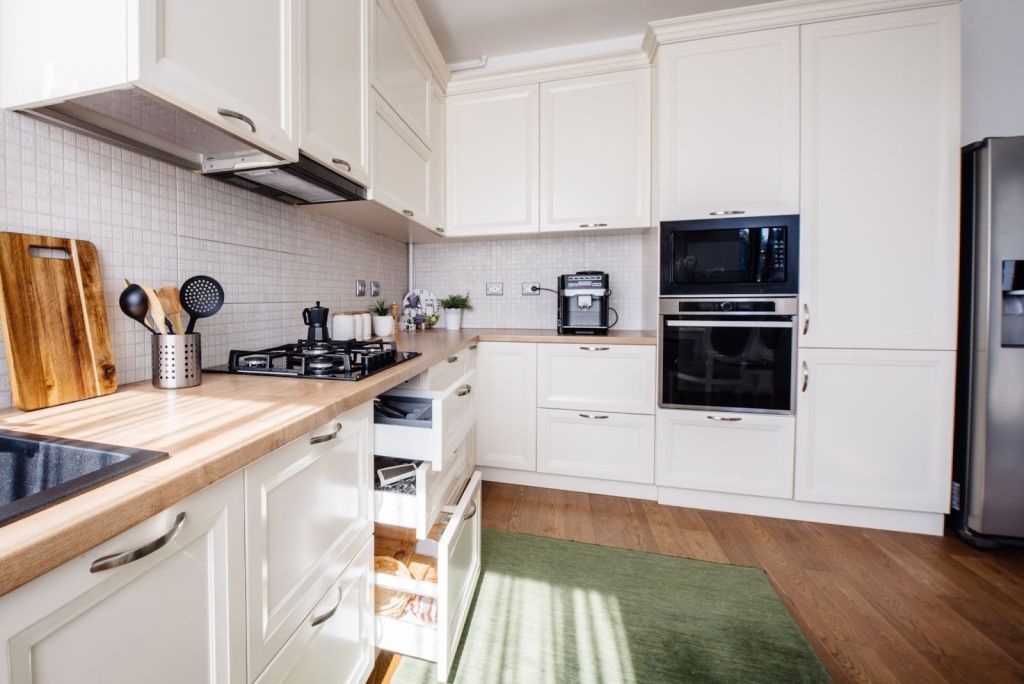
Custom cabinetry aligns with household routines. Deep drawers store cookware efficiently. Vertical dividers organize trays and boards. Pull-out shelves reduce strain. These layouts maximize usable space. Custom design improves comfort.
Pantry Designs That Support Organization
Pantry spaces now act as organized storage zones. Adjustable shelving adapts to changing needs. Pantry walls integrate seamlessly with cabinetry. These features reduce countertop clutter. Access becomes faster and easier. Pantries improve workflow.
Hidden Storage That Preserves Visual Calm
Hidden storage maintains clean sightlines. Appliance garages conceal small devices. Toe-kick drawers use overlooked space. Integrated waste systems remain discreet. These features support the organization quietly. Visual calm enhances modern kitchens.
Design Elements That Improve Kitchen Comfort
Comfort now defines successful kitchen design. Homeowners want kitchens that feel welcoming. Material and color choices shape the atmosphere. These elements support livability.
Color Palettes That Feel Warm and Livable
Warm palettes replace stark whites. Earth tones create calm environments. Muted shades age gracefully. These colors suit various styles. Balance matters for resale. Warm tones increase comfort.
Textures That Add Depth Without Excess
Natural textures introduce visual interest. Wood and stone feel familiar. Matte finishes hide wear better. These materials simplify maintenance. Texture adds depth subtly. Comfort improves through material choice.
Backsplashes Used as Intentional Focal Points
Backsplashes now act as design anchors. Large-format tiles reduce grout lines. Slab surfaces create seamless transitions. Patterns add character without clutter. Durability remains essential. Purposeful backsplashes enhance balance.
Cost-Aware Improvements With Measurable Value
Cost-aware improvements focus on return rather than scope. Homeowners prefer upgrades with lasting impact. Strategic choices often outperform complete renovations. These improvements respect financial planning.
Updating Cabinets Without Full Replacement
Cabinet refacing refreshes the appearance affordably. Refinishing restores surfaces effectively. Updated hardware modernizes style. These methods extend cabinet lifespan. Results remain visually strong. Cost control improves satisfaction.
Lighting Changes That Reshape the Space
Lighting upgrades significantly alter the kitchen atmosphere. Under-cabinet lighting improves visibility. Pendant fixtures add personality. LED options reduce energy use. Installation causes minimal disruption. Lighting delivers strong returns.
Spending Where Function Matters Most
Functional upgrades deserve priority. Layout changes improve usability. Storage upgrades increase satisfaction. Visual updates follow practical needs. This approach reduces regret. Value-driven planning supports longevity.
How Design Clarity Reduces Kitchen Decisions
Design clarity reduces kitchen decisions by narrowing choices before selection begins. Clear priorities around layout, materials, and budget remove unnecessary comparisons. This focused approach helps homeowners move forward without second-guessing. Intense design clarity keeps kitchen remodeling decisions consistent from planning through installation.
Simplify Kitchen Material Selections
Simplifying material selections helps homeowners maintain visual cohesion. Instead of evaluating dozens of finishes, designers now limit options within defined ranges. This controlled approach reduces stress while preserving customization. Fewer materials also improve consistency across surfaces. Homeowners gain confidence when choices feel manageable. Simplification supports faster, more satisfying decisions.
Create Finish Systems Instead of Isolated Choices
Finish systems group materials that already work well together. Cabinets, countertops, and hardware align visually by design. This system-based approach prevents clashing elements. Homeowners no longer need to compare every option independently. Visual harmony becomes easier to achieve. These systems reduce second-guessing during selection.
Set Early Design Guardrails
Design guardrails establish boundaries before decisions begin. Budget ranges, color families, and layout priorities guide every choice. This structured planning prevents impulse upgrades later. Guardrails also reduce construction revision cycles. Homeowners feel more in control throughout the process. Clear parameters strengthen kitchen remodeling ideas focused on efficiency.
Refine Your Kitchen Remodel for Real Living
A kitchen remodel works best when guided by clear priorities and executed with experience. Owners who partner with a qualified remodeling contractor gain practical insight that prevents costly missteps. Professional guidance helps align layout, materials, and systems with how the space functions day to day. The next step is to work with a builder who understands both design intent and real-world construction.
For deeper guidance and homeowner-focused remodeling insight, visit the Behan Builders blog and stay informed before you plan.