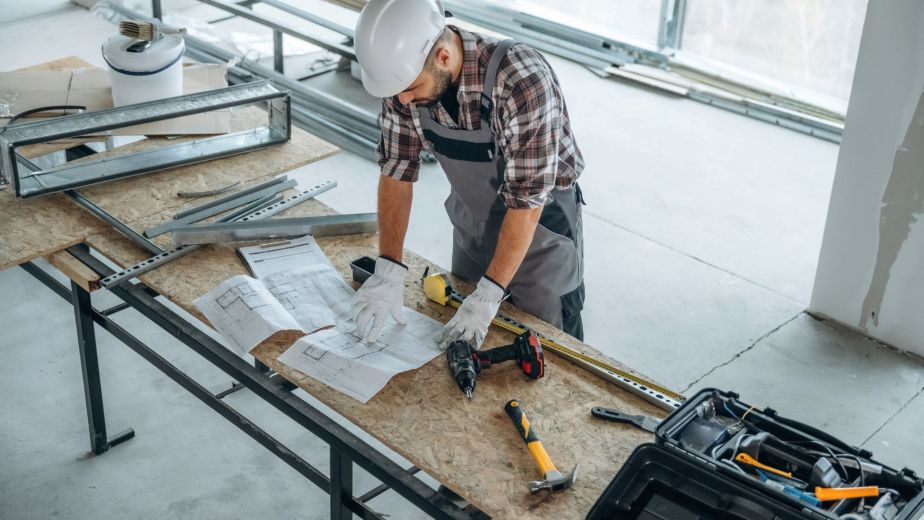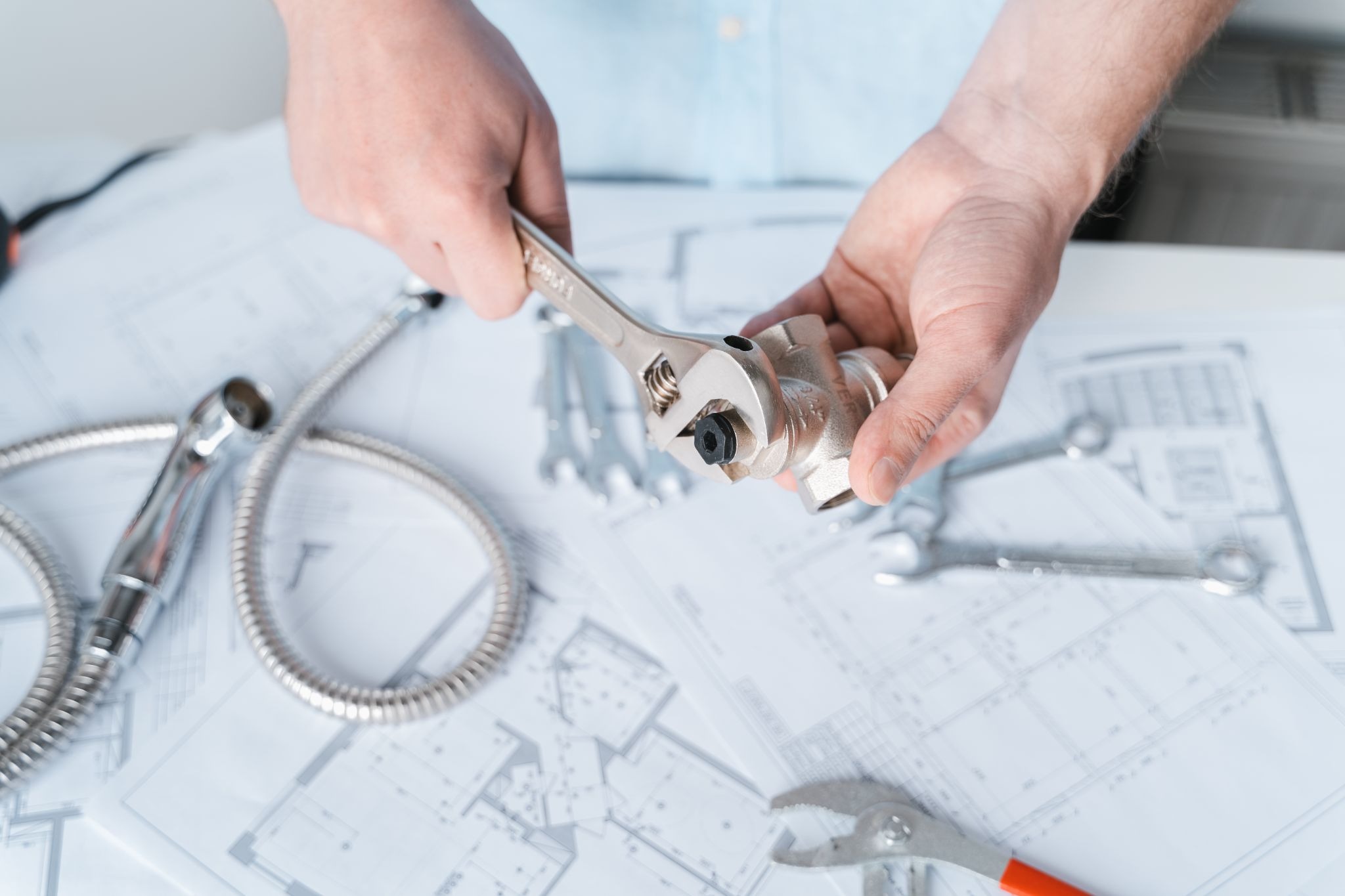
Property owners often notice plumbing problems during renovations or facility upgrades. Old pipes, slow drains, and unreliable fixtures disrupt daily routines and business operations. These issues also increase water costs and reduce the building’s overall efficiency. Many renovation projects, therefore, include plumbing updates that improve water flow and system performance. That process often leads to what contractors call a plumbing remodel, which upgrades the plumbing network to support modern use.
Plumbing Remodel Meaning and Scope
A plumbing remodel is the upgrading or redesigning of a building’s water supply and drainage systems. Property owners usually include this work in kitchen, bathroom, or full-property renovations. Contractors review pipe routes, fixture locations, and water pressure before making system changes. This remodeling approach creates a plumbing layout that supports modern appliances, reliable water flow, and efficient drainage.
What a Plumbing Remodel Includes
A plumbing remodel includes replacing pipes, updating fixtures, and modifying drainage layouts. Contractors may reroute supply lines when renovation plans change room layouts. For example, a new kitchen island sink requires new water lines beneath the floor. Plumbers often replace aging galvanized pipes with durable materials such as copper or PEX. These materials resist corrosion and improve consistent water pressure throughout the building. Additionally, remodel projects frequently install efficient toilets, faucets, and shower systems that reduce water consumption.
Plumbing Remodel vs Plumbing Repair
A plumbing repair fixes a specific problem within an existing plumbing system. Common examples include repairing leaks, clearing clogged drains, or replacing broken valves. A plumbing remodel, in contrast, addresses the entire system layout and long-term functionality. Contractors examine how pipes interact with appliances, bathrooms, and drainage lines. This system-focused approach allows plumbers to redesign inefficient pipe routes and aging connections. As a result, the building gains a plumbing system designed for current water demands.
Signs Your Plumbing Needs Remodeling
Certain plumbing issues signal the need for a remodel rather than repeated repairs. Low water pressure across several fixtures often indicates pipe corrosion or buildup. Property owners may also notice frequent leaks behind walls or under floors. These recurring problems suggest deeper structural plumbing issues within the system. Rising water bills sometimes result from outdated fixtures that waste water daily. When these conditions occur together, remodeling the plumbing system is often the practical solution.
Benefits of a Plumbing Remodel
A plumbing remodel improves how water moves through residential and commercial buildings. Modern plumbing systems reduce the inefficiencies created by older pipe networks. Contractors design upgraded systems that support current appliances and higher water demand. This improvement results in better performance, lower water waste, and improved long-term reliability.
Improved Water Efficiency and Flow
A plumbing remodel improves water efficiency by updating fixtures and modernizing pipe layouts. New low-flow faucets and toilets reduce unnecessary water use without reducing performance. Efficient pipe routing shortens the distance water travels within the system. This design improvement helps water reach fixtures more quickly and reduces waste. Property owners often notice lower water bills after these upgrades. Additionally, efficient plumbing supports sustainable building practices recognized by organizations such as the U.S. Environmental Protection Agency’s WaterSense program.
Reliable Plumbing System Performance
Old plumbing systems struggle to support modern appliances and heavy daily use. Dishwashers, washing machines, and commercial equipment require steady water pressure. Remodeling replaces weakened pipes that restrict flow or leak under pressure. New plumbing materials maintain a consistent water supply across multiple fixtures. Contractors also install updated shutoff valves and access points for easier maintenance. This plumbing infrastructure improvement reduces unexpected breakdowns and costly emergency repairs.
Compliance With Modern Plumbing Codes
Building codes regulate how plumbing systems operate within residential and commercial properties. Older properties sometimes contain materials or designs that current regulations no longer allow. Plumbing remodel projects allow contractors to replace outdated components. Inspectors may review drainage slope, pipe materials, and ventilation systems during the process. These code updates improve sanitation and safety throughout the building. A compliant plumbing system also simplifies property inspections during sales or lease agreements.
Increased Property Value and Appeal
A modern plumbing system enhances a property’s long-term value. Buyers and tenants appreciate buildings with reliable water systems and updated fixtures. Renovated plumbing also supports energy-efficient appliances and sustainable infrastructure. These improvements help reduce property owners’ operating costs. Updated plumbing records provide confidence during real estate transactions. Consequently, a plumbing remodel often increases a property’s appeal in competitive markets.
Key Plumbing Remodel Components
A plumbing remodel upgrades several interconnected parts of a building’s water system. Contractors evaluate supply lines, drainage systems, fixtures, and water heating equipment. Each component affects how water enters, circulates, and exits the property. This comprehensive review helps create a balanced, reliable plumbing network.
Pipe Replacement and Material Upgrades
Pipe replacement forms the foundation of many plumbing remodel projects. Older buildings often contain materials that corrode or deteriorate over time. Contractors frequently install PEX, CPVC, or copper pipes during renovations. These materials handle pressure changes and temperature variations more effectively. Modern piping also resists mineral buildup that restricts water flow. This piping upgrade improves the durability and long-term performance of the plumbing system.
Installing Modern Plumbing Fixtures
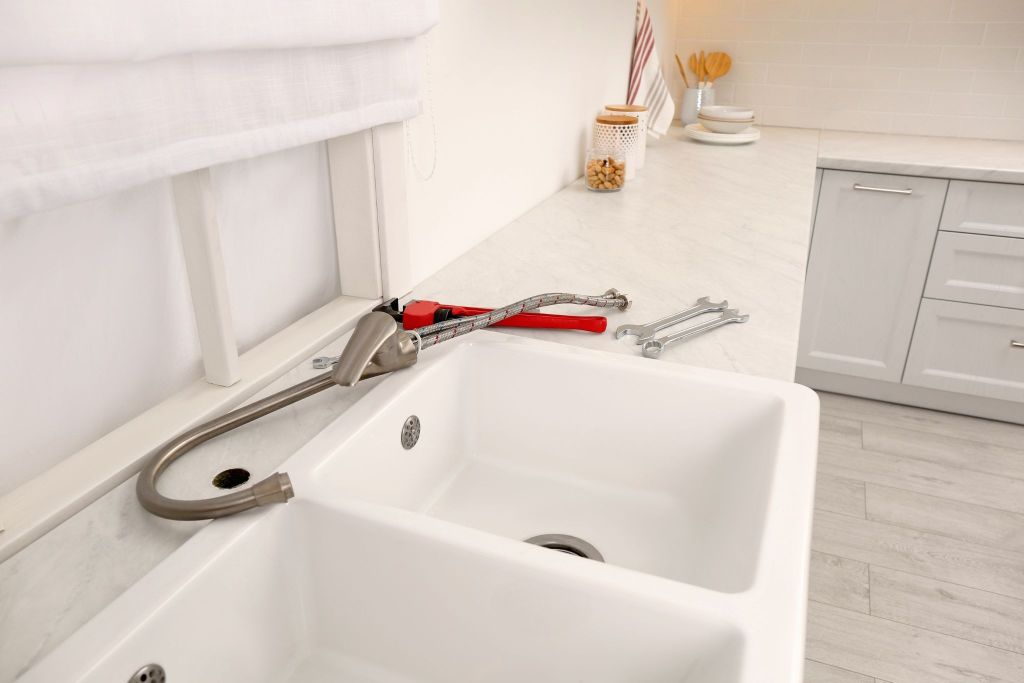
Fixture upgrades improve how users interact with the plumbing system every day. Property owners often replace sinks, toilets, showers, and faucets during remodeling. These fixture improvements are common in kitchens and bathrooms, where water use remains constant. Businesses may also upgrade restroom fixtures to handle higher traffic. Plumbers carefully connect each fixture to the supply and drainage lines. Proper installation prevents leaks and protects surrounding surfaces from water damage.
Drainage and Ventilation System Updates
Drainage systems safely convey wastewater away from sinks, toilets, and appliances. Vent pipes balance air pressure within the plumbing system and support proper drainage. Older buildings sometimes lack adequate ventilation, which can cause slow drains or unpleasant odors. Contractors evaluate pipe slopes and vent placement during remodeling projects. This evaluation helps wastewater move smoothly through the drainage network. Improved ventilation also prevents pressure buildup within the plumbing pipes.
Water Heater and Supply Upgrades
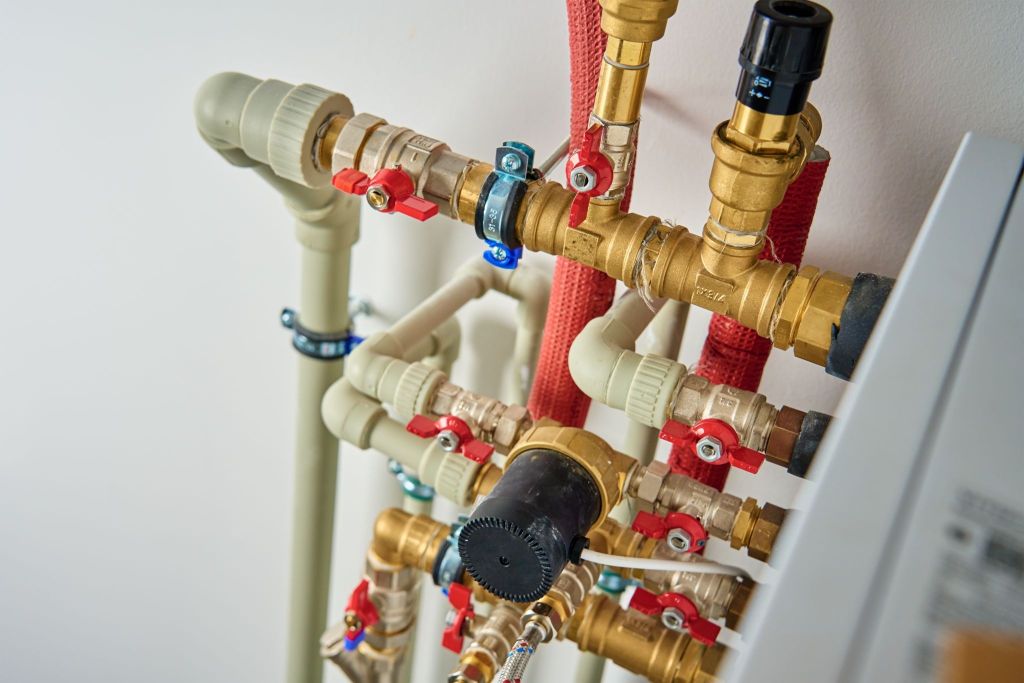
Water heaters provide hot water for kitchens, bathrooms, and commercial operations. Renovations often increase hot water demand within the property. Contractors sometimes replace older water heaters with larger or tankless systems. These units heat water efficiently while reducing standby energy loss. Plumbers also update supply lines that feed the heating system. This upgrade supports reliable hot water access throughout the building.
Planning a Plumbing Remodel Project
A successful plumbing remodel begins with careful planning and system evaluation. Contractors must understand the existing pipe network before redesigning the system. Property owners also review renovation goals, water needs, and available budgets. This planning process reduces construction delays and supports efficient installation.
Plumbing System Inspection and Assessment
A professional plumbing inspection identifies the condition of existing pipes and fixtures. Contractors examine pipe materials, water pressure levels, and drainage performance. Inspection cameras often help plumbers check hidden sections behind walls or underground. These inspection tools reveal corrosion, buildup, or structural damage to the pipe. This evaluation process helps contractors design an effective remodeling strategy. Accurate system assessment prevents unexpected problems during construction.
Budget and Timeline Planning
Every plumbing remodel requires a clear project budget and a realistic schedule. Costs depend on building size, fixture upgrades, and the need for pipe replacement. Commercial properties may require larger plumbing infrastructure changes than residential homes. Contractors usually schedule plumbing installation before the walls and flooring are closed. This construction order allows plumbers access to pipe routes and structural spaces. Clear budgeting and scheduling help property owners prepare for temporary disruptions.
Working With Licensed Plumbing Experts
Licensed plumbing contractors bring technical experience to remodeling projects. Professional plumbers understand building codes, pipe materials, and safe installation methods. Contractors also coordinate plumbing work with electricians, carpenters, and renovation teams. This collaboration keeps construction progress organized and efficient. Experienced plumbers often suggest layout improvements that enhance water efficiency. Their expertise supports durable plumbing systems designed for long-term use of the property.
Plumbing Remodel Challenges to Expect
A plumbing remodel can reveal hidden conditions inside walls, floors, or ceilings. Renovation projects often expose aging pipes or structural limitations. Contractors plan for these discoveries during the inspection stage. This preparation helps keep the remodeling process organized and manageable.
Hidden Pipe Damage Behind Walls
Many plumbing problems remain hidden until renovation work begins. Contractors sometimes discover corroded pipes or cracked connections behind walls. Mineral buildup inside pipes may also restrict water flow. These conditions often require replacing entire pipe sections during remodeling. Addressing hidden pipe damage prevents future leaks and structural problems. This repair work strengthens the reliability of the entire plumbing system.
Temporary Water Service Interruptions
Plumbing remodel projects often require shutting off the building’s water supply. Contractors must disconnect existing pipes before installing new plumbing lines. Homes may lose access to water for several hours during installation. Businesses sometimes schedule plumbing work outside operating hours to reduce disruption. Clear communication helps property owners plan around these temporary interruptions. This scheduling strategy keeps the renovation process moving efficiently.
Coordinating Plumbing With Renovation Work
Plumbing installation must align with structural and electrical construction tasks. Plumbers typically install pipes before drywall, cabinets, or flooring appear. Electricians and contractors often share wall cavities and ceiling spaces with plumbing lines. Regular coordination meetings help construction teams stay aligned. This coordination prevents conflicts between pipes, wiring, and structural components. Organized teamwork supports smooth progress on the renovation throughout the project.
Upgrade Your Property With a Plumbing Remodel
A plumbing remodel replaces outdated pipes and improves water flow throughout the building. Property owners gain better efficiency, stronger water pressure, and fewer unexpected plumbing issues. Renovation periods create the ideal moment to improve hidden infrastructure before walls close again. Updated plumbing systems support modern appliances and growing water demand. Consult a licensed plumbing professional and plan a plumbing remodel that strengthens your property’s long-term performance.
Smart renovation decisions start with reliable information. Browse the Behan Builders blog for professional insights on plumbing remodels and building upgrades.