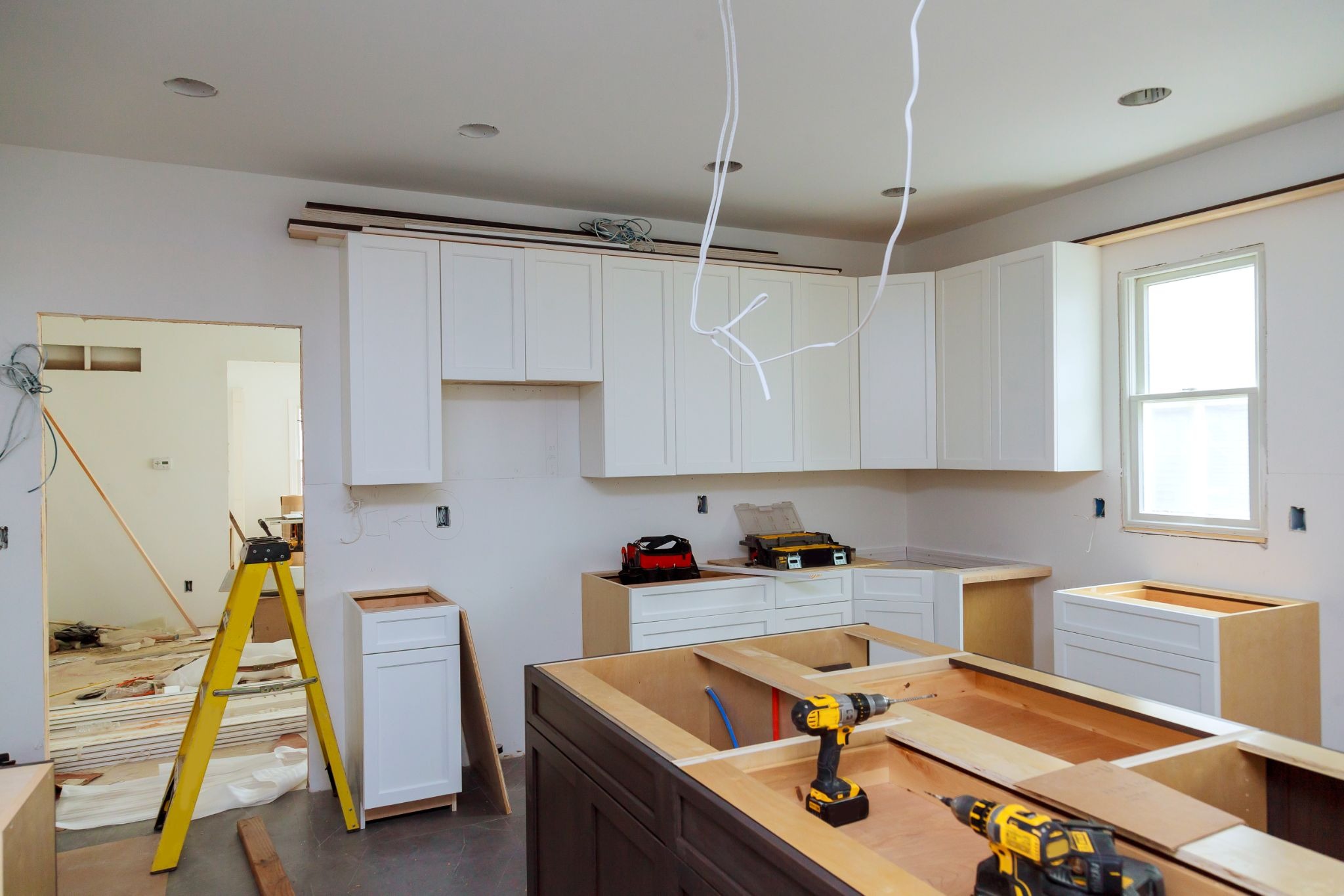
Property improvement projects often begin with clear goals and exciting possibilities. As work progresses, property owners and managers frequently encounter scheduling challenges, budget concerns, and unexpected decisions. Professional general contractor services help organize every stage of the process while reducing unnecessary stress. Many successful renovations rely on experienced project management rather than individual coordination efforts. Understanding how contractor-led construction works can help owners make better choices before work begins.
Understanding General Contractor Services
Construction projects involve many responsibilities that extend beyond physical labor. Owners often need someone to coordinate workers, schedules, permits, and materials. A contractor brings these responsibilities together under one point of management. This construction oversight helps projects stay organized from planning through completion.
What Are General Contractor Services?
General contractor services include planning, scheduling, budgeting, labor management, and construction oversight. Contractors supervise residential and commercial construction projects and coordinate all required trades. They communicate with subcontractors, suppliers, inspectors, and homeowners throughout the project. This coordination reduces confusion and supports smoother project execution. Property owners gain a single point of contact for questions and updates. This management structure creates greater consistency throughout construction activities.
What Does a General Contractor Do?
A contractor manages the daily operations of a renovation or construction project. They schedule work, order materials, and monitor project progress. Contractors also coordinate electricians, plumbers, roofers, carpenters, and other specialists. They help resolve problems before delays affect the project schedule. This professional oversight keeps different construction phases moving in the correct order. Property owners spend less time managing multiple service providers.
Projects Handled by General Contractors
Many construction projects require coordination between multiple trades, suppliers, and schedules. Managing these responsibilities becomes more challenging as the project scope increases. Contractors organize each phase while maintaining communication among everyone involved. This project management approach helps keep work efficient, organized, and aligned with project goals.
Kitchen and Bathroom Remodeling
Kitchen remodeling often involves plumbing, electrical work, cabinetry, flooring, and finishes. Bathroom renovations typically require similar coordination among multiple specialists. Contractors organize these tasks according to a structured schedule. They help reduce delays that commonly occur when trades overlap. This planning process supports steady project progress. Homeowners benefit from improved communication throughout the renovation.
Additions, Conversions, Roofing, and Structural Work
Property expansions and major upgrades often involve several stages of planning and construction. Room additions and conversions require coordination among multiple trades and compliance with regulatory requirements. Roofing projects may also involve inspections, material procurement, and specialized installation teams. Structural work often requires careful evaluation to maintain safety and compliance throughout construction. General contractors manage these responsibilities while keeping schedules, budgets, and communication organized. This oversight helps projects progress more efficiently and reduces the risk of costly delays or mistakes.
Office and Commercial Renovations
Contractors also manage commercial renovations that improve functionality, appearance, and operational efficiency. These projects may include office remodels, retail build-outs, tenant improvements, and facility upgrades. Construction schedules often require careful planning to minimize disruptions to daily operations. Contractors coordinate subcontractors, inspections, permits, and material procurement throughout the project. This management approach helps businesses maintain productivity while renovations progress. Property owners benefit from streamlined communication and organized project execution.
Benefits of Professional Construction Oversight
Construction projects involve hundreds of decisions throughout the building process. Professional management helps homeowners avoid many common project challenges. General contractors provide structure, communication, and industry experience from beginning to end. Several advantages make professional oversight a practical investment.
Better Scheduling and Coordination
Construction schedules depend on proper sequencing between trades and suppliers. Contractors create timelines that support efficient project progression. They coordinate workers to reduce downtime between project phases. This organization helps prevent scheduling conflicts and unnecessary delays. Property owners receive regular updates regarding project status. This communication increases visibility across construction activities.
Access to Industry Knowledge
Experienced contractors understand construction methods, products, and building requirements. They can recommend materials based on durability and long-term value. Contractors often maintain relationships with trusted subcontractors and suppliers. These connections can help improve project efficiency and product availability. This expertise helps owners make informed decisions during renovations. Better guidance often reduces expensive mistakes.
Improved Accountability Throughout the Project
Construction projects involve many people, tasks, and deadlines that must stay aligned. A contractor creates a clear chain of responsibility for every phase of the work. Owners know who to contact when questions or concerns arise. This accountability helps prevent misunderstandings between different trades and service providers. Contractors also track progress and follow up on outstanding issues before they affect the schedule. This structured oversight supports smoother communication and more reliable project outcomes.
How Contractors Plan Before Construction Starts
Successful projects begin long before workers arrive at the property. Early planning helps establish realistic expectations and project objectives. Property owners who prepare carefully often experience fewer complications during construction. Several planning steps deserve close attention before work begins.
Defining Renovation Goals
Every project should start with clear priorities and measurable objectives. Some homeowners focus on functionality while others prioritize appearance or resale value. Written goals help guide decisions throughout the renovation process. Contractors can provide recommendations that align with those priorities. This planning stage supports better communication between all parties. Owners gain greater clarity before construction begins.
Building a Realistic Budget
Construction budgets should include labor, materials, permits, and contingency funds. Unexpected discoveries can increase costs during renovation projects. Contractors provide estimates that reflect project scope and requirements. This financial planning helps owners prepare for potential adjustments. Better budgeting supports informed decision-making throughout construction. Homeowners often experience fewer financial surprises during the project.

When Property Owners Should Hire a Contractor
Some projects remain manageable without professional oversight. Larger renovations often require experience that extends beyond basic property improvement knowledge. Contractors help organize responsibilities that quickly become difficult to manage on one’s own. Several situations indicate professional involvement may be beneficial.
Signs Professional Oversight is Needed
Projects involving multiple trades usually benefit from centralized coordination. Permit requirements can also create administrative challenges for homeowners. Tight timelines often require detailed scheduling and consistent communication. Contractors help organize these responsibilities under one management structure. This oversight reduces the likelihood of missed tasks and delays. Owners gain greater control through professional project management.
Projects That Require Contractor Management
Major renovations often involve structural changes, electrical work, and plumbing modifications. Room additions typically require inspections and permit approvals throughout construction. Roofing replacements may involve multiple crews working on coordinated schedules. Contractors manage these moving parts while maintaining project organization. This coordination supports smoother execution and stronger accountability. Property owners benefit from a more structured construction process.
How General Contractors Handle Compliance
Construction work must meet established requirements before projects can move forward. Regulatory compliance affects safety, quality, and long-term property value. Contractors understand how these requirements apply to residential construction projects. This knowledge helps reduce delays and administrative complications.
Managing Permit Requirements
Permit requirements vary depending on the type and scope of construction work. General contractors identify which permits a project needs before construction begins. They prepare documentation, coordinate submissions, and communicate with local authorities throughout the approval process. This guidance helps prevent delays caused by missing or incorrect paperwork. Owners benefit from a smoother process and fewer administrative responsibilities. Proper permit management also creates a documented record of completed work.
Coordinating Inspections and Code Compliance
Construction projects must meet established building codes and inspection requirements. General contractors schedule inspections at key stages of the project and address issues that require attention. They work with subcontractors to help keep construction aligned with applicable regulations. This oversight reduces the risk of failed inspections and costly corrections. Owners gain confidence knowing the work meets current standards. Compliance also supports long-term safety, functionality, and property value.
Risks of Managing Construction Alone
Many property owners consider managing renovations without professional assistance. Smaller projects may work well with direct homeowner involvement. Larger renovations often create challenges that require significant coordination and experience. Several risks deserve careful consideration before taking that approach.
Common Scheduling and Budget Problems
Construction delays often occur when trade schedules fail to align properly. Material shortages can create additional complications during busy periods. Budget overruns frequently result from unexpected project changes. Contractors help anticipate and manage these challenges. This planning supports more predictable project outcomes. Owners reduce stress through organized project management.
Permit and Inspection Mistakes
Permit requirements can become confusing for homeowners unfamiliar with construction regulations. Missed approvals may delay projects or require corrective work. Inspection failures can increase costs and extend project timelines. Contractors understand how to navigate these requirements effectively. This expertise reduces administrative errors and project interruptions. Property owners benefit from greater regulatory compliance.
Common Questions About General Contractor Services
Owners often ask similar questions before hiring a contractor. Clear answers help simplify the decision-making process. Understanding these fundamentals can improve project planning and expectations. This information addresses some of the most common concerns.
What is the Difference Between a Contractor and a Subcontractor?
A general contractor manages the entire construction project from beginning to end. A subcontractor performs specialized work such as plumbing or electrical installation. Contractors coordinate subcontractors according to project schedules and requirements. Property owners usually communicate directly with the contractor rather than with individual trades. This structure creates a more organized workflow. Accountability remains centralized throughout the project.
How Much Do Contractor Services Cost?
Project costs depend on size, complexity, labor requirements, and material selections. Small remodeling projects generally cost less than large additions or structural renovations. Contractors provide estimates based on project specifications and goals. Property owners should review pricing carefully before approving work. This financial planning helps establish realistic expectations. Contingency funds can help address unexpected project developments.
Simplify Renovations With General Contractor Services
Every property improvement project creates opportunities to add value, improve functionality, and avoid future repairs. The difference often comes down to how well the work is planned and managed from the beginning. General contractor services bring structure, coordination, and professional oversight to every stage of construction. Choosing experienced project management today can help prevent costly setbacks and deliver results that continue to benefit your home for years to come.
The best project outcomes often begin with the right information. Browse the Behan Builders blog to discover expert perspectives, planning strategies, and helpful resources for your next property improvement project.