
Many homeowners feel the pressure of limited space as needs change over time. Rising housing costs push families to rethink how they use their property. ADU construction offers a practical way to expand living space without moving. It allows homeowners to create independent units for family or income. That flexibility makes it a compelling option for long-term property planning.
ADU Construction Basics and Definition
ADU construction means building a secondary, self-contained living space on an existing residential lot. This approach creates an independent unit with its own kitchen, bathroom, and sleeping area. Homeowners use these units for rental income, family housing, or personal space. That definition helps clarify why these structures differ from simple home additions.
What is an Accessory Dwelling Unit
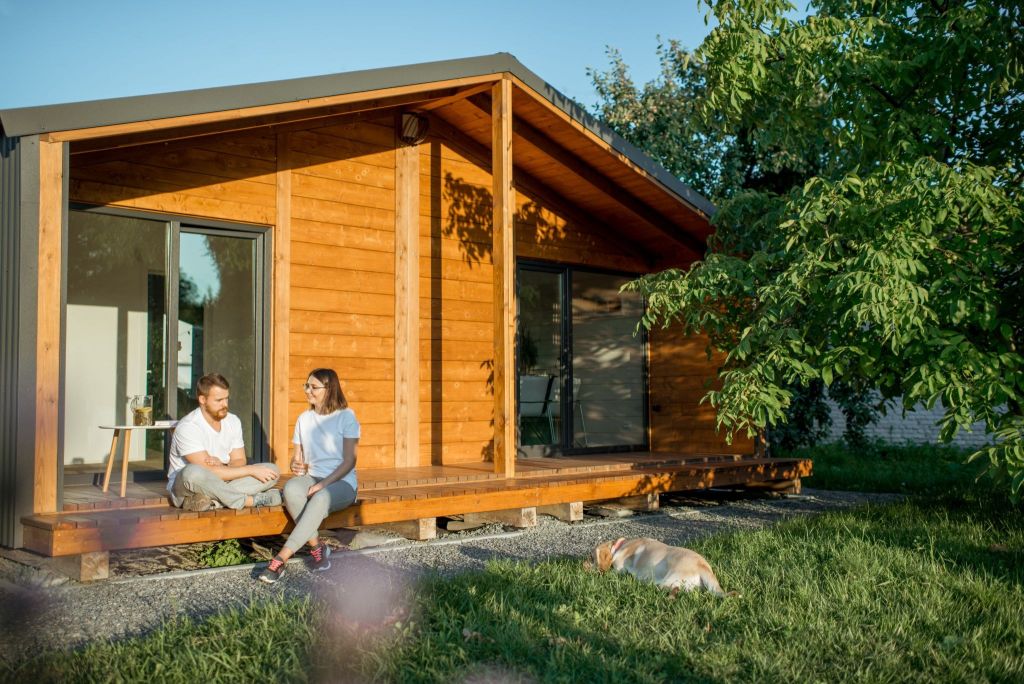
An accessory dwelling unit is a fully functional secondary home on the same property. This structure includes essential features that allow independent daily living without relying on the main house. Detached units stand apart, while attached versions share a wall with the primary residence. Interior conversions adapt basements, attics, or garages into usable space. Each format meets different property layouts and homeowner goals. That flexibility explains why ADUs suit both compact and spacious lots.
Common Types of ADU Construction Projects
ADU construction projects vary based on property size, layout, and intended use. Detached units offer the highest level of privacy and often resemble small standalone homes. Attached ADUs connect directly to the main house, reducing construction costs. Garage conversions provide a cost-effective option by repurposing existing structures. Prefabricated units shorten timelines through factory-built components. That range of choices allows homeowners to match their design to their budget and lifestyle.
Why ADU Construction is Increasing
ADU construction continues to grow due to housing demand and changing family needs. Homeowners look for ways to generate income without buying additional property. Multi-generational living has become more common, which increases demand for flexible housing solutions. These units often raise property value, which adds long-term financial appeal. Local governments have also relaxed zoning rules in many areas. That combination of factors drives steady interest in ADU development.
Planning an ADU Construction Project
Planning an ADU construction project requires careful evaluation of rules, costs, and property conditions. This process helps avoid delays and prevents costly mistakes during building. Homeowners who prepare early tend to experience smoother project timelines. That preparation supports better decisions at every stage.
Zoning Laws for ADU Construction
Zoning laws define what you can build and where you can place an ADU. This legal framework sets limits on unit size, height, and distance from property lines. Some jurisdictions require additional parking or restrict short-term rentals. Permits and inspections remain mandatory throughout construction. Working with local planning offices helps clarify requirements before building begins. That step reduces the risk of delays or redesigns later.
Budgeting for ADU Construction Costs
ADU construction costs depend on size, materials, labor, and location. This expense range often includes permits, design fees, and utility connections. Unexpected issues, such as soil conditions or structural upgrades, can increase costs. Homeowners should allocate extra funds to cover these potential changes. Financing options include home equity loans, construction loans, or savings. Financial planning helps maintain control over the project budget.
Choosing the Best ADU Placement
ADU placement affects privacy, accessibility, and overall usability of the space. This decision requires attention to lot size, setbacks, and existing structures. A well-placed unit allows for efficient utility connections and natural light. Drainage and landscaping also influence placement decisions. Homeowners should consider how the unit fits within the overall property layout. That thoughtful positioning improves both function and long-term value.
ADU Design for Space and Comfort
ADU design focuses on maximizing comfort within a limited footprint. This approach balances efficient layouts with practical features that support daily living. Homeowners benefit from designs that adapt to changing needs over time. That strategy leads to better usability and long-term satisfaction.
Selecting an Efficient ADU Floor Plan
An efficient floor plan uses available space without creating unnecessary constraints. This layout often includes open areas that combine living, dining, and kitchen functions. Defined zones can still provide privacy for sleeping and work areas. Storage solutions help reduce clutter and maintain organization. Natural light improves the sense of space within smaller units. That combination of elements creates a comfortable and functional living environment.
Energy-Efficient ADU Design Features
Energy-efficient features reduce operating costs and improve long-term sustainability. This design approach includes proper insulation, energy-efficient windows, and modern appliances. Solar panels may provide additional energy savings where feasible. Efficient heating and cooling systems maintain indoor comfort year-round. Water-saving fixtures also contribute to lower utility expenses. That investment supports both environmental and financial benefits.
Flexible ADU Design for Future Needs
Flexible design allows an ADU to adapt as needs change over time. This adaptability supports transitions from rental use to family housing or workspace. Multi-purpose rooms increase usability without requiring structural changes. Accessibility features improve convenience for aging occupants or guests. Durable materials reduce maintenance and extend the unit’s lifespan. That forward-thinking approach keeps the ADU relevant for years to come.
ADU Privacy Design and Daily Living
ADU construction should account for how people live and interact on shared property. This design approach focuses on privacy, comfort, and everyday behavior. Poor planning can lead to tension between occupants over time. That human-centered perspective improves long-term satisfaction for everyone involved.
Designing for Visual and Physical Privacy
Privacy begins with the thoughtful placement of doors, windows, and outdoor areas. This design reduces direct sightlines between the main home and the ADU. Separate entrances help create a sense of independence for occupants. Fencing, landscaping, and pathways also define personal space. These features support comfort without making the property feel divided. That balance helps maintain a cohesive yet private environment.
Managing Noise and Shared Boundaries
Noise control plays a crucial role in shared property living. This concern includes sound transfer through walls, floors, and outdoor spaces. Insulation and building materials can reduce unwanted noise between units. Placement of bedrooms and living areas also affects sound levels. Outdoor noise, such as parking or gatherings, should be considered during planning. That attention to sound improves daily comfort for both households.
Creating Functional Separation Without Isolation
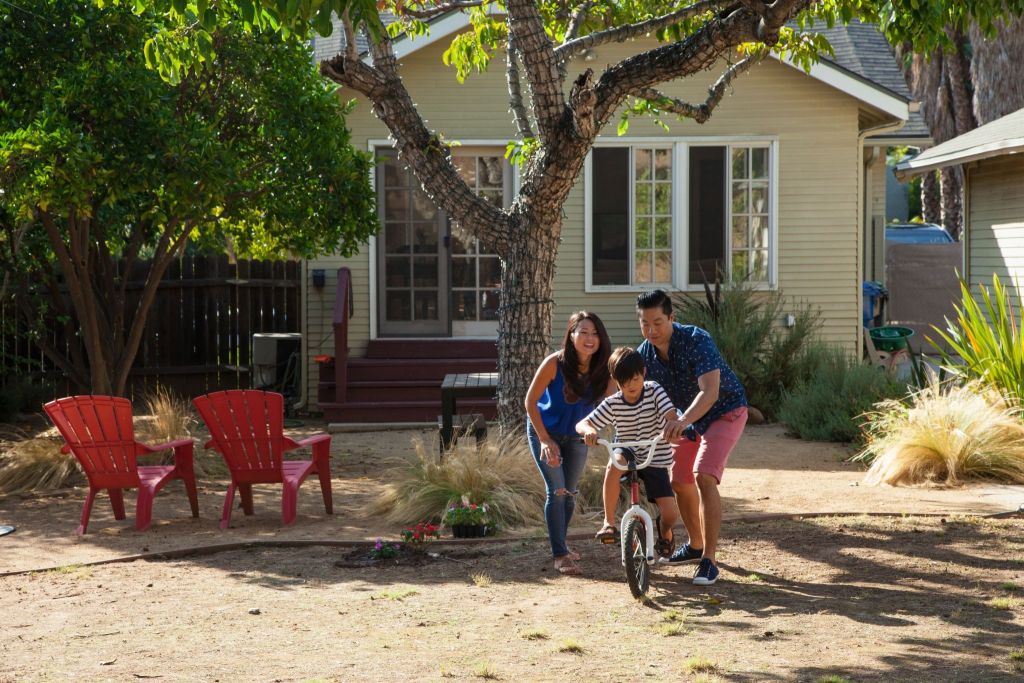
Functional separation allows both spaces to operate independently while staying connected. This design includes separate utilities, mail access, and outdoor zones when possible. Shared driveways or yards should include clear boundaries for use. At the same time, the property should still feel unified and well-designed. Small details like lighting and pathways influence how spaces connect. That thoughtful integration supports both independence and harmony.
The ADU Construction Process
The ADU construction process follows a structured sequence from planning to completion. This process includes design approval, site preparation, and building phases. Homeowners benefit from understanding each stage before construction begins. That awareness helps manage expectations and timelines.
Hiring ADU Construction Contractors
Hiring the right ADU contractor improves build quality and project efficiency. This decision requires reviewing licenses, past work, and client feedback. Experienced contractors understand the unique requirements of ADU construction. Clear communication helps prevent misunderstandings during the project. Written agreements outline timelines, costs, and responsibilities. That clarity supports a smoother construction experience.
Key Steps in ADU Construction Work
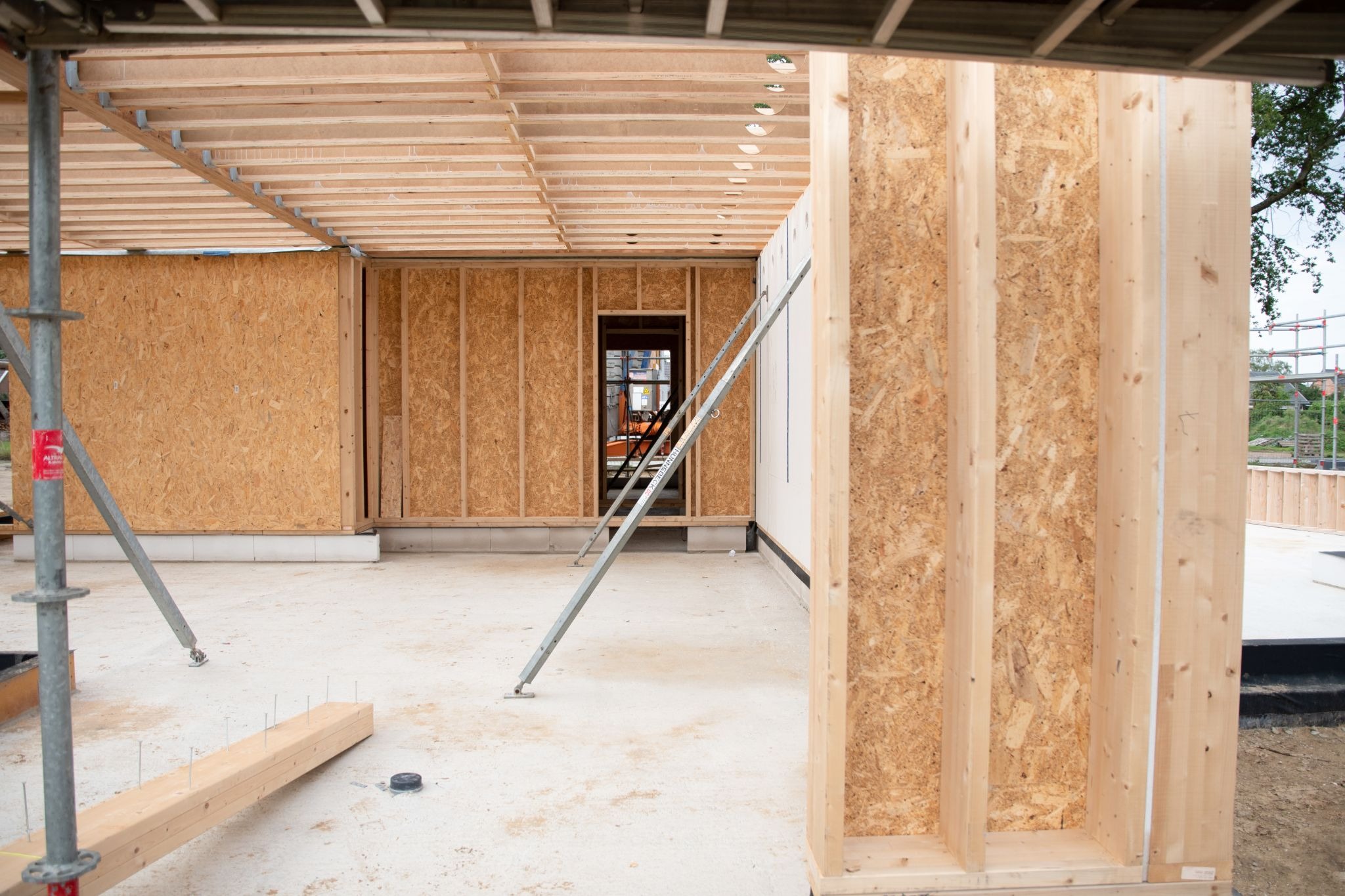
ADU construction begins with site preparation and foundation work. This phase sets the structural base for the entire unit. Framing follows to establish walls, roofing, and layout. Mechanical systems such as plumbing, electrical, and HVAC come next. Inspections verify compliance with building codes at different stages. That step-by-step progression leads to a completed living space.
Managing ADU Construction Timelines
Construction timelines vary based on project size and complexity. This schedule often depends on weather conditions and material availability. Delays can occur, requiring homeowners to be flexible. Regular updates from contractors help track progress and address issues. Staying involved allows quick decisions when adjustments are needed. That engagement helps keep the project aligned with original goals.
How to Maximize Value From ADU Construction
Maximizing value from ADU construction involves smart usage and ongoing care. This approach helps homeowners gain financial and lifestyle benefits from their investment. Strategic decisions after construction can improve long-term returns. That mindset supports both immediate and future advantages.
Rental Income From ADU Units
ADUs can generate consistent income through long-term or short-term rentals. This opportunity depends on local regulations and market demand. Long-term rentals provide stable monthly revenue for homeowners. Short-term rentals may offer higher returns but require active management. Tenant screening helps maintain a positive rental experience. That income potential can offset construction costs over time.
ADUs for Family and Personal Use
ADUs provide flexible housing for family members or personal needs. This setup supports multi-generational living with added privacy. Homeowners may use the unit as a home office or creative studio. Guest accommodations also become easier with a separate living space. The added flexibility improves overall property functionality. That versatility makes ADUs a practical long-term solution.
Maintaining and Upgrading Your ADU
Regular maintenance keeps the ADU functional and appealing over time. This upkeep includes inspecting systems, repairing wear, and updating interiors when needed. Efficient systems help reduce long-term operating costs. Landscaping enhances the appearance and integration with the main property. Periodic upgrades keep the unit competitive in rental markets. That consistent care protects the value of the investment.
Plan Your ADU Construction With Purpose
ADU construction works best when each decision supports a clear goal for your property. This approach helps you avoid costly missteps and create a space that stays useful over time. Small choices made during planning often shape long-term comfort, value, and flexibility. That clarity lets you move forward with confidence and build something that truly fits your needs.
See how thoughtful ADU construction comes together step by step. Head to the Behan Builders blog for expert perspectives and ideas.
