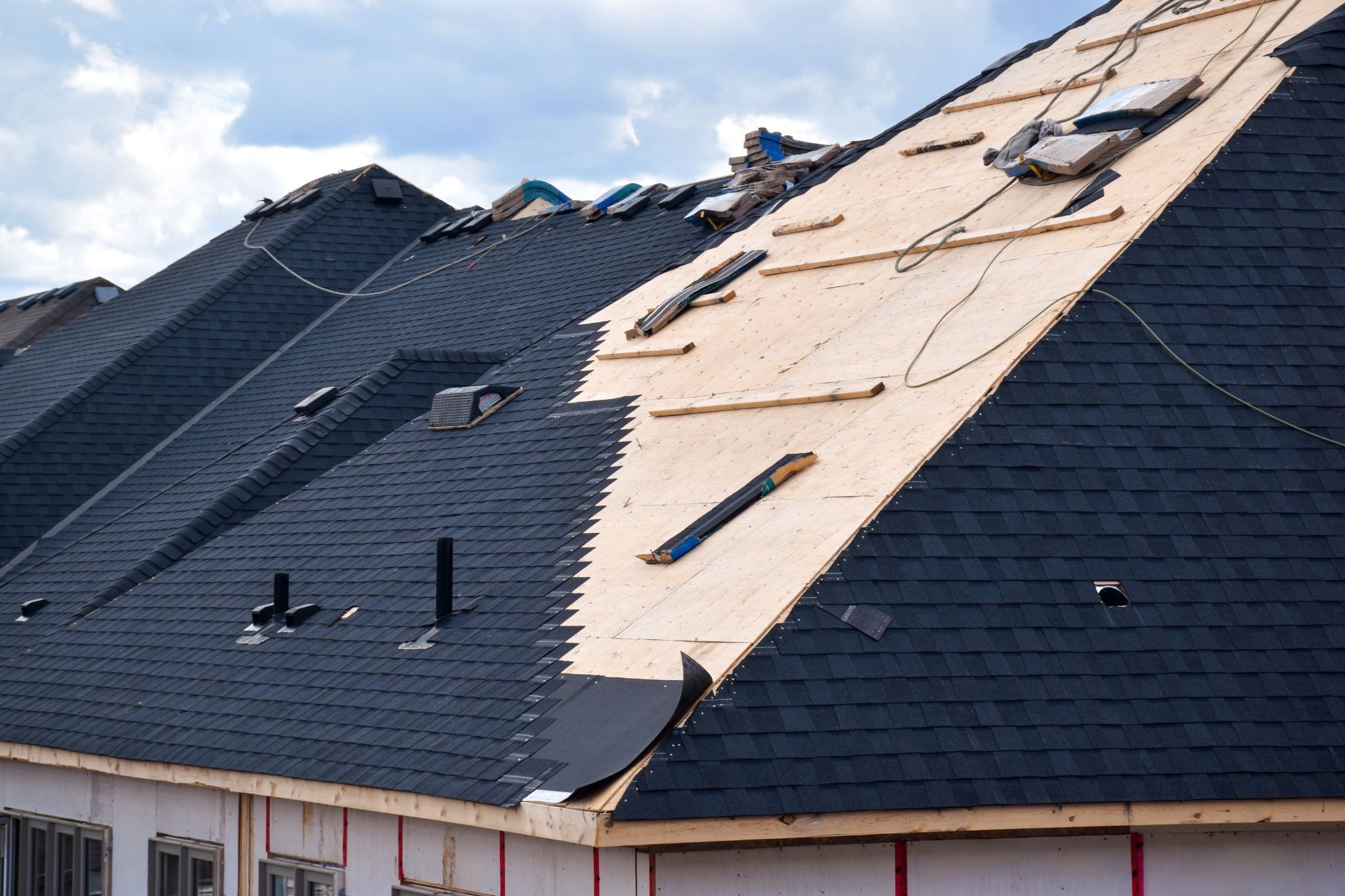
A roof is constantly exposed to weather, temperature changes, and daily wear. Over time, even durable roofing materials begin to lose their effectiveness. Small problems can develop into larger structural concerns when left unaddressed, often reaching a point where repairs no longer provide lasting value. Understanding how a roof replacement project works helps property owners make informed decisions before problems escalate.
Understanding the Need for a New Roof
Every roofing system has a finite lifespan. Age, weather exposure, and material deterioration gradually reduce performance. Recognizing replacement indicators early helps property owners avoid unexpected expenses. A clear understanding of roof conditions creates a better starting point for planning.
When Does a Roof Need Replacement?
A roof often requires replacement when repairs become frequent and costly. Missing shingles can expose underlying materials to moisture and weather damage. Persistent leaks may indicate widespread deterioration beneath the surface. Commercial roofs can develop membrane failures that affect larger areas. Structural concerns may also emerge when moisture reaches the roof decking. Replacing the roof at the right time often costs less than addressing extensive damage later.
How Does Roof Age Affect Performance?
Roofing materials lose strength and flexibility as they age. Older shingles may crack, curl, or lose protective granules. Metal roofing systems can develop corrosion in vulnerable areas. Membrane roofing may experience seam separation after years of exposure. Aging materials often reduce energy efficiency and weather resistance. Property owners should consider age alongside visible damage when evaluating replacement options.
What Happens if Replacement is Delayed?
Delaying replacement can allow moisture intrusion to spread through the structure. Damaged roof decking may weaken over time and require costly repairs. Mold growth can develop when water remains trapped inside building components. Insulation performance often declines after repeated exposure to moisture. Small roofing problems rarely remain isolated for long periods. Prompt action helps limit repair costs and property disruption.
What to Expect From Roof Replacement Services
Several stages work together to create a durable and reliable roofing system. Property owners who understand each phase can make better decisions throughout the project. The following explains how professional roofing contractors assess, plan, and complete a roof replacement from start to finish.
Roof Inspection and Assessment
A successful project begins with a thorough assessment of existing conditions. Roofing professionals evaluate visible damage and hidden concerns. Inspection findings help determine project scope and material needs.
What Contractors Look for During Inspection
Roofers examine shingles, flashing, vents, and drainage systems for signs of wear. They inspect underlayment conditions when accessible areas allow closer review. Roof decking receives special attention because it supports the entire roofing system. Commercial inspections often include membrane surfaces and insulation conditions. Contractors also document storm damage and structural concerns. These findings help shape recommendations for the work ahead.
Identifying Hidden Roofing Problems
Not all roofing issues remain visible from the surface. Moisture can travel beneath materials before signs appear indoors. Contractors look for soft spots, staining, and trapped moisture. Advanced inspection methods may reveal issues within insulation layers. Commercial buildings often require additional testing for moisture infiltration. Identifying hidden concerns prevents unpleasant surprises during construction.
How Inspection Results Shape the Project
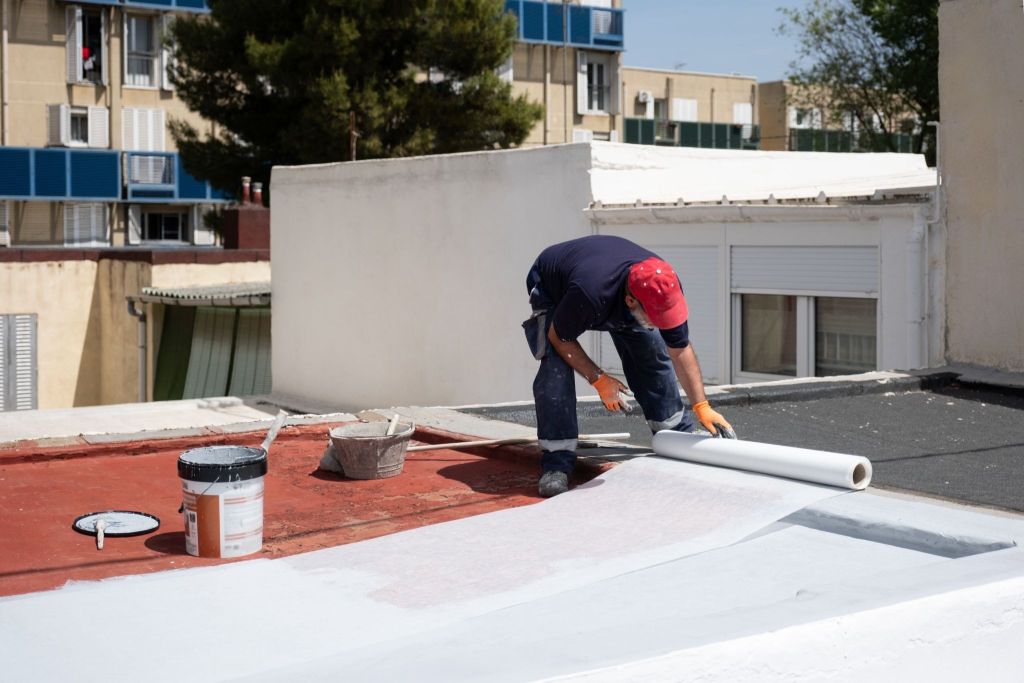
Inspection findings determine the extent of required work. Material quantities depend on accurate roof measurements and conditions. Structural repairs may be included in the project scope. Ventilation upgrades can also be recommended during evaluation. Commercial properties may require drainage improvements or insulation replacement. A detailed inspection creates a reliable roadmap for the entire project.
Costs Evaluation and Project Planning
Contractors use inspection findings to prepare detailed estimates. Understanding these factors helps property owners plan more effectively. Cost discussions also help establish realistic expectations before construction starts.
Why Roofing Costs Vary Between Properties
Roof size affects material requirements and installation labor. Complex roof designs require additional time and specialized craftsmanship. Steep slopes often increase safety requirements and project difficulty. Commercial roofing systems frequently involve specialized installation techniques. Material selection also influences overall investment levels. Each factor contributes to the final project cost.
Labor Requirements Influence Pricing
Labor costs depend on project complexity and installation requirements. Roof accessibility can affect the time required. Existing damage may require repairs before installation begins. Specialized materials often demand additional training and expertise. Commercial projects sometimes involve larger crews and equipment. Skilled labor supports quality craftsmanship and long-term performance.
Understanding the Long-Term Value
A new roof helps protect the structure from future damage. Improved insulation and ventilation may reduce energy costs. Modern materials often provide stronger weather resistance than older systems. Property value may benefit from a recently installed roofing system. Business owners also reduce risks associated with unexpected roofing failures. Long-term benefits often outweigh the initial investment.
Roofing Material Selection
Different roofing systems offer unique advantages depending on the property. Contractors often help owners compare available options. Selecting suitable materials supports long-term satisfaction and protection.
Which Roofing Material Lasts the Longest?
Metal roofing often provides one of the longest service lives available. Tile systems also offer impressive durability under proper conditions. High-quality membrane roofing products can perform well on commercial properties. Asphalt shingles generally provide dependable performance at a lower cost. Material lifespan varies according to installation quality and maintenance practices. Long-term performance should remain a primary consideration during selection.
Energy Efficiency Considerations
Reflective roofing materials can reduce heat absorption during warmer months. Proper insulation works alongside roofing materials to improve efficiency. Ventilation systems also influence indoor temperature regulation. Metal roofing often includes energy-efficient coating options. Commercial membrane systems may feature reflective surfaces designed to reduce energy use. Combining multiple efficiency improvements can support lower operating costs.
Preparation for Construction
Contractors coordinate schedules, materials, and workforce requirements. Property owners also have responsibilities before work begins. Proper planning reduces disruptions throughout the process.
What Happens Before Construction Starts?
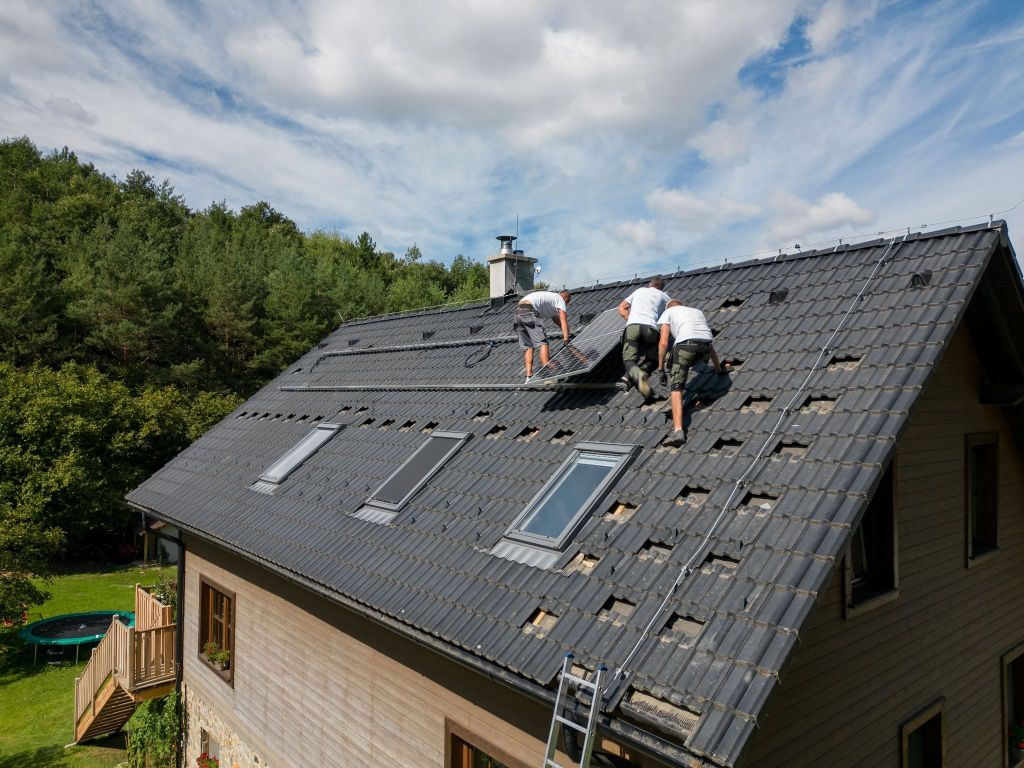
Contractors review project details and finalize material selections. Permits may be obtained when local requirements apply. Delivery schedules are arranged to support efficient workflow. Safety measures are planned before construction begins. Commercial facilities may coordinate work around operating hours. Early preparation helps prevent avoidable delays.
Preparing a Residential Property
Homeowners should remove vehicles from nearby work areas. Outdoor furniture and decorations may require temporary relocation. Interior items near attic access points may need protection. Family members should expect construction noise during working hours. Communication with the contractor helps address concerns beforehand. Proper preparation contributes to a smoother experience.
Commercial Building Preparation
Business owners often coordinate schedules with daily operations. Access routes may require temporary adjustments during construction. Equipment located near work zones may need protection. Tenant communication helps minimize confusion and disruptions. Safety planning becomes especially important in occupied facilities. Early coordination supports business continuity throughout the project.
Understanding Project Timelines
Building size, weather conditions, and complexity all affect progress. Understanding the expected timeframe helps property owners prepare accordingly. Contractors typically provide scheduling expectations before work begins.
How Long Does the Process Usually Take?
Many residential projects can be completed within several days. Larger homes may require additional installation time. Commercial projects often follow longer schedules due to size and complexity. Material type can also affect installation speed. Unexpected structural repairs may extend project duration. Contractors typically provide timeline estimates before work begins.
Common Causes of Delays
Weather interruptions remain one of the most common causes of delays. Structural damage discovered during tear-off work can add time to the project. Material availability occasionally affects scheduling as well. Complex roof designs may require specialized installation methods. Commercial facilities sometimes require phased construction approaches. Flexible scheduling helps accommodate unforeseen circumstances.
What Property Owners Can Expect Daily
Early project stages usually focus on material delivery and setup. Tear-off work often begins shortly after preparation concludes. Installation progresses in organized phases across the roof surface. Contractors conduct ongoing quality checks throughout the process. Cleanup activities occur daily to maintain safe work areas. Final inspections complete the project before closeout.
Addressing Residential and Commercial Requirements
Residential and commercial properties require different approaches. Building design influences material selection and construction methods. Performance expectations also differ between roofing systems. These differences affect how contractors complete the work.
Residential Roofing Projects
Residential roofs commonly feature steeper slopes and visible architectural elements. Asphalt shingles remain a popular choice for many homes. Aesthetic considerations often influence material selection decisions. Ventilation systems play an important role in attic performance. Residential projects typically move quickly once installation begins. Homeowners often focus on appearance alongside durability.
Commercial Roofing Systems
Commercial roofs frequently feature low-slope or flat designs. Membrane roofing systems commonly protect large building surfaces. Drainage systems receive special attention because water moves differently on flat roofs. Insulation performance often becomes a major consideration. Commercial projects may involve more extensive safety planning. Long-term operational efficiency remains a common priority.
Why Installation Methods Differ
Different roof designs require different installation techniques. Material attachment methods vary according to product specifications. Commercial membrane systems often involve heat-welded seams. Residential shingles rely on fastening patterns and layered installation. Structural requirements can also influence construction methods. Proper installation supports performance across all roofing types.
New Roof Installation
Installation represents the most visible phase of the project. Every component contributes to overall performance and protection. Roofing professionals follow manufacturer specifications throughout construction.
Underlayment Creates an Added Barrier
Underlayment creates an additional layer of moisture protection. Contractors place it directly above the roof decking. This protective barrier helps defend against water infiltration. Different underlayment products serve different roofing systems. Proper installation supports overall weather resistance. Underlayment remains a critical component beneath finished materials.
Flashing Protects Vulnerable Areas
Flashing protects roof transitions and penetrations from water intrusion. Areas around chimneys, vents, and skylights require special attention. Water often enters buildings through improperly protected openings. Quality flashing helps direct moisture away from critical areas. Commercial roofing systems also rely on flashing details for protection. Proper installation reduces the risk of leaks.
Final Roofing Materials Complete the System
Installation methods depend on the selected roofing product. Shingles are layered to create reliable weather protection. Metal panels require precise alignment and fastening techniques. Membrane roofing systems often involve specialized seam construction. Contractors follow manufacturer guidelines throughout the process. Consistent quality supports long-term performance.
Replace Aging Roofs Before Damage Spreads
Waiting too long can allow minor roofing issues to affect other parts of the building. A timely replacement helps reduce the risk of structural damage, moisture intrusion, and rising repair costs. Professional roof replacement services provide a practical path toward stronger protection and long-term reliability. Acting before problems worsen gives property owners greater control over their investment and future maintenance needs.
Every property improvement starts with better information. Visit the Behan Builders blog for practical insights, expert perspectives, and guidance on your next roofing project.