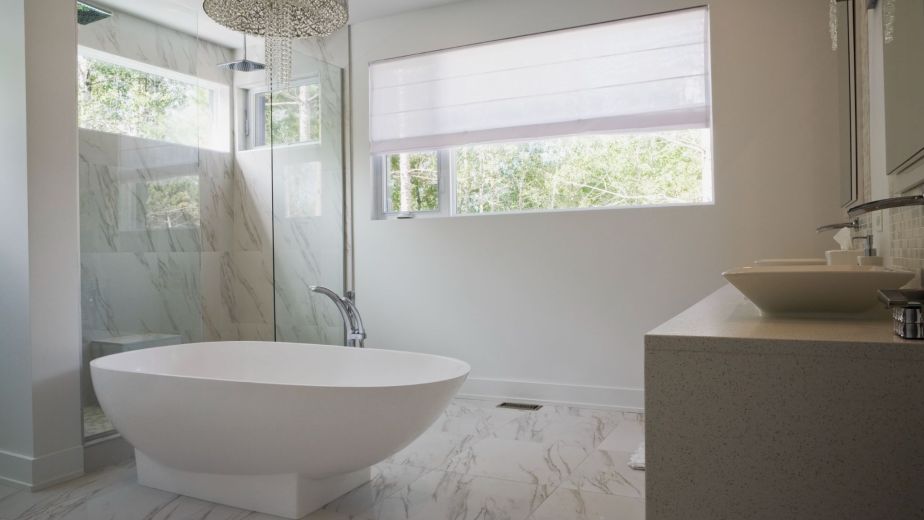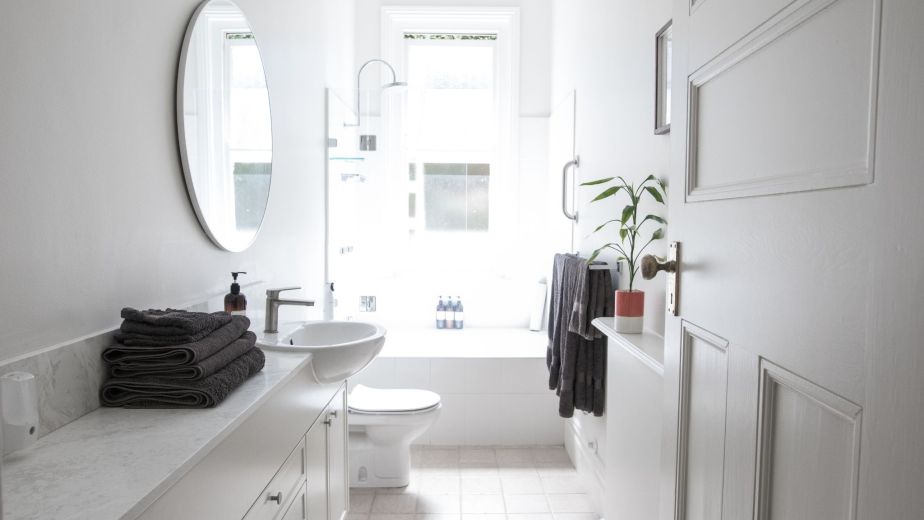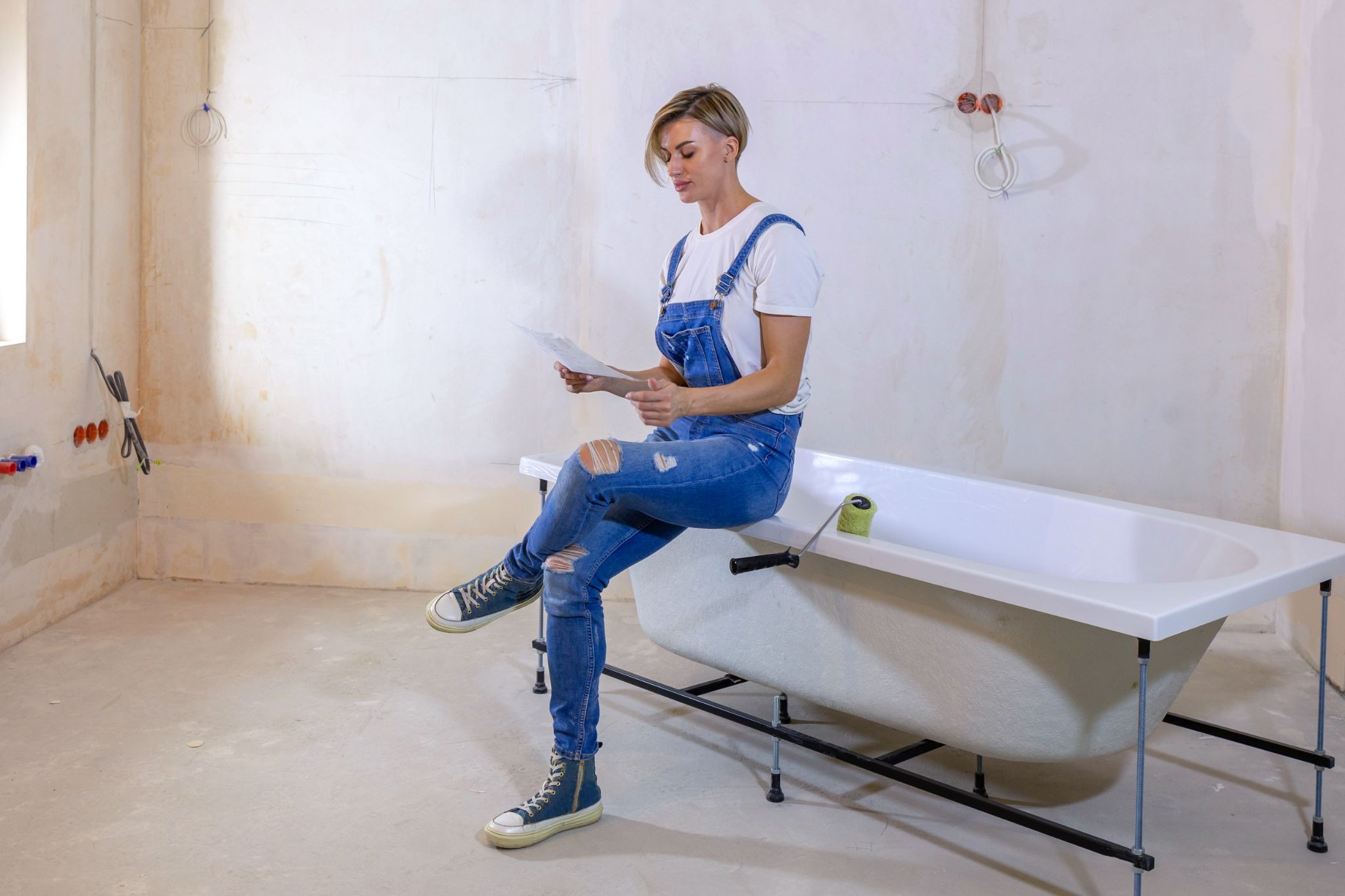
A home upgrade project often begins with a mix of excitement and cost concerns. Many homeowners want clarity before committing to any upgrades or changes. Prices can vary widely, which makes planning feel uncertain at first. Every decision, from layout to materials, affects the total investment. Clear cost insight helps you move forward with confidence and avoid expensive surprises.
Factors That Affect Remodel Costs
Bathroom remodeling costs depend on several key factors that shape the final price. These factors include size, materials, labor, and system upgrades. Each element incurs a cost based on its complexity and quality level. The following explains how each factor influences the overall remodeling budget.
Bathroom Size and Layout Costs
Bathroom size and layout directly influence the total remodeling expense. Larger bathrooms require more materials and longer labor hours, which increases costs. Changing the layout adds expenses because contractors must move plumbing and wiring systems. This layout change often involves cutting walls and adjusting structural elements. Smaller bathrooms cost less overall but still require careful planning for efficiency. Keeping the original layout reduces costs and speeds up the remodeling process.
Material Quality and Finish Pricing
Material quality determines both the cost and the bathroom’s final appearance. Budget materials cost less but may wear out faster with daily use. Mid-range materials strike a balance between durability and cost, making them a common choice among homeowners. High-end finishes raise costs due to premium design and longer lifespan. This material selection includes tiles, countertops, fixtures, and cabinetry surfaces. Choosing durable materials helps maintain value while controlling long-term maintenance costs.
Labor and Contractor Rates
Labor costs form a large portion of any bathroom remodel budget. Remodeling contractors charge based on experience, project size, and job complexity. Skilled professionals often cost more but deliver consistent, reliable results. This labor cost also includes plumbers, electricians, and tile installers. Hiring licensed contractors reduces risks and helps ensure compliance with building codes. Lower-cost labor may lead to errors that later increase expenses.
Plumbing and Electrical Upgrades
Plumbing and electrical systems often require updates during a remodel. Moving pipes or drains increases costs due to the specialized labor and materials required. Electrical upgrades may include new lighting, outlets, and ventilation systems. This system often stays hidden but affects safety and functionality. Older homes usually require more extensive updates to meet modern standards. Planning these upgrades early helps avoid delays and added expenses.
Average Bathroom Remodel Price Range
The cost of a bathroom remodel falls into three main pricing categories based on project scope. These categories help homeowners understand what they can expect at each level. Each range reflects different material quality, labor intensity, and design complexity. This breakdown provides a clear starting point for budgeting decisions.
Basic Bathroom Remodel Cost Range
A basic bathroom remodel costs between $5,000 and $15,000. This price range includes cosmetic updates like repainting, fixture replacement, and minor repairs. Homeowners often keep the existing layout to reduce labor costs. This approach works well for rental units or quick property improvements. Materials remain affordable, and labor stays limited in scope. The result delivers a refreshed space without extensive structural changes.
Mid-Range Bathroom Remodel Cost
A mid-range bathroom remodel usually costs between $15,000 and $30,000. This budget allows for upgraded fixtures, new flooring, and improved lighting systems. Homeowners often replace vanities and install modern shower units. This level balances cost with noticeable improvements in design and function. Labor costs increase due to more detailed installations and material handling. Many homeowners choose this option for long-term usability and resale value.
High-End Bathroom Remodel Pricing
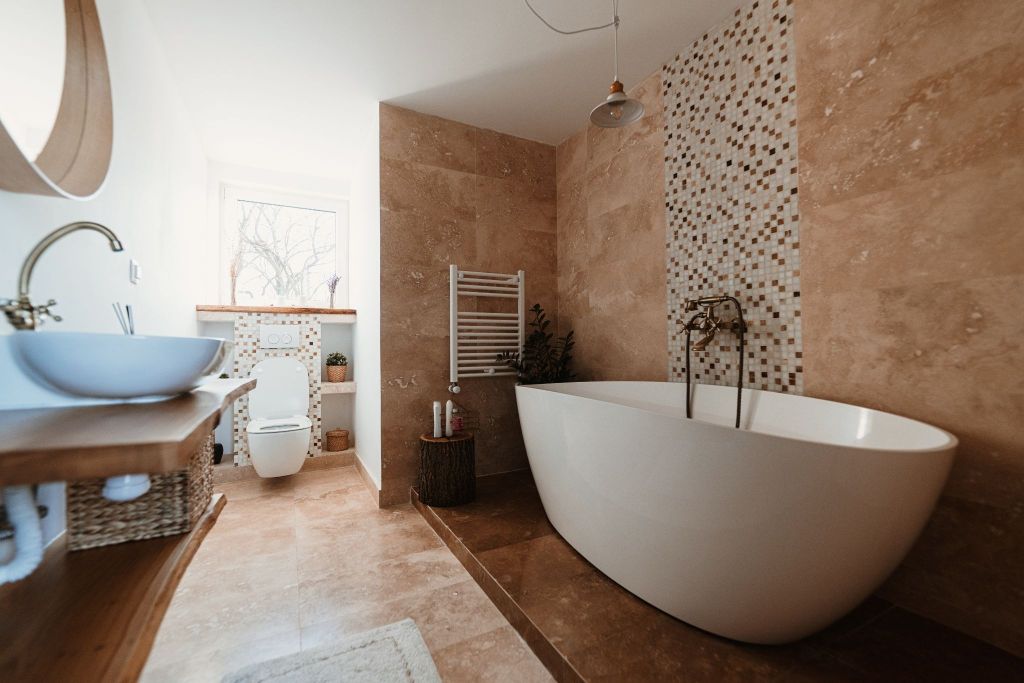
A high-end bathroom remodel often exceeds $30,000 and can reach $50,000 or more. This level includes custom cabinetry, luxury tiles, and advanced features like heated floors. Homeowners may install walk-in showers with glass enclosures and premium fixtures. This investment focuses on comfort, design, and personalized space. Labor costs rise due to detailed craftsmanship and custom installations. The final result reflects a refined and high-quality bathroom environment.
Bathroom Remodel Cost Breakdown
Bathroom remodel costs are divided into several core spending categories that shape the total budget. Each category represents a portion of the overall investment. Understanding these costs helps homeowners prioritize spending decisions. This breakdown provides clarity on how project funds are allocated.
Fixture and Plumbing Installation Costs
Fixtures and plumbing installations often take a large share of the remodel budget. Items include toilets, sinks, bathtubs, and shower systems. Installation requires skilled labor, which increases the total cost. This work may also involve adjusting plumbing connections or replacing outdated pipes. High-quality fixtures increase costs but improve durability and performance. Choosing reliable products reduces repair and replacement expenses over time.
Flooring and Wall Finish Expenses
Flooring and wall finishes define the bathroom’s visual style and durability. Tile remains a popular choice due to its water resistance and long-term performance. Natural stone costs more but offers a refined and upscale look. This material choice also affects installation time and labor costs. Budget-friendly options like vinyl provide durability at a lower price point. Proper waterproofing adds to the cost but protects the structure from moisture damage.
Cabinets and Countertop Costs
Cabinets and countertops provide storage and functional workspace in the bathroom. Prefabricated cabinets cost less and install faster than custom-built options. Custom cabinetry allows tailored design but increases overall expenses. This countertop selection includes materials like laminate, quartz, and stone. Higher-quality surfaces last longer and require less maintenance over time. Balancing cost and durability helps maintain long-term value.
Permits and Design Service Fees
Permits and design services add smaller but necessary costs to the remodel. Local regulations may require permits for plumbing, electrical, or structural changes. These permits protect safety and compliance with building codes. This design service helps plan layouts, materials, and efficient use of space. Professional designers improve project flow and reduce costly mistakes. Including these costs early helps avoid budget surprises later.
Hidden Bathroom Remodel Costs
Hidden costs often appear during construction and increase the total budget. These expenses are usually hidden until demolition begins. Identifying potential risks helps homeowners prepare financially. This awareness reduces stress and improves project planning.
Structural Repairs and Water Damage Costs
Structural repairs often arise when contractors open walls or flooring. Water damage may affect wood framing, drywall, or insulation layers. These repairs require additional labor and materials, which increase costs. This issue may also involve mold removal for safety reasons. Older bathrooms are more likely to have hidden structural problems. Addressing these issues early prevents further damage and higher expenses.
Building Code Compliance Costs
Building codes require updates to meet current safety standards. Older plumbing or electrical systems may not meet these requirements. Contractors must upgrade systems to comply with regulations. This compliance protects occupants and ensures proper system performance. These updates add to the total remodeling cost. Meeting code requirements also prevents legal and safety issues.
Project Delays and Timeline Costs
Project delays can increase costs due to extended labor and scheduling changes. Material shortages may slow down installation timelines. Custom items often require longer delivery periods. This delay can affect contractor availability and project flow. Weather or unforeseen issues may also impact progress. Planning for flexibility helps reduce the financial impact of delays.
How to Plan a Bathroom Remodel Budget
Planning a bathroom remodel budget requires clear financial goals and realistic expectations. A structured plan helps control spending throughout the project. It also guides decisions about materials and labor. This budgeting process reduces stress and supports better project outcomes.
Set a Realistic Remodel Budget
Setting a realistic budget starts with understanding average remodeling costs. Homeowners should consider both essential upgrades and desired features. This budget should align with financial limits and long-term goals. Researching local contractor rates helps refine cost estimates. Avoiding underestimation prevents financial strain during construction. A clear budget provides direction for every project decision.
Get Contractor Estimates
Contractor estimates provide insight into labor and material costs. Homeowners should request multiple quotes for accurate comparisons. This estimate should include timelines, materials, and detailed pricing. Asking questions helps clarify what each quote covers. Choosing a contractor based on value rather than price improves results. Clear communication supports a smooth remodeling process.
Add a Contingency Fund
A contingency fund covers unexpected costs that arise during remodeling. Experts often recommend setting aside ten to twenty percent of the total budget. This fund helps cover surprises such as repairs or delays. Including extra funds reduces financial stress during construction. This preparation keeps the project moving without major disruptions. Planning supports better financial control.
Ways to Reduce Remodel Costs
Reducing the costs of a bathroom remodel requires strategic planning and smart choices. Homeowners can lower expenses without sacrificing quality or function. Careful decisions help balance budget and design goals. This approach allows cost control while maintaining a polished result.
Keep the Existing Layout
Keeping the existing layout reduces costs by avoiding plumbing changes. Moving fixtures increases labor and material expenses. This layout decision also shortens the project timeline. Many bathrooms can be improved with updated finishes rather than structural changes. Small design adjustments still create a refreshed appearance. This approach works well for budget-conscious renovations.
Choose Cost-Effective Materials
Cost-effective materials provide durability without high prices. Modern products often replicate the look of premium finishes. This material choice includes ceramic tiles that resemble natural stone. These options help reduce overall expenses while maintaining style. Researching alternatives helps identify reliable and affordable products. Smart material selection supports long-term value.
Combine DIY and Professional Work
Combining DIY tasks with professional work helps control labor costs. Homeowners can handle painting or simple installations. Complex tasks like plumbing and electrical work require licensed professionals. This balance reduces expenses while maintaining quality results. Careful planning prevents mistakes that increase costs. Choosing the right tasks for DIY improves efficiency.
Estimate Bathroom Remodel Costs With Confidence
Accurate cost estimates give you a clear path from planning to execution. A defined budget helps you compare options and avoid costly revisions later. This approach allows you to align design choices with real financial limits. Start outlining your project details now so each decision supports a practical and well-managed investment.
Visit the Behan Builders blog for straightforward advice, cost clarity, and ideas that help shape your next home upgrade.