A roof is constantly exposed to rain, heat, wind, and debris throughout the year. Small roofing problems often go unnoticed until they cause interior damage. Professional roofing services help prevent costly structural repairs. Many homeowners also rely on roofing contractors for inspections, maintenance, and weather-related repairs. Reliable roof care protects comfort, energy efficiency, and long-term property value for growing families.
How Roofing Services Protect Your Home
Roofing services help homeowners prevent structural damage, rising energy costs, and expensive emergency repairs. Professional roofing contractors inspect, repair, and maintain roofing systems before small problems become major concerns. Regular roof care also improves drainage, ventilation, and moisture control throughout the home. Reliable roofing services protect interior spaces, extend roof lifespan, and help homeowners maintain long-term property value. Many homeowners also avoid unexpected repair costs by maintaining their roofs regularly and scheduling timely inspections.
Residential Roofing Services Homeowners Need
Homeowners often need inspections, maintenance, and replacement services throughout a roof’s lifespan. Different roofing problems require specific solutions to prevent moisture damage and structural deterioration. Understanding the most common roofing services helps homeowners respond more quickly when roofing issues arise.
Roof Inspections for Early Damage
Contractors carefully inspect shingles, flashing, gutters, and attic ventilation. Many homeowners request inspections after severe storms or seasonal weather changes. Early inspections reduce repair costs and support the longevity of residential roofing systems.
Annual Roof Inspections to Reduce Repair Costs
Annual inspections help homeowners detect roofing problems before structural damage develops. Contractors carefully inspect cracked shingles, damaged flashing, and weakened roof decking. Attic ventilation is also addressed during routine roof inspection appointments. Poor airflow may lead to moisture buildup in attic spaces over time. Many contractors recommend annual inspections to maintain consistent roof performance and durability. Regular inspections also help homeowners avoid expensive emergency roofing repairs later.
Storm Roof Checks to Find Hidden Damage
Storm inspections uncover hidden damage that homeowners often miss from ground-level observations afterward. Hail may weaken shingles by removing protective granules across roofing surfaces. Strong winds often unexpectedly lift shingles around vulnerable sections of the roof. Contractors carefully inspect flashing, vents, and valleys for moisture-related roofing concerns. Professional inspection reports also support homeowners during insurance claim approval processes. Fast inspections reduce long-term repair costs and interior moisture-related structural damage.
Roof Repair Solutions
Homeowners often request repairs after noticing stains or ceiling leaks. Contractors repair damaged sections of the roof while preserving surrounding materials whenever possible. Fast repairs extend the roof’s lifespan and significantly reduce the need for future replacements.
Roof Leak Repairs to Protect Interiors
Roof leak repairs prevent water intrusion before it causes further interior damage. Contractors carefully trace leaks because water can travel beneath roofing materials unexpectedly. Damaged flashing and cracked shingles are common causes of residential roof leaks today. Contractors replace affected materials with compatible roofing products to ensure lasting durability. Fast leak repairs also reduce the risk of mold growth in attic spaces. Timely repairs protect flooring, furniture, and electrical systems from water exposure.
Shingle Repairs to Restore Roof Coverage
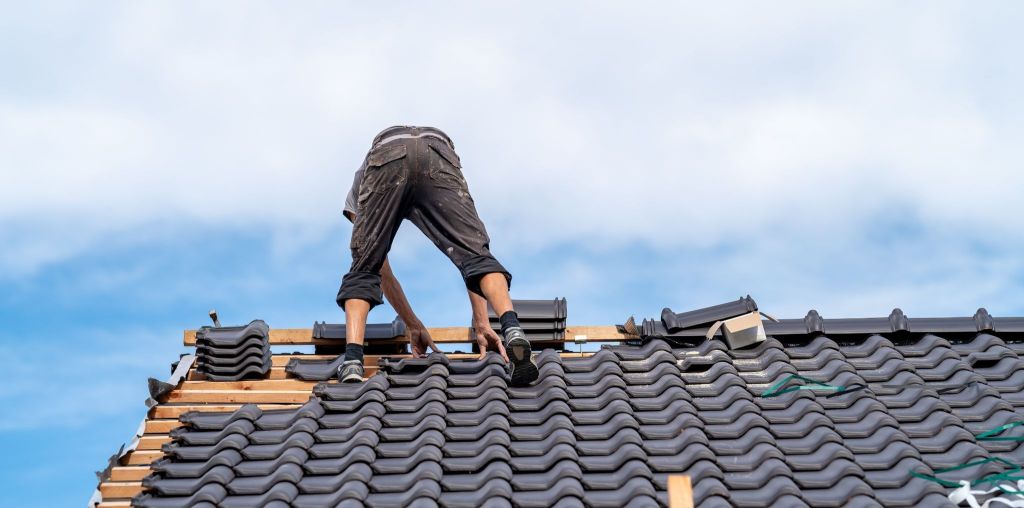
Shingle repairs restore damaged sections of roofing before moisture spreads beneath the roofing system. Missing shingles expose the roof decking during heavy rainfall and severe seasonal storms. Contractors replace curled, cracked, or lifted shingles to restore weather protection. Matching materials also maintains consistent curb appeal throughout the property’s exterior. Contractors inspect nearby shingles for similar weather-related deterioration and surface damage. Prompt repairs help homeowners avoid more extensive roofing projects and replacement costs later.
Flashing Repairs to Stop Water Entry
Flashing repairs effectively protect vulnerable roof areas around vents, skylights, and chimneys. Metal flashing gradually weakens over the years of weather exposure and temperature changes. Contractors remove damaged flashing before installing updated waterproof materials around roof openings. Proper flashing directs water away from joints and surrounding roofing materials safely. Contractors also carefully inspect nearby shingles for hidden moisture beneath roofing sections. Professional flashing repairs reduce recurring leaks and protect attic insulation from damage.
Complete Roof Replacement Options
Aging roofs often contain hidden moisture damage beneath visible roofing materials. Contractors carefully inspect structural components before recommending replacement materials and installation methods. Modern roofing systems significantly improve durability, weather resistance, and household energy efficiency.
Full Roof Replacement
A full roof replacement improves structural reliability and greatly reduces future maintenance concerns. Contractors remove old roofing materials to thoroughly inspect the decking and support structures. Hidden moisture damage often spreads beneath shingles before visible warning signs appear. Contractors replace weakened wood components before installing updated roofing systems and underlayment. New roofing materials also improve attic temperature control and indoor energy efficiency. Homeowners often experience fewer repair concerns after replacing aging residential roof systems.
Asphalt Shingle Roof Installation
Asphalt shingle installation remains one of today’s most requested residential roof options. Many homeowners choose asphalt shingles because they effectively balance affordability and durability. Modern asphalt roofing products come in a variety of colors, textures, and impact-resistant designs. Contractors install asphalt shingles more efficiently than heavier residential roofing materials today. Architectural shingles often offer stronger wind resistance and longer-lasting weather protection. Asphalt roofing also requires simple maintenance, which appeals to many busy homeowners.
Metal Roof Installation
Metal roof installation attracts homeowners seeking durable roofing materials with minimal maintenance needs. Many metal roofing systems today last longer than traditional asphalt roofing materials. Reflective metal surfaces help reduce attic heat in attics during warmer seasons. Contractors carefully install moisture barriers and specialized fasteners beneath metal roofing panels. Modern metal roofs also effectively resist fire, moisture damage, and insect-related deterioration. Long-term homeowners often prefer metal roofing because replacements are less frequent.
Roof Maintenance and Upkeep
Professional maintenance significantly reduces the risk of emergency repairs and the need for premature roof replacement. Contractors carefully inspect drainage systems, roofing surfaces, and attic ventilation during maintenance appointments. Consistent roof care helps homeowners avoid expensive structural damage and moisture problems later.
Gutter Cleaning
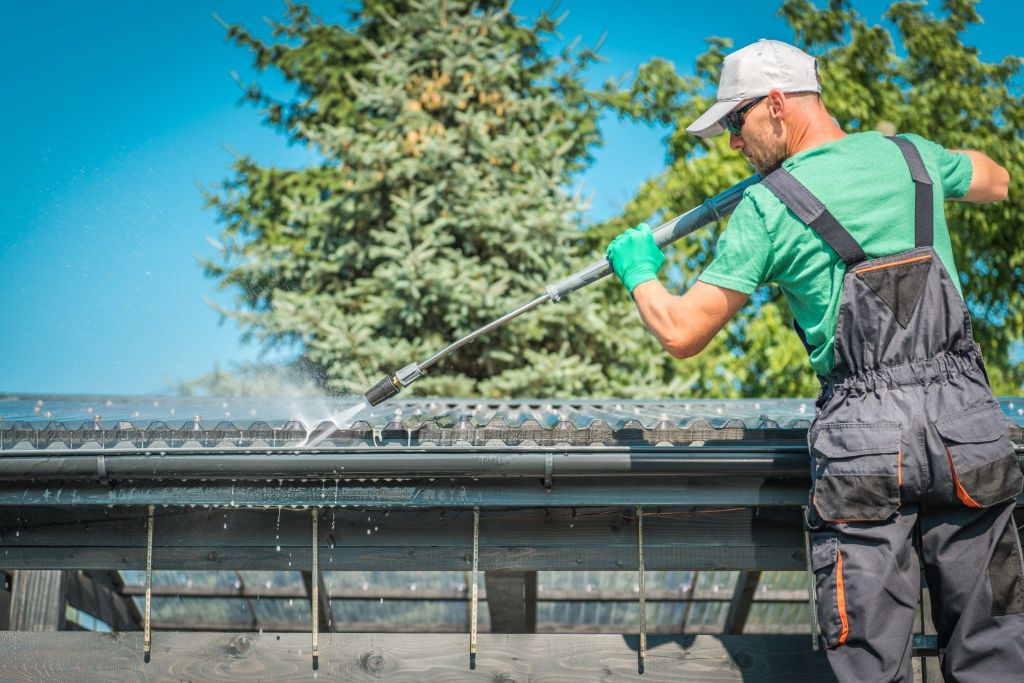
Gutter cleaning improves roof drainage by safely directing rainwater away from roofing structures. Clogged gutters force water beneath shingles during heavy rainfall and severe storms. Contractors thoroughly remove leaves, debris, and blockages from gutters and downspouts. Proper drainage also helps reduce damage to fascia and standing water near foundations. Many homeowners schedule gutter cleaning twice a year to ensure reliable drainage. Clean gutters support healthier roofing systems and significantly reduce moisture-related repair concerns.
Roof Cleaning
Roof cleaning removes algae, moss, and debris that trap moisture against roofing materials, leading to continuous moisture buildup. Organic buildup weakens shingles gradually and affects the roof’s appearance as weather conditions change. Contractors use low-pressure cleaning methods to protect delicate roofing surfaces from damage. Safe cleaning solutions remove dark streaks without loosening shingles or flashing materials. Clean roofing surfaces dry faster after storms and noticeably improve exterior curb appeal. Routine cleaning also helps homeowners preserve roofing materials and extend their service life.
Attic Ventilation
Attic ventilation regulates heat and moisture beneath residential roofing systems throughout seasonal changes. Poor attic airflow can overheat shingles and shorten the roof’s lifespan significantly outdoors. Contractors carefully inspect intake vents, ridge vents, and insulation performance during evaluations. Balanced airflow also reduces condensation, which can gradually damage framing and attic insulation materials. Improved ventilation helps cooling systems operate more efficiently during warmer indoor seasons. Proper attic airflow supports healthier roofing systems and consistently improves household comfort.
Emergency Storm Damage Response
Fast action limits water intrusion and reduces additional structural damage inside affected homes. Many contractors provide temporary protection before permanent roof repairs officially begin afterward. An immediate response helps homeowners protect their belongings, insulation, and electrical systems from exposure.
Emergency Roof Tarping
Emergency roof tarping covers exposed sections of residential roofs after storm damage. Contractors install heavy-duty tarps to reduce water intrusion during severe weather conditions. Fallen branches and strong winds often create vulnerable openings in residential roofing. Temporary tarping protects ceilings, insulation, and wall materials until official permanent repairs begin. Contractors secure tarps carefully because loose coverings may worsen existing roofing damage later. Fast tarping services reduce repair costs and help stabilize homes after major storms.
Fast Leak Response
Emergency leak response stops active water intrusion before severe interior damage spreads further. Contractors identify the immediate sources of leaks and make temporary repairs during urgent service calls. Indoor water exposure can damage drywall, flooring, furniture, and electrical systems within hours. Fast roofing repairs also reduce the risk of mold growth in insulation and attic spaces. Contractors inspect nearby roofing materials because hidden moisture often spreads unexpectedly underneath. Quick response helps homeowners protect structural components and valuable belongings from damage.
Skylight and Chimney Repairs
Skylights and chimneys require specialized repairs because they naturally create vulnerable openings in the roof. Poor sealing around these areas often leads to recurring leaks during severe storms. Contractors carefully inspect the flashing, shingles, and waterproof barriers surrounding these features during evaluations.
Skylight Repairs to Prevent Roof Leaks
Skylight repairs address leaks, damaged seals, and moisture buildup around residential skylight systems. Cracked flashing and worn seals often allow water to gradually seep beneath surrounding roofing material. Contractors inspect skylight frames carefully for hidden moisture damage around roof openings. Proper repairs improve drainage and reduce condensation in affected living spaces. Contractors also replace the surrounding shingles that show moisture-related deterioration and visible surface damage. Regular skylight maintenance preserves natural lighting without increasing the risk of residential roofing leaks.
Chimney Flashing Repairs to Protect Roofs
Chimney flashing repairs prevent water from entering the joints around residential chimneys during storms. Contractors install layered flashing systems to properly direct rainwater away from masonry and shingles. Weather exposure often weakens flashing materials and gradually creates gaps around chimney edges. Contractors inspect mortar joints because deteriorating masonry increases moisture penetration around roofing systems. Proper chimney flashing repairs also protect attic insulation and framing materials from exposure. Routine chimney maintenance significantly reduces recurring leaks and the need for expensive structural repairs.
Preserve Your Home Through Roofing Services
Small roofing problems rarely stay minor for long periods without professional attention. Timely roofing services help homeowners avoid costly structural repairs and interior water damage. Professional roof care also supports better energy efficiency and longer-lasting roofing performance throughout changing seasons. Homeowners who schedule regular inspections and repairs often prevent emergencies from disrupting daily life.
Visit the Behan Builders blog for straightforward roofing tips and trusted solutions for residential property care.