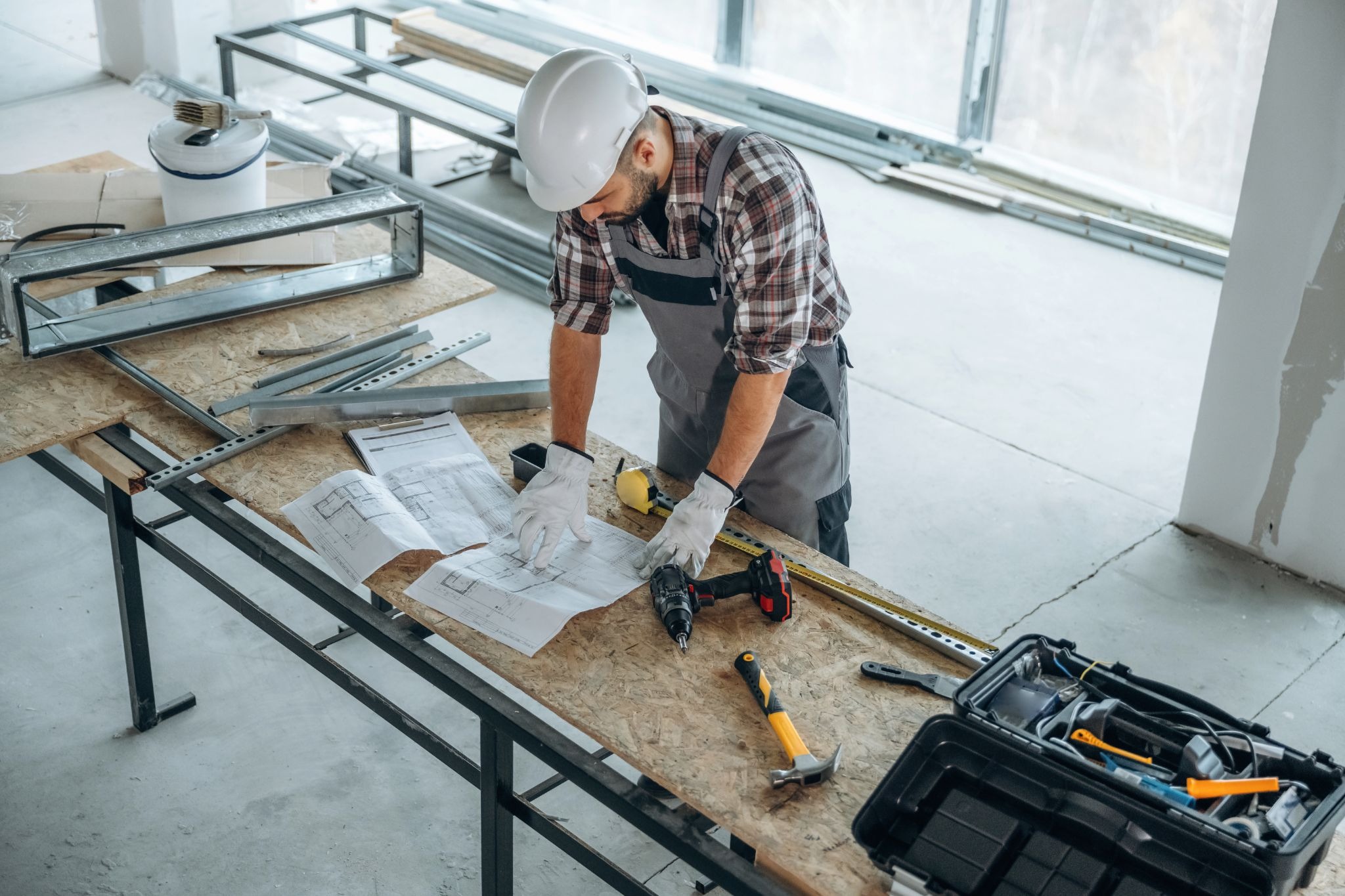
Property owners often face confusion when managing construction projects with many moving parts. Different trades, schedules, and regulations can quickly create costly delays without proper coordination. A general contractor brings structure, clarity, and accountability to the entire building process. They manage people, timelines, and resources to keep projects moving forward with fewer disruptions. Understanding their role helps owners make better decisions and avoid expensive mistakes.
Understanding the General Contractor Role
A general contractor manages construction projects from planning through completion. They coordinate labor, materials, schedules, and communication across all project phases. This role oversight includes aligning project goals with budgets and timelines from the start. Property owners rely on this structure to maintain control without handling daily construction demands.
What Does a General Contractor Do Daily
A general contractor oversees daily site operations and keeps work progressing according to plan. They communicate with subcontractors to confirm schedules and address issues as they arise. This daily coordination includes tracking materials, labor, and on-site productivity to prevent delays. They review progress against timelines and adjust workflows when necessary. Additionally, they inspect completed work to confirm it meets required standards. This hands-on involvement keeps projects organized and moving steadily.
When Property Owners Need Contractors
Property owners need a general contractor when projects involve multiple trades or complex requirements. Large renovations, structural changes, or new builds often require professional coordination. This project’s complexity increases when permits, inspections, or strict timelines are involved. Contractors help reduce stress by managing details that owners may not anticipate. They also bring experience that improves efficiency and decision-making. This support allows owners to focus on outcomes rather than daily site management.
Core Duties of General Contractors
General contractors handle planning, coordination, and execution across all construction phases. They manage people and processes to keep projects aligned with defined goals. This scope of responsibility includes both fieldwork oversight and administrative control. Property owners benefit from this organized approach that reduces confusion and delays.
Managing Construction Projects End to End
Each stage of construction follows a planned sequence before on-site work begins. Timelines outline milestones, deadlines, and the order of tasks across all phases. This planning structure helps prevent scheduling conflicts between different trades. The general contractor closely monitors progress and adjusts schedules when delays occur. Material deliveries are coordinated to keep work moving without interruption. This structured management keeps projects aligned with original plans and expectations.
Coordinating Subcontractors and Trades
Subcontractors are selected based on project requirements and specialized expertise. Careful scheduling prevents overlap and reduces downtime between different trades. This coordination keeps electricians, plumbers, and carpenters working efficiently together. Clear communication helps avoid misunderstandings that can lead to costly mistakes. Completed work is reviewed to confirm it meets required standards. This organized teamwork improves productivity and overall construction quality.
Handling Permits and Building Codes
Permit requirements and building codes govern how construction projects proceed legally. General contractors submit and track applications to secure approvals before work begins. This regulatory process helps avoid delays caused by missing documents or noncompliance. Sites are prepared for inspections to meet the required standards at each stage. Any issues identified during inspections are addressed promptly to maintain progress. Staying up to date with standards from organizations like the International Code Council supports full compliance and project protection.

Residential General Contractor Services
General contractors support homeowners through construction, remodeling, and property upgrades. They guide projects from initial planning to completion with clear coordination. This service coverage helps maintain quality while aligning work with the homeowner’s vision. Residential projects benefit from this structured approach that reduces stress and uncertainty.
Home Building and Custom Construction
Every phase of a custom home build follows a structured plan from start to finish. A general contractor reviews the architectural plans to organize tasks across each stage of construction. This build process includes site preparation, framing, and interior finishing work. Progress is monitored closely, with regular updates shared with homeowners. Unexpected challenges are addressed quickly without disrupting the overall timeline. This detailed oversight keeps construction aligned with design goals and expectations.
Renovation and Remodeling Projects
Renovation work begins with a careful assessment of existing structures before any changes occur. Potential issues that could affect costs or timelines are identified early in the process. This evaluation step helps prevent unexpected complications during construction. General contractors coordinate trades to minimize disruption within the home environment. Safety standards remain a priority throughout each stage of remodeling. This organized approach helps homeowners achieve functional, up-to-date spaces.
Improving Property Value and Efficiency
Upgrades are planned to improve both functionality and long-term property value. Material choices and layouts focus on durability and energy efficiency. This improvement strategy helps property owners make practical investment decisions. Completed work aligns with current market expectations and buyer preferences. Poor design choices that may reduce resale appeal are avoided through informed planning. This guidance supports stronger outcomes for homeowners over time.
Commercial General Contractor Duties
General contractors manage complex commercial projects with larger scopes and stricter requirements. They coordinate multiple teams while maintaining control over timelines and budgets. This project’s scale demands consistent oversight and structured communication. Businesses rely on this management to complete projects without unnecessary disruptions.
Managing Large Commercial Projects
Large construction projects, such as offices and retail spaces, require coordinated oversight across all phases. Multiple subcontractors work simultaneously, making alignment critical to avoid delays. General contractors keep tasks organized and prevent on-site workflow conflicts. Plans are adjusted quickly when unexpected issues arise during construction. Communication remains consistent across all teams to maintain progress. This structured leadership keeps large-scale projects moving efficiently.
Controlling Budgets and Timelines
Budgets are developed to cover labor, materials, and contingency expenses from the start. Expenses are tracked closely to prevent overspending during construction. This financial management approach helps property owners maintain control over costs. Timelines are monitored to meet key milestones and completion targets. Adjustments are made when delays occur without affecting overall quality. This balance keeps projects aligned with both budget and schedule expectations.
Maintaining Safety and Compliance Standards
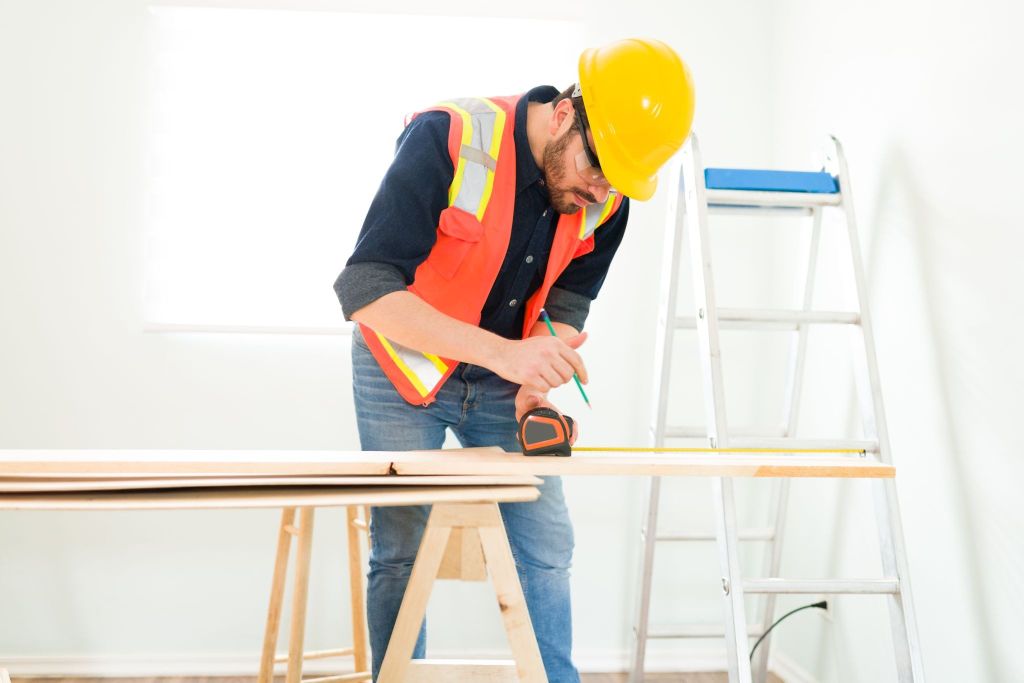
Safety protocols guide daily operations across commercial construction sites. Clear oversight reduces risks and promotes safe working conditions for all teams. This safety focus includes routine inspections and early hazard identification. Legal and regulatory requirements are followed throughout each project phase. Concerns are addressed quickly to prevent accidents or disruptions. This commitment creates a more secure and controlled construction environment.
Benefits of Hiring General Contractors
General contractors bring experience that simplifies construction and reduces unnecessary risks. They manage complex tasks that often overwhelm property owners. This professional oversight improves efficiency, cost control, and project quality. Hiring a contractor provides structure that supports smoother project execution.
Reduces Delays and Costly Mistakes
Potential issues are identified early, before they become expensive problems. Workflows are organized to prevent scheduling conflicts between different trades. This proactive planning reduces delays that often increase overall project costs. Work quality is monitored closely to avoid rework and corrections. Progress stays aligned with original timelines and budget expectations. This approach helps property owners avoid unnecessary expenses and disruptions.
Has Access to Skilled Labor and Resources
Trusted subcontractors and suppliers are selected based on experience and reliability. Established relationships help secure consistent labor and high-quality materials. This network access improves efficiency across each phase of construction. Better pricing can be negotiated through long-term vendor partnerships. Reliable resources reduce the risk of delays caused by shortages or poor craftsmanship. This advantage supports smoother and more predictable project outcomes.
Improves Efficiency Through Proven Systems
Proven systems streamline workflows and reduce inefficiencies across construction projects. Clear processes guide scheduling, communication, and task execution from start to finish. This structured approach minimizes downtime and keeps teams working productively. Consistent oversight helps maintain quality without slowing progress. Adjustments are made quickly to address challenges without disrupting timelines. This efficiency leads to faster completion and better overall project performance.
General Contractor Systems for Cost and Coordination
General contractors use structured systems to manage both financial control and project communication. They track budgets, oversee documentation, and coordinate updates across all teams involved. This system approach helps keep projects organized while reducing delays and miscommunication. Property owners benefit from clearer visibility into costs, progress, and decision-making throughout construction.
Financial Systems and Project Records
Financial planning and documentation form the backbone of organized construction management. Clear records track every cost, approval, and change throughout the project lifecycle. This system structure allows property owners to monitor spending without confusion or gaps. Well-maintained documentation also supports accountability across all teams involved. Accurate records help prevent disputes and keep expectations aligned. This organized approach strengthens control over both finances and project outcomes.
Cost Estimates and Budget Planning
Detailed cost estimates set the foundation for realistic project expectations before work begins. These estimates include labor, materials, permits, and contingency allowances to avoid gaps. This budgeting process helps property owners understand total investment requirements from the start. Adjustments occur when project scopes change, keeping financial plans accurate. Careful tracking prevents unexpected costs that could disrupt progress. This financial clarity supports informed decisions throughout each construction phase.
Contracts and Project Documentation
Contracts define the scope, timelines, and payment terms for all parties involved. Clear documentation tracks approvals, revisions, and ongoing communication during construction. This record system reduces misunderstandings and keeps everyone aligned with expectations. Consistent review of subcontractor agreements maintains compliance and consistency. Organized files make it easier to resolve issues if they arise. This structured documentation builds trust and improves overall project clarity.
Risk Management and Insurance Coverage
Risk planning begins before construction to identify potential challenges early. Insurance coverage protects against on-site accidents, damages, and liabilities. This risk management approach safeguards both property owners and workers throughout the project. Verification of subcontractor insurance adds another layer of protection. Preventive measures reduce the risk of costly problems during construction. This preparation supports a safer and more stable project environment.
Communication and Coordination Systems
Clear communication systems keep all parties informed and aligned from start to finish. Consistent updates help prevent confusion and reduce delays caused by miscommunication. This coordination structure efficiently connects property owners, subcontractors, and suppliers. A centralized flow of information supports faster decisions and smoother operations. Strong communication also improves trust between all stakeholders. This organized approach keeps projects moving forward with fewer disruptions.
Central Point of Contact for Projects
One dedicated contact manages communication across clients, subcontractors, and suppliers. This central role prevents mixed messages and conflicting instructions on-site. Clear updates keep everyone aligned with project goals and timelines. Property owners receive consistent information without having to manage multiple conversations. Quick responses help address concerns before they escalate. This streamlined communication improves project efficiency and clarity.
Updates and Problem Resolution Process
Regular progress updates keep property owners informed about milestones and changes. Clear explanations help them understand how adjustments affect timelines and costs. This communication process builds confidence and reduces uncertainty during construction. When issues arise, solutions are evaluated and implemented quickly. Adjustments keep the project aligned with original goals whenever possible. This responsiveness helps maintain steady progress despite unexpected challenges.
Partner With Proven General Contracting Services
Construction projects require steady leadership and clear coordination from the very beginning. Proven general contracting services bring experience that keeps timelines, costs, and quality aligned. This level of oversight reduces uncertainty while improving efficiency across every phase. Working with the right professionals supports better outcomes and lasting value for your property.
Visit the Behan Builders blog for thoughtful insights that support smarter building decisions.