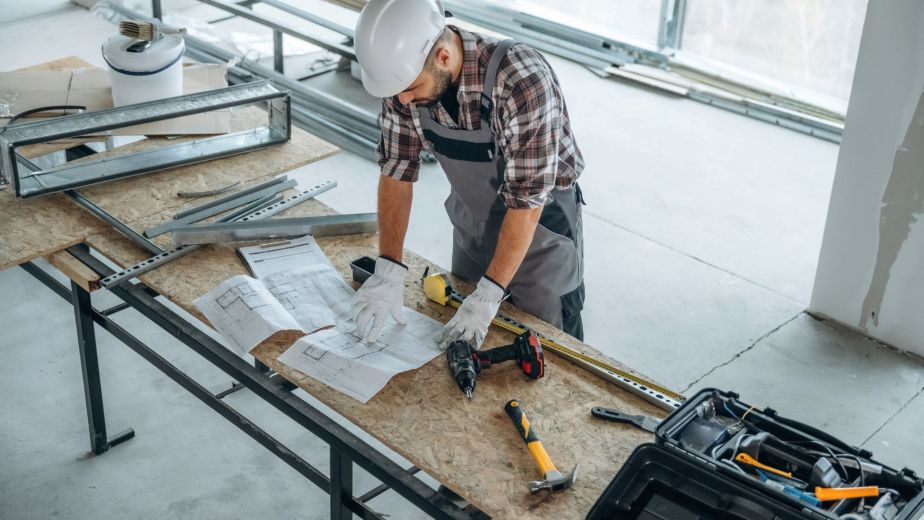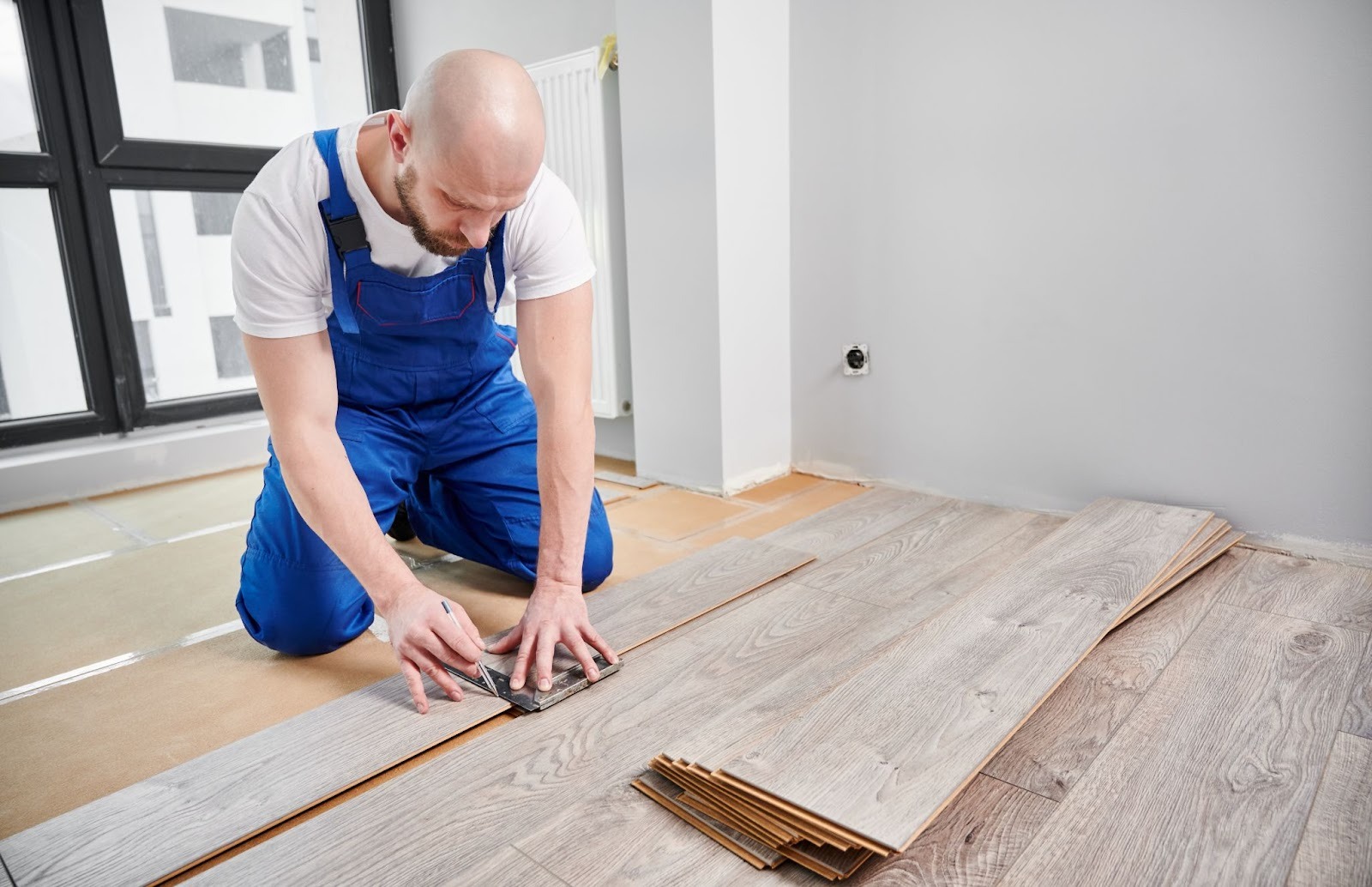
Floors endure constant pressure from daily movement, heavy furniture, and equipment. Poor installation often reveals problems through uneven boards, loose tiles, and early surface wear. Property owners usually focus on materials while overlooking the craftsmanship behind correct placement. A well-installed floor supports durability, appearance, and long-term property value. Professional flooring installation services deliver the accuracy that residential and commercial properties require.
Value of Professional Flooring Installation
Professional flooring installation services refer to trained experts installing flooring systems with precision and proper preparation. This approach improves durability and surface stability in both homes and commercial properties. Experienced installers understand subfloor conditions, material behavior, and long-term performance factors. Property owners receive flooring that looks balanced and performs reliably under daily use.
Stable Subfloor Preparation Matters
Subfloor preparation forms the structural base that supports every flooring installation project. Professional installers carefully inspect the subfloor before installing hardwood, tile, laminate, or vinyl. This inspection process identifies uneven areas, hidden moisture, or weak structural spots that could damage new flooring. Installers correct those issues by leveling, reinforcing, or controlling moisture before installation begins. Proper preparation keeps flooring surfaces stable even under constant foot traffic or heavy equipment. This preparation step prevents gaps, lifted edges, and early structural failure.
Skilled Installation Reduces Material Waste
Accurate installation reduces waste and protects property owners’ flooring project budgets. Professional installers measure spaces carefully before cutting flooring boards or tiles. This measurement process helps teams calculate correct material quantities and layout patterns. Skilled installers also understand expansion gaps that protect flooring during seasonal temperature changes. Incorrect spacing can cause buckling or warped surfaces months after installation. This professional planning stage reduces waste while protecting flooring performance.
Clean Layouts Improve Interior Appearance
Professional flooring installation produces consistent layouts that improve the visual quality of any interior. Installers align planks, tiles, or panels with precision across the entire floor surface. This alignment process prevents uneven seams or awkward material cuts near walls. Experienced teams also create smooth transitions between different flooring materials in adjoining spaces. Proper transitions allow natural movement between rooms without damaging edges. This attention to detail gives both residential and commercial interiors a polished and balanced look.
Why Professional Flooring Installation Matters
Property owners often invest heavily in materials yet overlook the skill required to install them correctly. A well-installed floor supports daily activity while protecting the structure beneath it. The following points explain why experienced flooring professionals deliver better results in residential and commercial spaces.
Lower Long-Term Costs for Property Owners
Professional craftsmanship helps control long-term flooring expenses through proper preparation and placement. Poor installation often leads to repairs, material replacement, or early surface failure. Skilled installers prevent these problems by following manufacturer guidelines during each stage. Property owners gain durable floors that reduce maintenance costs and replacement cycles.
Proper Methods Extend Floor Lifespan
Correct installation methods allow flooring materials to perform according to manufacturer standards. Professional installers follow precise placement techniques for hardwood, tile, laminate, and luxury vinyl. This installation method includes correct adhesive application and appropriate spacing for expansion. Materials placed with precision resist shifting, cracking, or structural stress over time. Experienced installers also understand how various flooring materials react to weight and environmental conditions. This technical knowledge helps floors last many years before replacement becomes necessary.
Fewer Repairs and Maintenance Issues
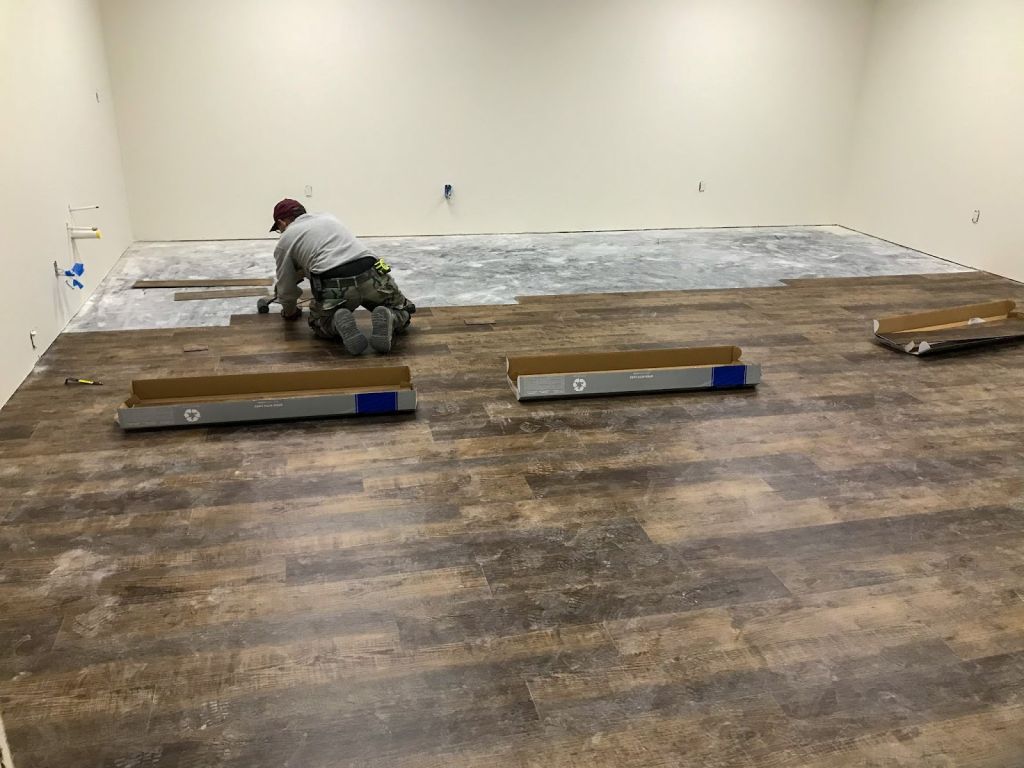
Professional artistry reduces the risk of structural problems that require frequent repairs. Poor installation often causes loose boards, cracked grout lines, or uneven tile placement. Skilled installers prevent these issues by carefully securing materials during the installation process. Stable flooring surfaces remain firm even in high-traffic commercial spaces or active households. Property owners spend less money correcting structural problems or addressing recurring maintenance issues. This reliability creates lasting financial value for residential and commercial properties.
Product Warranties Remain Protected
Many flooring manufacturers require professional installation to maintain warranty coverage. Certified installers follow approved guidelines for each flooring material. This compliance protects the manufacturer’s warranty against structural or product defects. Installers also document the work process when warranty conditions require verification. Property owners gain additional protection if materials develop unexpected issues. This warranty support adds financial security to any flooring investment.
Safer and Code-Compliant Floor Systems
Professional work practices help maintain safety standards and structural reliability in flooring projects. Improper installation can create hazards such as uneven surfaces or unstable edges. Experienced installers follow industry guidelines and local building requirements during the process. Property owners receive floors that support safety, durability, and long-term structural stability.
Specialized Tools Improve Worksite Safety
Professional installers use specialized equipment designed for safe and accurate flooring work. Precision cutting tools allow installers to shape materials without damaging surrounding surfaces. This equipment reduces the risk of errors that could weaken joints or connections. Skilled installers also maintain organized workspaces to prevent accidents. Protective gear and structured procedures safeguard workers and property occupants. This disciplined approach promotes safer work environments across residential and commercial projects.
Compliance With Local Building Standards
Construction regulations often affect flooring systems in both homes and commercial properties. Professional installers understand local building codes that govern structural safety and accessibility. This knowledge helps them select proper materials and placement methods for each project. Commercial environments often require stronger surfaces because of continuous foot traffic. Installers also consider accessibility features in entryways, corridors, and shared spaces. This compliance protects property owners from inspection issues or costly corrections later.
Moisture Control Protects Structural Layers
Moisture exposure can damage flooring materials and weaken underlying structural layers. Professional installers test moisture levels before placing floors over wood or concrete bases. This testing process identifies conditions that may cause swelling or adhesive failure. Installers add moisture barriers when installing surfaces in basements or ground-level areas. Ventilation adjustments also help protect materials in humid climates. This moisture control strategy protects both the flooring surface and the structure beneath it.
Expert Guidance on Materials and Planning
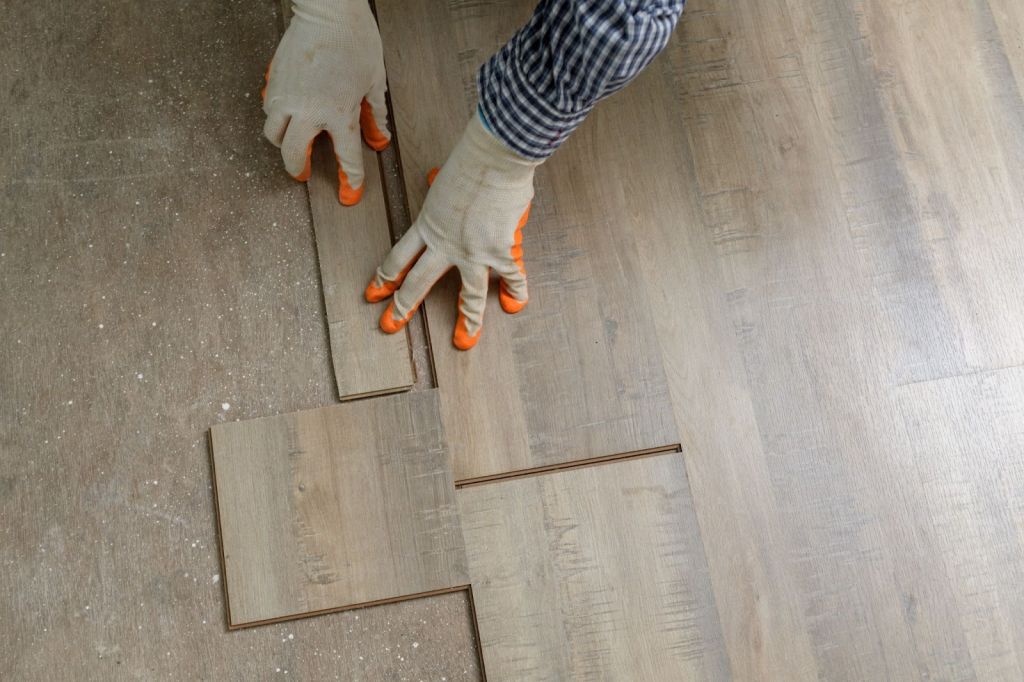
Professional expertise helps property owners select flooring materials that match usage needs and environmental conditions. Different flooring products respond differently to traffic levels, moisture, and climate variations. Experienced installers evaluate these factors before recommending materials. Property owners benefit from informed choices that support durability and long-term performance.
Choosing the Best Materials for Each Space
Selecting suitable flooring materials depends on the room’s function, traffic patterns, and environmental conditions. Professional installers assess each area before recommending flooring options. High-traffic commercial areas often benefit from durable surfaces such as porcelain tile or luxury vinyl. Residential living areas may suit hardwood or laminate that balance comfort and durability. Installers also evaluate moisture exposure in kitchens, bathrooms, and entryways. This evaluation helps property owners choose flooring that performs reliably.
Climate and Traffic Shape Material Decisions
Environmental conditions influence flooring performance more than many property owners expect. Temperature changes cause certain materials to expand or contract gradually. Professional installers consider these conditions when planning flooring layouts. They also analyze daily foot traffic across the property’s different areas. Retail stores, offices, and hospitality spaces require more durable materials. This climate-aware planning helps prevent premature wear or structural problems.
Accurate Measurements Support Efficient Projects
Precise measurements guide every stage of a professional flooring project. Installers measure rooms carefully before ordering flooring materials. This measurement accuracy prevents delays caused by material shortages. Proper planning also reduces surplus materials that increase project costs. Installers design layout patterns that maintain visual balance across the surface. This structured planning improves efficiency and final results.
Faster Project Completion for Busy Spaces
Professional project management keeps flooring upgrades organized and efficient. Homes and commercial facilities often require careful scheduling during renovation work. Skilled installers coordinate preparation, materials, and installation stages in sequence. Property owners benefit from predictable timelines and smoother project completion.
Organized Workflow Speeds Up Projects
Professional teams follow structured workflows that maintain steady project progress. Preparation tasks begin before flooring materials arrive at the site. This preparation stage includes leveling surfaces, cleaning areas, and planning layout patterns. Installers coordinate deliveries with the installation schedule. Clear task coordination allows teams to work efficiently across several rooms. This organized workflow shortens project timelines and reduces unnecessary delays.
Expertise Supports Complex Floor Designs
Some flooring layouts require advanced skill and careful pattern alignment. Decorative tile arrangements and herringbone wood designs demand precise measurement and placement. Professional installers calculate layout angles before the work begins. This calculation prevents misalignment that could disrupt the entire design. Skilled installers maintain consistent spacing throughout complex patterns. This craftsmanship keeps decorative flooring visually balanced.
Minimal Disruption to Homes and Businesses
Renovation projects often interrupt daily routines in homes or workplaces. Professional installers schedule work carefully to reduce disruptions. This scheduling strategy allows certain areas to remain accessible during construction. Commercial properties often arrange installation outside busy operating hours. Installers coordinate closely with property owners throughout each phase. This planning approach keeps household routines and business operations running smoothly.
Reliable Timelines Improve Project Planning
Clear schedules help property owners coordinate flooring work with other renovations. Professional installers provide realistic timelines before work begins. This project schedule includes preparation, installation, and finishing stages. Installers monitor progress daily to maintain steady momentum. Property owners can plan activities with confidence around these timelines. This reliability strengthens trust between installers and clients.
Trust Professional Flooring Services for Quality
Professional flooring installation services deliver the quality and reliability that property owners expect from a lasting investment. Skilled installers apply precise techniques that support durability, safety, and consistent surface performance. This professional service approach protects flooring materials while enhancing the space’s overall appearance. Property owners who rely on professional flooring installation services gain dependable results that support homes, offices, and commercial environments for many years.
Explore more practical insights on construction, remodeling, and property improvements by visiting the Behan Builders blog. Discover expert guidance designed for homeowners and business owners alike.