Kitchens now reflect how people live, work, and connect at home. Homeowners expect layouts that support daily routines without feeling crowded or outdated. Design choices have shifted toward comfort, efficiency, and personal style over rigid trends. These changes shape how remodeling projects take form in modern homes. Current kitchen remodeling trends offer clear direction for creating spaces that feel practical and welcoming.
Functional Kitchen Remodeling Trends
Functional kitchen remodeling trends focus on improving daily use through thoughtful layouts and features. Homeowners now expect kitchens to support cooking, storage, and social interaction without friction. This functional approach centers on how people move, prepare meals, and organize items. These practical updates create kitchens that feel intuitive and easier to manage.
Open Layouts With Smart Zoning
Open layouts with zoning create balance between spaciousness and structure in modern kitchens. Homeowners prefer connected spaces but still need clear areas for cooking and gathering. Designers use islands, lighting, and flooring changes to guide movement without adding walls. This zoning method helps separate tasks while keeping the kitchen visually open. Defined zones reduce clutter by assigning a purpose to each area. This layout choice improves workflow and keeps the kitchen organized throughout the day.
Custom Storage for Better Organization
Custom storage solutions improve organization by maximizing every inch of available space. Homeowners now expect cabinets that adapt to their specific storage needs. Pull-out drawers make cookware easier to reach without bending or searching. Vertical storage uses wall space for items that often crowd countertops. This storage approach keeps surfaces clear and reduces daily mess. This improvement helps homeowners maintain a clean and efficient kitchen environment.
Ergonomic Layouts for Daily Comfort
Ergonomic layouts reduce strain by aligning kitchen design with natural movement patterns. Homeowners benefit from counter heights that match their comfort level. Appliance placement also reduces the number of steps between cooking tasks. This layout design minimizes unnecessary reaching and bending during meal preparation. Wider walkways allow smoother movement in busy kitchens. This adjustment makes everyday use more comfortable and less tiring.
Modern Kitchen Design Style Trends
Modern kitchen design trends combine clean aesthetics with warmth and personality. Homeowners now prefer spaces that feel calm yet visually engaging. This design direction avoids overly complex details while still adding character. These style choices create kitchens that look current without feeling cold.
Minimalist Kitchens With Warm Finishes
Minimalist kitchens use simple forms while adding warmth through natural elements. Homeowners often choose neutral colors paired with wood textures. This design approach keeps the space clean without feeling empty. Soft lighting enhances depth and creates a more inviting atmosphere. Subtle textures prevent the design from looking flat. This balance results in a kitchen that feels both modern and comfortable.
Mixed Materials for Visual Contrast
Mixed materials create contrast by cohesively combining different surfaces. Homeowners often pair stone countertops with wood cabinetry for balance. Metal accents introduce shine without overwhelming the overall design. This material combination adds depth and visual interest across the space. Matte and glossy finishes can also work together when used carefully. This layering technique creates a refined and thoughtful kitchen design.
Smart Kitchen Technology Trends
Smart kitchen technology trends focus on convenience, efficiency, and seamless integration. Homeowners now expect appliances that simplify daily routines through automation. This technology shift supports better time management and energy use. These innovations blend into kitchen design without disrupting its visual flow.
Smart Appliances for Daily Efficiency
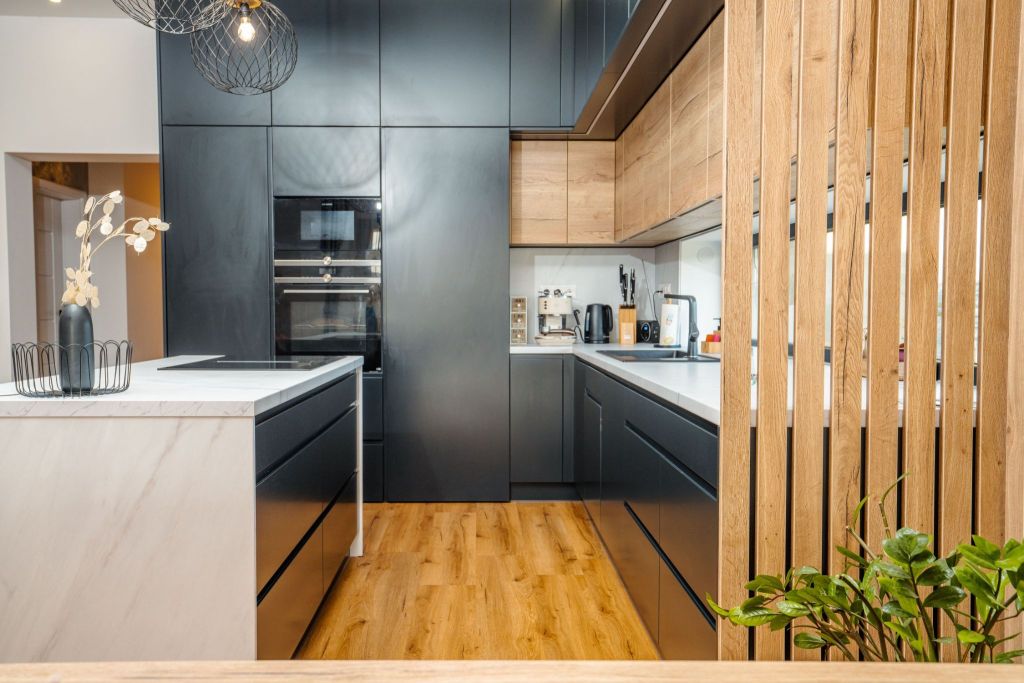
Smart appliances improve efficiency by automating common kitchen tasks. Refrigerators can track food inventory and suggest meal ideas. Ovens allow remote control, which helps manage cooking times more precisely. This appliance technology reduces guesswork and saves time during busy schedules. Touchless faucets improve hygiene while conserving water. This upgrade supports both convenience and practical daily use.
Integrated Tech With Clean Design
Integrated technology keeps kitchens functional without adding visual clutter. Homeowners now prefer hidden outlets and built-in charging stations. This design keeps counters free from unnecessary cords and devices. Voice assistants can control lighting and appliances without visible hardware. Built-in screens blend into cabinetry or walls. This integration maintains a clean and organized kitchen appearance.
Adaptive Lighting for Better Use
Adaptive lighting adjusts brightness based on different kitchen activities. Homeowners can easily switch between task and ambient lighting. Under-cabinet lights improve visibility during food preparation. This lighting setup supports both function and comfort throughout the day. Motion sensors add convenience during busy moments. This feature enhances usability while reducing energy consumption.
Sustainable Kitchen Remodeling Trends
Sustainable kitchen remodeling trends focus on reducing environmental impact while maintaining durability. Homeowners now choose materials and systems that support long-term use. This sustainability approach balances cost savings with responsible design choices. These updates create kitchens that align with modern environmental awareness.
Energy-Efficient Kitchen Upgrades
Energy-efficient upgrades reduce utility costs while maintaining strong performance. Homeowners often choose appliances with certified efficiency ratings based on industry standards like Energy Star. LED lighting lasts longer and uses less electricity than traditional options. This energy focus helps lower monthly expenses over time. Efficient systems reduce overall energy consumption in the home. This upgrade supports both savings and environmental responsibility.
Eco-Friendly Materials and Finishes
Eco-friendly materials improve sustainability by reducing harmful environmental impact. Homeowners now consider recycled or responsibly sourced materials for countertops and cabinets. Low-VOC paints improve indoor air quality by limiting chemical emissions. This material selection supports healthier living conditions for families. Durable materials reduce the need for frequent replacements. This approach combines longevity with environmentally conscious design.
Water-Saving Fixtures and Systems
Water-saving fixtures reduce usage without affecting daily performance. Modern faucets use advanced aerators to maintain a strong water flow. Dishwashers now operate with less water per cycle while cleaning effectively. This system helps manage water resources more efficiently. Sensor-based fixtures prevent unnecessary water waste. This improvement supports long-term savings and responsible use.
Kitchen Color and Feature Trends
Kitchen color and feature trends introduce personality through bold choices and focal elements. Homeowners now move beyond neutral-only designs to explore richer tones. This color shift adds depth while maintaining a cohesive look. These features help kitchens stand out without overwhelming the space.
Two-Tone Cabinets and Bold Colors
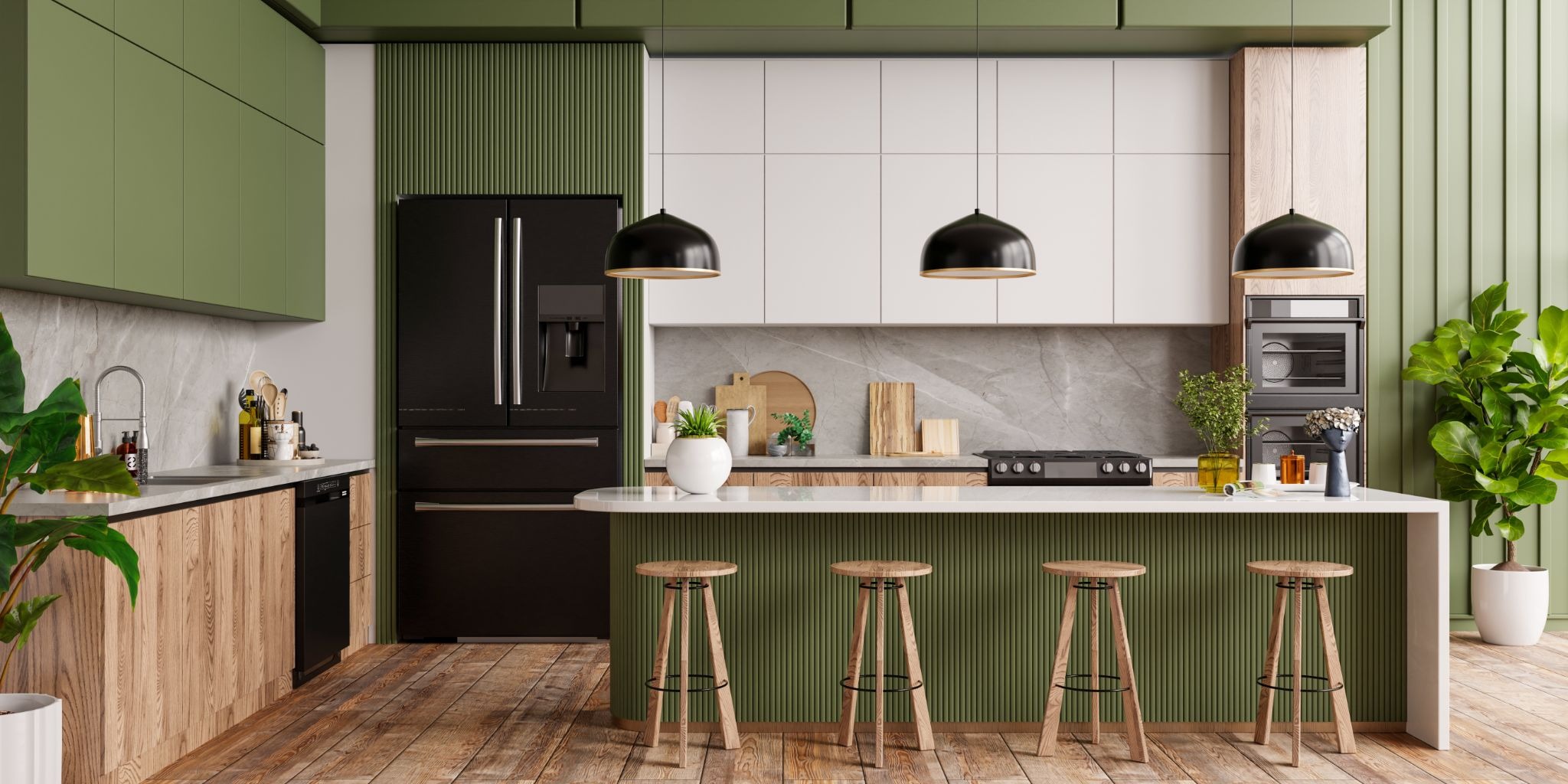
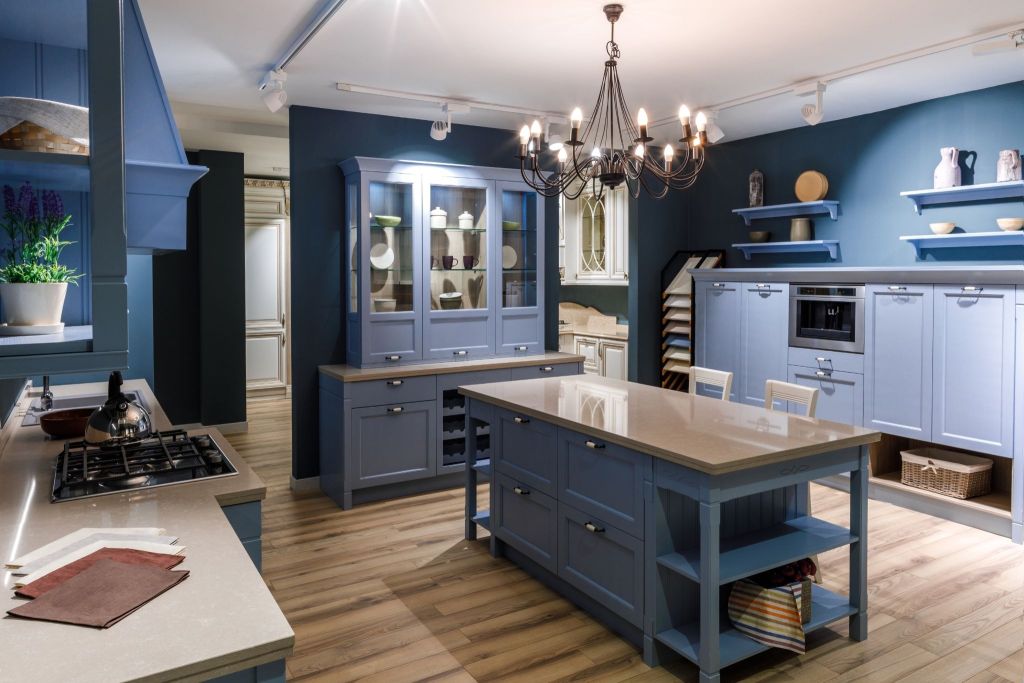
Two-tone cabinets add contrast by combining different colors within the same kitchen. Homeowners often choose darker shades for islands and lighter tones for upper cabinets. This design creates visual separation without disrupting balance. Deep blues and greens have become popular choices for adding character. This color approach allows subtle personalization. This trend helps kitchens feel unique while staying visually cohesive.
Statement Backsplashes and Counters
Statement surfaces create focal points that define the kitchen’s overall style. Homeowners now choose large slab backsplashes with fewer seams. This design creates a clean and continuous visual effect. Countertops with bold veining add texture and interest to the space. Unique tile patterns can highlight specific areas. This feature gives kitchens a distinct and memorable appearance.
Decorative Lighting as a Feature
Decorative lighting adds style while supporting practical use in the kitchen. Pendant lights above islands serve as both design elements and task lighting. Homeowners often choose fixtures that reflect their personal style. This lighting choice helps tie together different design elements. Warm tones create a welcoming environment for gatherings. This feature enhances both function and visual appeal.
Multi-Use Kitchen Space Trends
Multi-use kitchen space trends reflect how kitchens now support a range of daily activities. Homeowners expect kitchens to handle cooking, dining, and social interaction. This design shift encourages flexible layouts that adapt to changing needs. These trends create kitchens that feel more connected to everyday life.
Kitchens as Social and Work Hubs
Kitchens now serve as central spaces for gathering and daily interaction. Homeowners often include seating areas for casual meals or conversations. This layout supports family time and shared activities throughout the day. Some kitchens also include small workspaces for remote tasks. Open designs keep the space connected to nearby rooms. This setup makes the kitchen a core part of daily living.
Dedicated Zones for Daily Tasks
Dedicated zones improve efficiency by separating different kitchen functions. Beverage stations keep drinks away from main cooking areas. Prep zones allow multiple people to work without interfering with one another. This layout reduces overlap and confusion during busy times. Secondary sinks make multitasking easier. This structure helps maintain order and improve daily workflow.
Timeline Planning in Kitchen Remodeling Trends
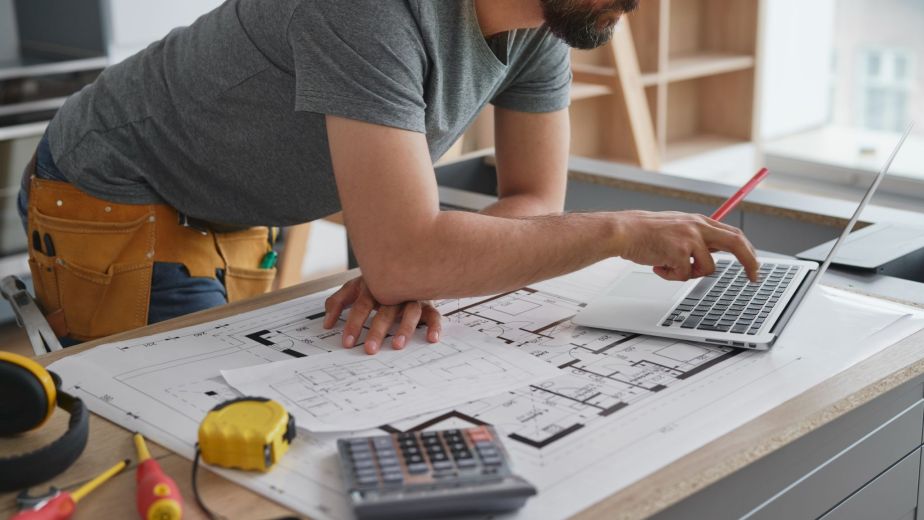
Timeline planning in kitchen remodeling trends affects how smoothly a project progresses. Many homeowners underestimate how long each phase of remodeling takes. This miscalculation can disrupt schedules and daily routines. These planning details help create a more predictable and manageable renovation process.
Pre-Construction Planning and Design Phase
The planning phase sets the foundation for a successful kitchen remodel. Homeowners need time to finalize layouts, materials, and appliance selections. This preparation helps avoid last-minute changes during construction. Designers and contractors also use this phase to align expectations. Ordering materials early prevents delays caused by supply issues. This step keeps the project moving on schedule.
Construction Phases and Project Coordination
Construction involves multiple stages that require careful coordination between teams. Demolition, installation, and finishing work must follow a clear sequence. This coordination helps prevent conflicts between contractors working on different tasks. Delays in one stage can affect the entire timeline. Inspections may pause progress until requirements are met. This process highlights the importance of structured scheduling throughout the remodel.
Remodel Your Kitchen With Current Trends
Kitchen remodeling trends continue to shape how modern homes function and feel each day. Outdated layouts can limit efficiency and reduce the overall comfort of your space. This upgrade often involves professional kitchen remodeling services that handle design, planning, and construction. These services help align your kitchen with how you cook, gather, and live today. Thoughtful remodeling choices create a space that stays practical, current, and enjoyable over time.
Find detailed guidance and fresh perspectives on kitchen remodeling trends by visiting the Behan Builders blog today.