Water issues rarely start as emergencies, yet they often end that way. A slow drip, weak water pressure, or a sluggish drain can quietly signal deeper system strain. Property owners who overlook these early warnings usually face higher costs later. Pipes, fixtures, and water heaters wear down through daily use, not dramatic events. Recognizing common plumbing system failures helps owners protect their buildings and avoid preventable damage.
Why Plumbing Repairs Matter for Owners
Plumbing repairs protect property structure, operating budgets, and tenant satisfaction. Small faults often reveal deeper wear inside pipes and fixtures. Unresolved leaks increase water costs and invite mold growth behind walls. Proactive service reduces risk while preserving long-term property value.
Cost Impact of Delayed Plumbing Repairs
Delayed plumbing repairs increase expenses through water waste and material damage. Even a steady drip can waste hundreds of gallons each month. Excess moisture weakens drywall, cabinetry, and flooring over time. Mold may develop in concealed spaces where ventilation remains limited. Industry data from the Environmental Protection Agency shows household leaks waste nearly one trillion gallons annually in the United States. That figure highlights how small plumbing issues compound into broader financial strain for property owners.
How Repairs Protect Property Value
Plumbing repairs preserve resale value and market appeal for residential and rental properties. Prospective buyers often test water pressure and inspect visible fixtures during walkthroughs. Inspectors also check for hidden leaks, corrosion, and outdated piping materials. Repair records demonstrate responsible maintenance and reduce negotiation pressure. Similarly, tenants remain more satisfied when plumbing systems function reliably. Consistent service history strengthens long-term asset performance and credibility.
Common Plumbing Repairs in Properties
Plumbing systems fail in predictable ways across residential and rental properties. Most repairs stem from repeated daily use rather than sudden accidents. Fixtures, pipes, and drainage lines gradually wear down under constant pressure and exposure. Understanding the patterns behind these breakdowns clarifies why certain plumbing repairs appear more often than others.
Leaky Faucets and Fixture Repairs
Leaky faucets are among the most common plumbing repairs in residential properties. These leaks usually result from worn internal components or mineral buildup. Dripping fixtures waste water and signal aging hardware. Prompt repairs restore efficiency and reduce unnecessary utility costs.
Common Causes of Faucet Leaks
Faucet leaks can occur when internal seals or cartridges deteriorate due to regular use. Rubber washers compress over time, reducing flexibility. Hard water minerals accumulate in valves, restricting smooth operation. Corrosion may damage metal seating surfaces and prevent tight closure. Improper installation can also loosen fittings and create persistent drips. Each of these mechanical issues disrupts the controlled flow of water through the fixture.
Repair or Replace a Faulty Fixture
Fixture repair typically involves replacing cartridges, washers, or O-rings. These components cost far less than full fixture replacement. However, repeated failures indicate more severe wear within older units. Modern fixtures often improve water efficiency and reduce the frequency of long-term repairs. Property owners should weigh cumulative repair costs against the benefits of upgrades. A licensed plumbing professional can evaluate which option offers better financial value.
Toilet Plumbing Repair Issues
Toilet plumbing repairs address internal tank failures, leaks, and flushing problems. Toilets contain moving parts that wear down with daily use. Running water inside the tank often signals a valve malfunction. Timely service prevents excessive water consumption and unexpected overflow.
Internal Toilet Component Failures
Toilet repairs frequently involve flappers, fill valves, and flush mechanisms. A worn flapper allows water to flow continuously into the bowl. Fill valves may overfill tanks, causing persistent running sounds. Chain misalignment disrupts proper flushing performance. Additionally, cracked seals at the tank base can leak onto the flooring. These mechanical failures increase water bills and pose a risk of structural damage beneath the fixture.
Warning Signs of Toilet Problems
Persistent running water indicates an internal tank imbalance. Weak flush performance suggests partial blockage or valve wear. Water pooling around the base indicates seal deterioration. Cracks in porcelain require immediate replacement for safety reasons. Recurrent clogs may indicate deeper drain-line issues. A professional assessment identifies root causes before damage spreads.
Clogged Drains and Sewer Backups
Clogged drains rank among the most frequent plumbing repairs in kitchens and bathrooms. These blockages restrict wastewater flow, leading to slow drainage. Accumulated debris narrows pipe interiors gradually. Professional cleaning restores full flow and protects the broader plumbing network.
Causes of Drain Blockages
Drain clogs typically develop from grease, soap residue, and hair buildup. Kitchen sinks collect oils that solidify inside pipes. Bathroom drains trap hair combined with soap scum. Foreign objects flushed accidentally can lodge deep within the system. Tree roots may invade underground sewer lines, causing serious obstructions. Identifying the source of the blockage guides an effective repair strategy.
Professional Drain Cleaning Methods
Professional drain cleaning uses specialized equipment to remove stubborn obstructions. Plumbers may deploy motorized augers to break apart debris. Hydro jetting uses high-pressure water to thoroughly scour the interior of pipes. Video inspection cameras accurately locate hidden blockages. This diagnostic process prevents unnecessary excavation and speeds resolution. Expert service reduces recurring drain problems and protects pipe integrity.
Pipe Leaks and Burst Pipe Repairs
Pipe leak repairs address cracks, joint failures, and corrosion inside water supply lines. These issues often develop silently within walls or ceilings. High water pressure and aging materials increase the risk of rupture. Swift intervention limits structural damage and repair costs.
Causes of Pipe Leaks and Bursts
Pipe failures result from corrosion, pressure imbalance, or temperature extremes. Metal pipes weaken internally as oxidation progresses, and excessive pressure strains joints and threaded fittings. Freezing conditions cause trapped water to expand, fracturing pipe walls. Poor installation may leave vulnerable connection points. Each of these structural weaknesses increases the likelihood of sudden rupture.
Emergency Pipe Repair Solutions
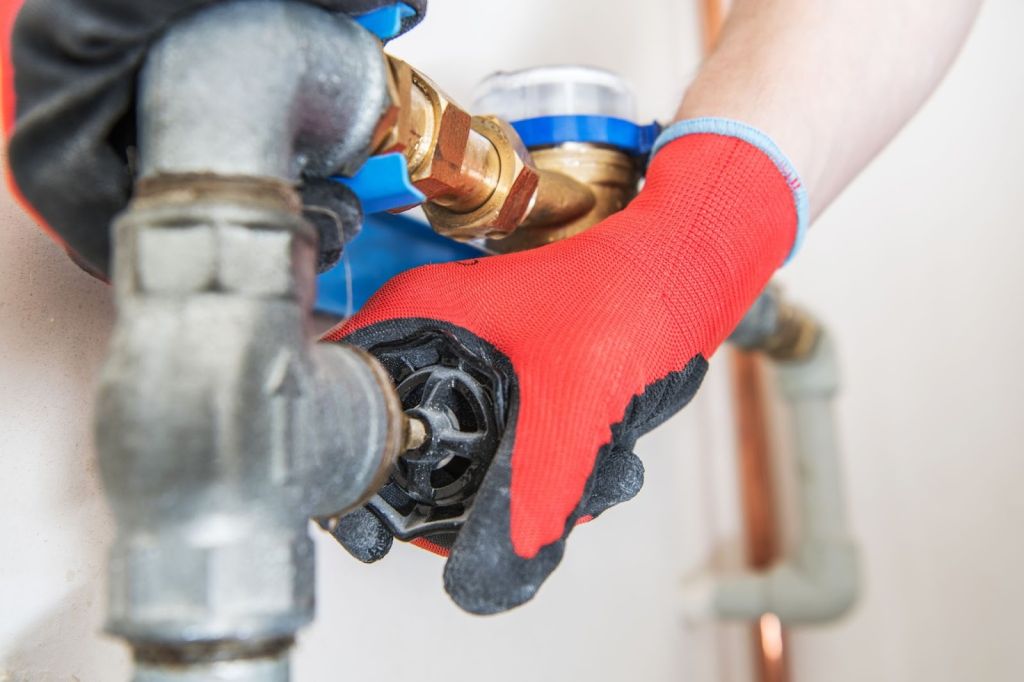
Emergency plumbing repairs begin with shutting off the main water supply. This action reduces the risk of immediate flooding and protects interior finishes. Plumbers then isolate damaged sections and replace compromised piping. Moisture inspection is used to detect hidden water intrusion behind surfaces. This repair process prevents mold development and structural decay. Timely professional response limits restoration expenses and tenant disruption.
Water Heater Repair Services
Water heater repairs correct heating failure, sediment buildup, and pressure issues. Heaters operate under constant thermal stress and mechanical wear. Performance decline often appears through an inconsistent hot water supply. Routine inspection extends equipment lifespan and maintains energy efficiency.
Signs of Water Heater Malfunction
Inconsistent water temperature signals thermostat or element problems. Rumbling noises inside the tank indicate sediment accumulation. Rust-colored water may reveal internal corrosion. Leaks near the pressure relief valve require prompt evaluation. Rising energy bills sometimes reflect declining heater efficiency. A professional inspection clarifies whether the targeted repair resolves the issue.
Repair Versus Replacement Decisions
Water heater repair makes sense when components remain structurally sound. Replacing thermostats or heating elements often restores functionality at an affordable cost. However, older units may suffer repeated breakdowns. Frequent service calls increase long-term operating costs. Modern energy-efficient models can lower utility expenses over time. A qualified plumber can compare the cost of repairs with the benefits of replacement.
How Multi-Unit Living Strains Plumbing Systems
Multi-unit and rental properties experience higher plumbing system stress than single-family homes. Increased occupant turnover and varied usage habits accelerate wear. Shared infrastructure supports multiple kitchens, bathrooms, and appliances simultaneously. This elevated demand creates distinct repair patterns that property investors should anticipate.
High Usage and Component Fatigue
Frequent use of fixtures accelerates mechanical wear in valves and seals. Toilets flush more often, and faucets operate throughout the day. This constant activity shortens replacement cycles for internal components. Even durable commercial-grade fixtures eventually experience fatigue. Routine inspection schedules help property managers identify issues before tenants report failures. Preventive maintenance stabilizes repair budgets in high-traffic buildings.
Drain Misuse and Recurring Blockages
Rental properties often face drain misuse from occupants unfamiliar with plumbing limitations. Grease, hygiene products, and foreign objects can enter pipes improperly. These materials accumulate and restrict wastewater flow. Repeated blockages increase strain on sewer lines and branch drains. Property owners may notice backups affecting multiple units at once. Clear tenant guidelines, combined with scheduled drain cleaning, reduce recurring service calls.
Shared Sewer Line Pressure Fluctuations
Multi-unit buildings rely on shared main lines for wastewater removal. Simultaneous appliance use increases pressure within these lines. Sudden surges from laundry equipment or multiple showers strain joints and connections. Over time, this repeated pressure cycling weakens pipe integrity. Cracks or joint separation may develop beneath foundations or landscaped areas. Regular sewer inspections help detect structural stress before disruptive failures occur.
Reduce Risk With Timely Plumbing Repairs
Plumbing repairs require attention before minor wear becomes structural damage. Hidden leaks, unstable pressure, and recurring clogs quietly increase operational strain. Prompt contracting services provide skilled diagnostics, code-compliant repairs, and coordinated solutions across complex systems. Property owners who partner with qualified plumbing contractors maintain system reliability, control expenses, and strengthen long-term asset performance.
Visit the Behan Builders blog for clear, experience-driven insights that help property owners plan repairs with confidence.