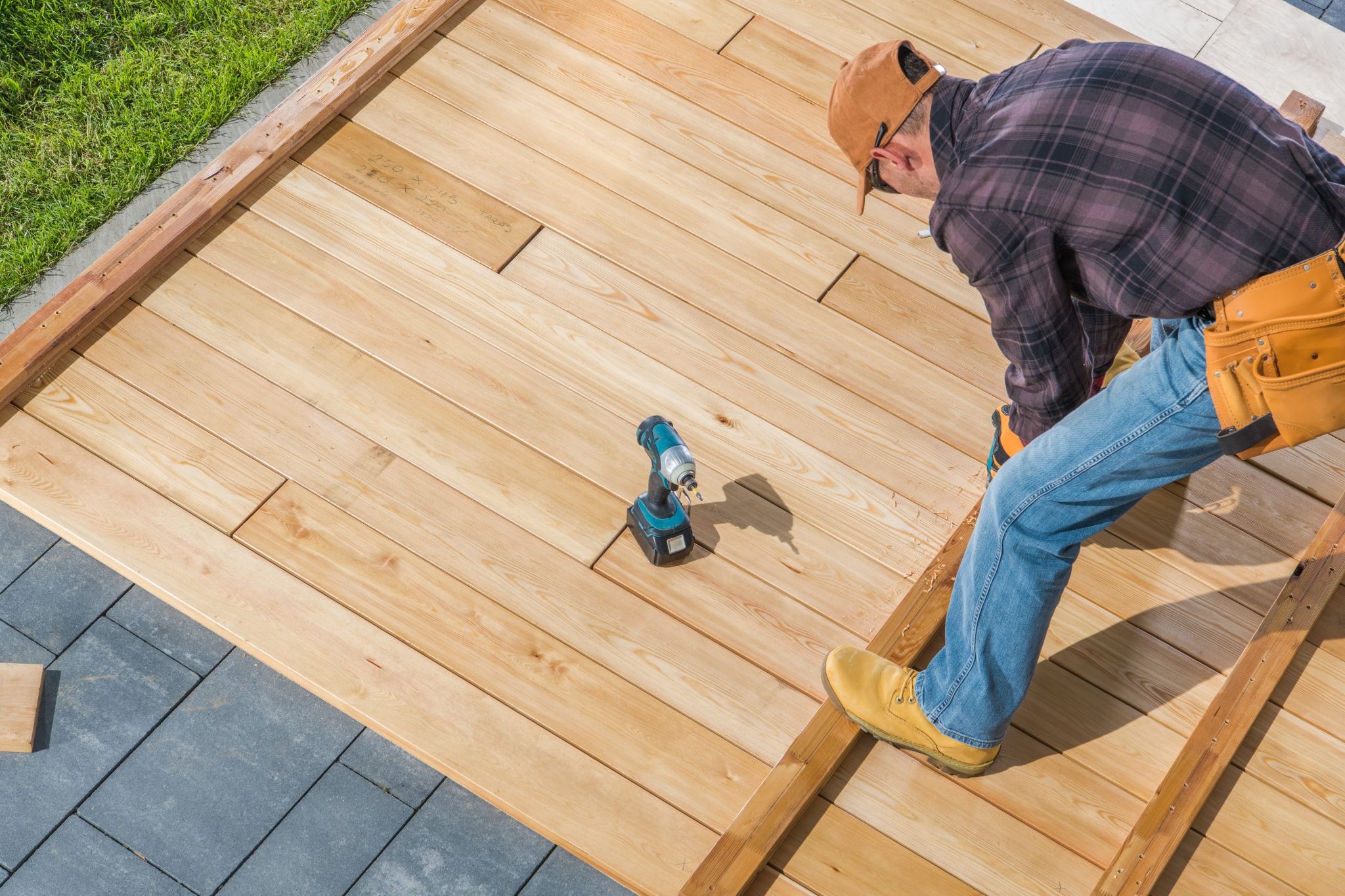
Outdoor living spaces change how people use homes and commercial properties every day. A well-built platform creates room for gatherings, dining, or quiet breaks without leaving the property. Poor planning often leads to unstable framing, costly repairs, and safety concerns that surface later. Smart design choices and proper materials improve both function and long-term value. Clear knowledge of how to build a durable outdoor deck helps you avoid common mistakes and move forward with confidence.
Understanding Deck Construction Basics
Deck construction involves more than placing boards over a frame. Each part must work together to support the weight and resist weather damage. Builders must think about structure, layout, and long-term use from the start. A clear understanding of the basics helps prevent structural problems later.
What Deck Construction Involves
Deck construction includes several connected stages that shape the final result. It begins with planning, followed by site preparation and structural layout. Builders install footings, posts, and beams to support the frame. After that, they secure joists and decking boards to form the walking surface. Railings and stairs are added to improve access and safety. Each stage must meet structural standards to avoid long-term issues.
Types of Deck Structures
Different structures serve different needs and property layouts. Attached decks connect directly to a building and extend living space outdoors. Freestanding decks stand alone and suit open areas or garden spaces. Multi-level decks create separate zones for dining or relaxation. Rooftop decks offer usable space in tight urban settings. Pool decks provide safe surfaces around water areas. The right type depends on usage, space, and structural limits.
What to Know Before Building a Deck
A successful build starts with a clear understanding of structure, materials, and long-term use. Each decision affects how the deck performs under daily wear and changing weather conditions. Overlooking key details can lead to safety issues and unnecessary expenses later. A solid grasp of these core elements leads to better planning, stronger construction, and a structure that holds up over time.
Smart Deck Design Planning
Deck design planning defines how the structure will function and fit within the property. This stage focuses on size, layout, and purpose before construction begins. Careful planning helps avoid wasted space and costly adjustments during the build. A clear layout improves both usability and visual appeal.
Defining Purpose and Budget Clearly
Deck planning starts with a clear purpose that shapes design and spending decisions. Homeowners may want a quiet retreat, while businesses may need seating for customers. Budget planning should include materials, labor, and permit costs from the beginning. This cost-planning approach prevents unexpected expenses that could disrupt progress later. A realistic budget balances quality materials with practical limits. Clear goals guide every step and keep the project aligned with its intended use.
Planning Size and Layout Carefully
Deck size must match the available space and expected usage patterns. A small layout can limit movement, while a larger design needs stronger support. Layout planning should consider furniture placement and traffic flow between areas. Smooth transitions between indoor and outdoor spaces improve convenience and comfort. Builders should also factor in access points such as doors and stairs. Proper sizing creates a balanced space that feels functional and open.
Including Practical Features Early
Deck features should be planned early to support comfort and usability. Built-in seating reduces clutter and maintains a consistent design across the space. Lighting improves visibility and safety, especially during evening use. Shade structures help reduce heat exposure during warmer days. Privacy panels create a more enclosed and comfortable environment. Each feature should fit the layout without overcrowding the structure.
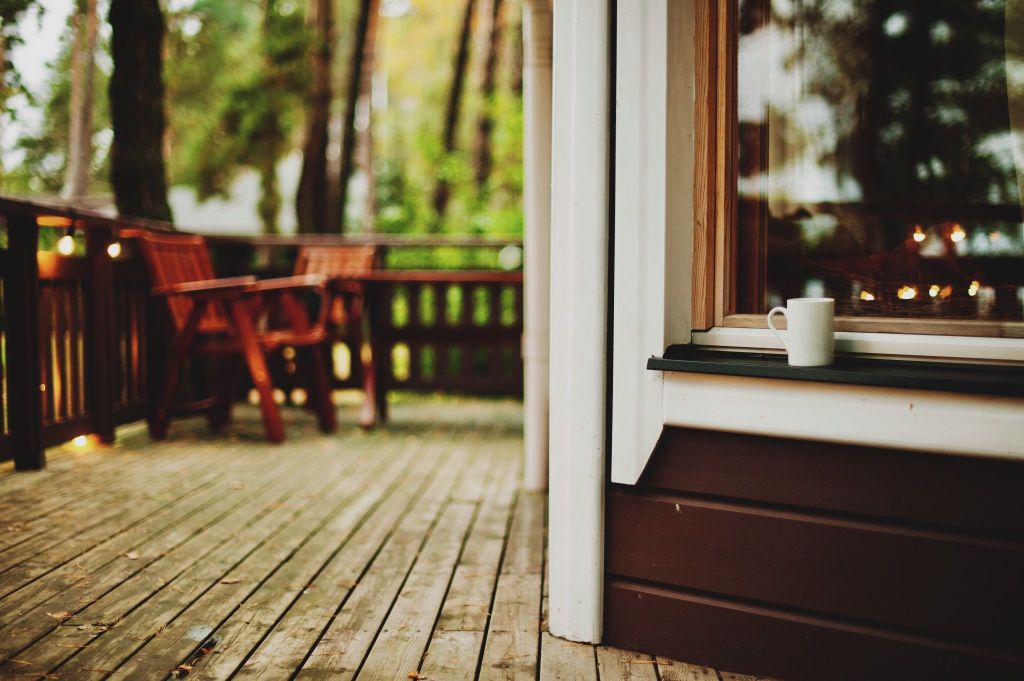
Choosing the Right Deck Materials
Deck materials determine durability, maintenance needs, and overall performance. Each material reacts differently to weather exposure, foot traffic, and moisture. Builders must weigh initial cost against lifespan and upkeep requirements. The right choice supports both function and visual consistency.
Knowing Your Wood Decking Options
Wood decking offers a natural look that blends well with most outdoor settings. Pressure-treated lumber provides a cost-effective option with basic resistance to decay. Cedar and redwood offer improved durability and better resistance to insects. This wood category requires regular sealing and staining to maintain its condition. Without maintenance, wood surfaces may crack, warp, or fade due to exposure. Proper care extends lifespan and keeps the deck visually appealing.
Understanding Composite and Alternatives
Composite decking combines wood fibers and plastic to improve strength and durability. These materials resist moisture, fading, and insect damage better than traditional wood. PVC decking offers additional protection against water, making it suitable for wet environments. Aluminum decking provides a modern look with strong resistance to wear and corrosion. This material category requires minimal maintenance compared to natural wood options. Higher upfront costs often balance out through reduced repair and maintenance expenses.
Deck Permits and Safety Rules
Deck projects must comply with building codes that protect both users and property. Local regulations set standards for load capacity, spacing, and safety features. Ignoring these rules can lead to fines or forced removal of the structure. Compliance improves safety and supports long-term reliability.
Know the Permit Requirements First
Permit requirements apply to most deck construction projects before work begins. Local authorities review design plans to confirm compliance with safety standards. This process includes checking structural elements such as footing depth and beam placement. Inspections are conducted at various stages to verify proper installation. Skipping permits can delay projects and create legal complications later. Following approved procedures keeps the project moving without interruptions.
Meet the Structural Safety Standards
Structural standards focus on strength, stability, and user safety throughout the deck. Proper joist spacing prevents sagging and supports consistent weight distribution. Strong connections between posts and beams improve overall durability. Railings must meet height and strength guidelines to prevent falls. Stair dimensions should remain consistent to reduce trip hazards. These requirements create a safer structure that performs well over time.
Avoid Common Code Violations
Code violations often result from overlooked details during construction. Shallow footings can weaken the structure and cause it to shift over time. Incorrect fasteners may loosen boards and reduce stability. Missing guardrails increase the risk of accidents, especially on elevated decks. Poor drainage can lead to water damage and structural decay. Careful attention to each detail helps prevent these issues and protects your investment.
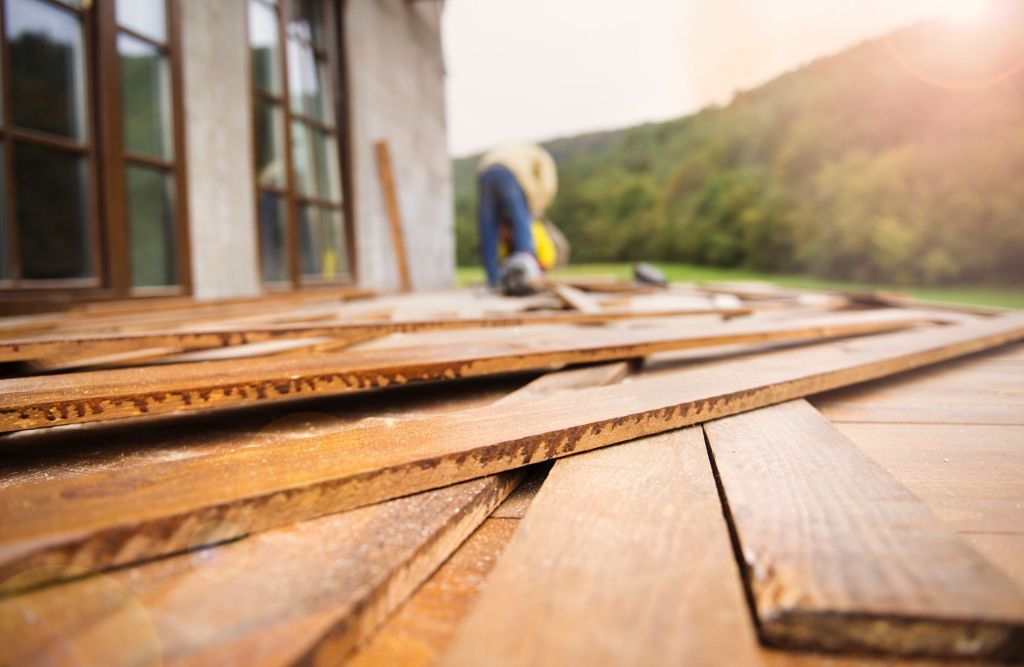
Deciding Between Pros or DIY Builds
Choosing between hiring professionals or handling the build yourself depends on skill level, time, and project complexity. Each option offers different advantages based on available resources and expected results. Larger or more complex designs often require expert input to meet safety standards. Smaller projects may suit individuals with experience and proper tools.
Know When to Hire Deck Builders
Hiring professional builders provides the technical knowledge needed for safe, accurate construction. These experts understand structural requirements and follow local building codes carefully. This professional approach reduces mistakes that may lead to costly repairs later. Contractors also complete projects faster due to organized workflows and skilled labor. Many professionals provide warranties that cover quality and materials. Choosing experienced builders improves reliability and long-term performance.
Understand DIY Build Limitations
DIY deck building appeals to those who want to control costs and manage the process directly. This approach requires knowledge of tools, materials, and structural design basics. Mistakes during installation can create safety risks and lead to expensive fixes. Time commitment often increases when unexpected challenges appear during the build. Learning each step requires patience and attention to detail. DIY projects work best for simple designs with a manageable scope.
The Deck Building Process
Building a deck follows a step-by-step process that supports strength and long-term stability. Each stage connects to the next, forming a complete and reliable structure. Skipping any step can weaken the frame and lead to future repairs. A clear process improves efficiency and helps maintain consistent quality.
Preparing the Site and Setting the Foundation
Site preparation begins by clearing the area and leveling the ground for stability. Builders mark the layout to guide the accurate placement of footings and posts. Concrete footings anchor the structure and effectively support vertical loads. Soil conditions affect the required depth and spacing of these supports. Proper drainage helps prevent water buildup that may weaken the base. A stable foundation supports the entire structure over time.
Building Frame and Structural Support
Framing creates the structural system that holds the deck together securely. Builders install beams and joists to distribute weight evenly across the surface. Accurate spacing prevents sagging and maintains balance during regular use. Metal connectors strengthen joints and improve durability under pressure. This framing system must remain level to support decking boards correctly. Precision at this stage affects the overall stability of the structure.
Installing Decking and Final Details
Decking installation forms the visible surface used for daily activities. Builders secure boards with screws or hidden fasteners to achieve a clean finish. Railings and stairs are added to improve safety and accessibility. Protective finishes help shield materials from moisture and sunlight exposure. Final inspections confirm that all elements meet safety and quality standards. The completed structure becomes ready for regular use.
Deck Maintenance and Repair Tips
Deck maintenance protects the structure from wear and extends its usable life. Regular care prevents damage that may require costly repairs later. Simple routines help maintain both appearance and structural integrity. Consistent upkeep supports long-term performance.
Routine Deck Care Practices
Routine maintenance includes cleaning, sealing, and regular inspections of the deck. Cleaning removes dirt and prevents mold or mildew from building up on surfaces. This cleaning process improves safety by reducing slippery areas during wet conditions. Wood decks require sealing to protect against moisture and sun exposure. Seasonal inspections help identify loose boards or early signs of damage. Consistent care keeps the deck safe and visually appealing.
Repairs and Long-Term Upgrades
Deck repairs address wear that develops over time due to use and exposure. Loose boards should be secured quickly to prevent accidents. Damaged sections may need to be replaced to maintain structural strength. Upgrading railings or features can improve both safety and design appeal. This upgrade process allows property owners to modernize the space without full reconstruction. Ongoing improvements help extend the deck’s lifespan and usability.
Create a Functional Deck Space
A functional outdoor deck supports daily use while improving comfort and property value. Thoughtful planning and the right materials help avoid delays and costly fixes later. Skilled artistry keeps the structure stable under regular wear and changing weather. Start with clear priorities and informed choices to build a deck that serves your space for years to come.
Find smart, experience-driven advice on the Behan Builders blog and start shaping a deck that fits your space and needs.